


And firstly – which word should we use? Birding, or birdwatching? Or twitching?
What’s in a name?
Generally these words refer to different levels of involvement. A birdwatcher might be the more casual sort, who owns binoculars, sure, but isn’t a committed, signed up member of their local wildlife group.
A birder will take it more seriously, perhaps with birdwatching more built into their daily life. Meanwhile a twitcher has nothing to do with streaming, but is someone who might travel cross-country specifically to see a certain type of bird.
But all of these people find joy, contentment and excitement in the identification, observation and recording of birds.
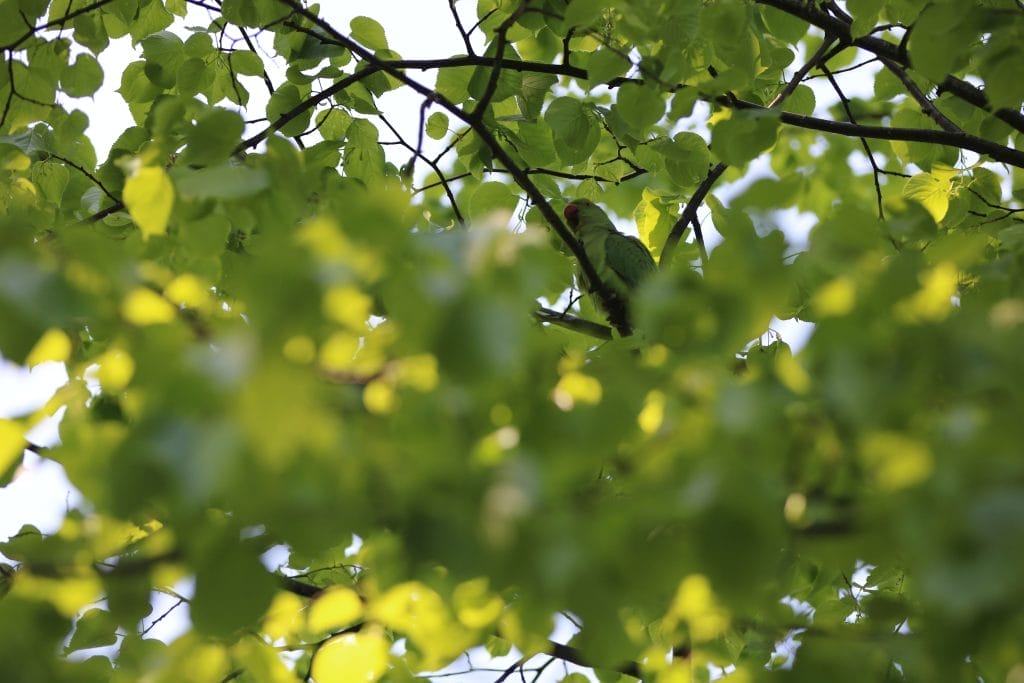
Green parakeet amongst the leaves in the Horniman Gardens
Where to birdwatch
You don’t have to stray too far to see some brilliant birds that are mainstays of British wildlife. Depending on your garden situation, you might be able to birdwatch from the comfort of your home, just by looking out the window. Having a bird bath or bird feeder might even attract birds to you.
If you want to get outdoors though, your local park or nature reserve will no doubt be a haven for all sorts of birds.
If you live nearby, our Gardens are a great spot for all kinds of birds – parakeets, robins, blackbirds and thrushes.
The Nature Trail in particular is a good location, as it’s carefully managed to encourage not only lots of varieties of birds but to be an ecological environment that they can thrive in.
In wider London there are not only lots of parks – Greenwich, Victoria, Regents, Battersea – but also cemeteries like West Norwood or Nunhead, as well as Wetlands, or even the banks of the Thames.
These alternative green spaces may even have fewer people, giving you a greater chance of spotting some winged friends.
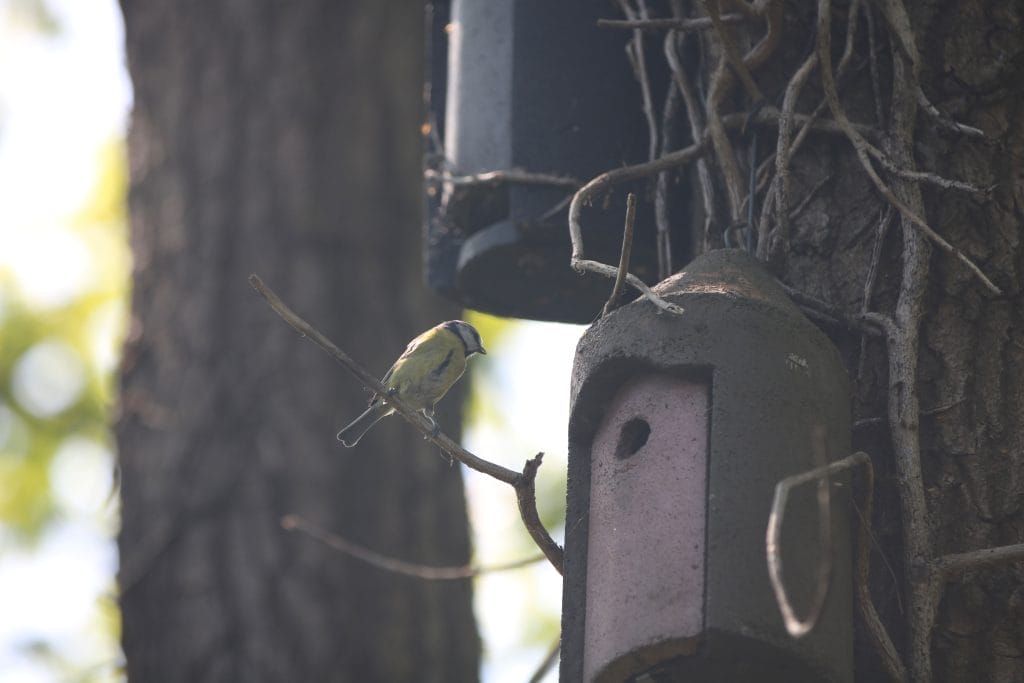
Bird boxes or feeders are great ways to attract birds to your Garden
How to birdwatch
The main thing when birdwatching is to be quiet, and still. If you’re crashing about in the grass and making lots of noise, birds aren’t going to want to come near you. Plus, the more noise you are making, the less noise you’ll be able to hear from birds. Birdsong is not only a great indicator that they’re nearby but can also help you to identify the species.
Binoculars might help you get a closer look and successfully ID something, but you might just want to fully experience the landscape.
If you are trying to identify a bird, the Merlin app can help. Just upload an image of the bird and it will tell you what you’re looking at. Hopefully the more you do this, the less you’ll need to rely on your phone for answers as you learn more about the different species!
When to birdwatch?
The dawn chorus is often considered the best time to get out amongst the birds, and whilst it’s a time when birds are very active it is, as the name suggests, a chorus. Birds spend this time in high branches, singing to each other, meaning it’s not necessarily a good time to see them.
Difference species of bird can be seen at all times of the day, but late afternoon is another golden opportunity. This is the time of day when their foraging is done, they’ve stayed out of any midday heat and now are settling down for the evening.
What birds could you see?
Spring
- Herring Gull
- Puffin
- Cormorant
- Lapwing
- Linnet
- Swift
- House Martin
- Swallow
- Osprey
- Cuckoo
Summer
- Kestrel
- Red Kite
- Sparrowhawk
- Buzzard
- White-tailed Eagle
- Peregrine
- Turtledove
- Lapwing
- House Sparrow
- Tree Sparrow
- Yellowhammer
- Woodpigeon
- Blackbird
Autumn
- Tawny and barn owls
- Pink-footed goose
- Redwing
- Oystercatcher
- Bearded tit
- Lesser Spotted Woodpecker
- Treecreeper
Winter
- Grebe
- Moorhen
- Coot
- Whooper swan
- Great Spotted Woodpecker
- Song Thrush
- Waxwing
- Goldcrest
- Starling
- Hawfinch
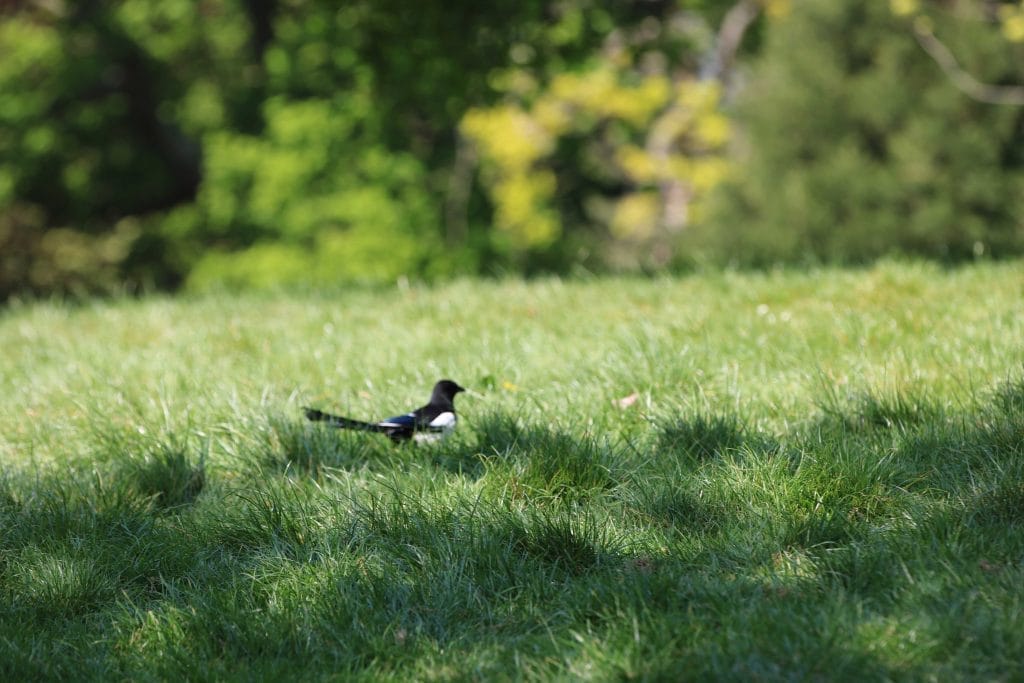
Log what birds you see for the Big Garden Birdwatch
Big Garden Birdwatch
Whatever birds you spot in your garden, be sure to register for the Big Garden Birdwatch and tell them the results.
It takes place between 23 and 25 January in 2026 and in 2025 a whopping 9.1 million birds were counted.
In the last 60 years we’ve lost 38 million birds from our skies and the RSPB want to keep tracking these numbers so that we know what we’re up against.