What is Atlantis?
You’ve probably heard of Atlantis, even if you don’t know the story. Atlantis was first conceived as a fictional utopia by Greek philosopher Plato in his dialogues of Timaeus and Critias.
These works are often called dialogues because of the ancient Greek tradition of oration i.e. storytelling rather than written stories. However, the story of Atlantis has also been translated and displayed in various writings.
These works put forward reasoning on the possible nature of the physical world and human beings at a time when science had not yet revealed a lot of what we now know.
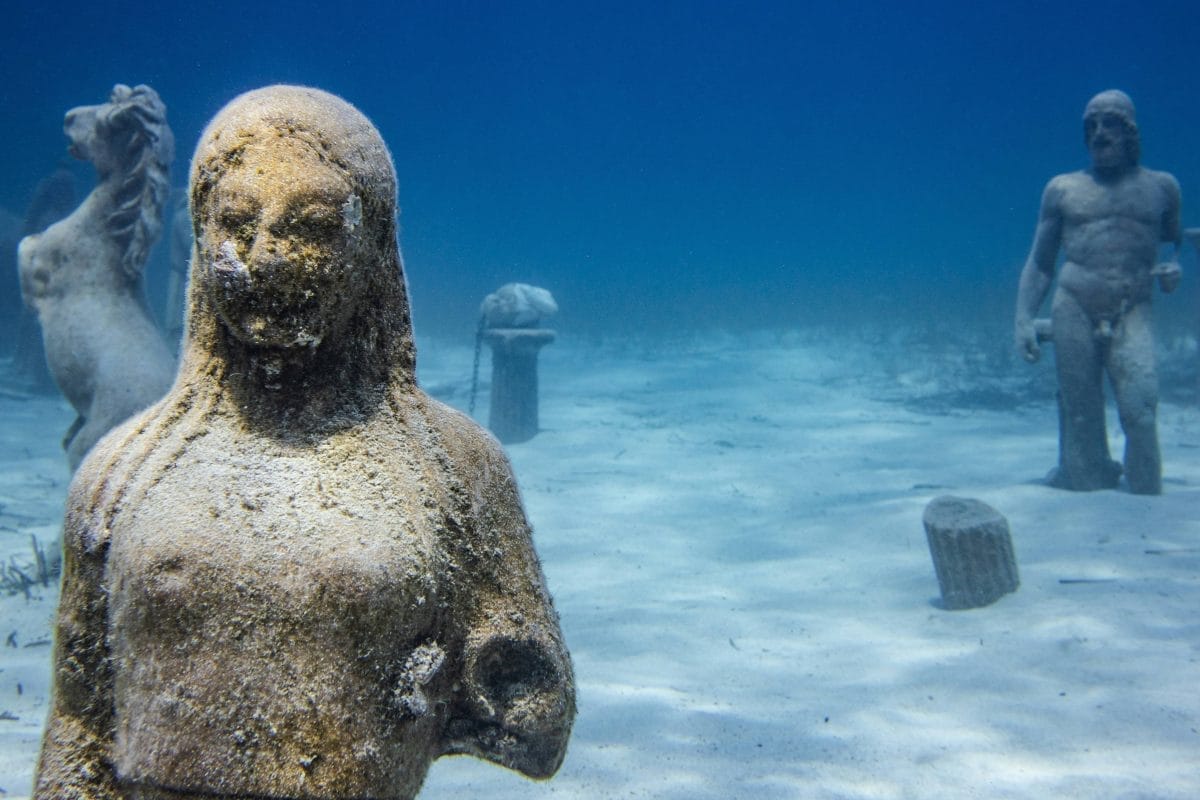
In the story, Atlantis is as a progressive underwater empire that the gods sank into the Atlantic Ocean as punishment for its wrongdoings.
In Greek mythology, this fatal flaw is called the hubris. Although it’s a fictional tale, the legend of Atlantis has captivated imaginations for centuries.

What is the legend of Atlantis?
In Plato’s story, the world is divided and shared between the gods, who establish cities in their newfound territories. Poseidon, the God of the seas, storms and earthquakes, creates Atlantis after sleeping with a mortal woman and having ten demigod sons.
Poseidon declared his demigod sons as heirs to Atlantis, an incredibly rich and advanced civilisation. Yet, with their wealth came conceit. The lineage of Poseidon became more corrupt, and soon his sons began to conquer foreign civilisations in their lust for power.
Being a powerful and rich island, Atlantis conquered most of what we think of as Europe, Northern Africa and Asia with ease and severe violence. Then they encounter the Athens, which is considered pure and virtuous. Poseidon is angry with his demigod sons and summoned a huge natural disaster, commanding the seas and the storms. The virtue of Athens combined with the might of Poseidon defeated Atlantis, and their empire collapsed into rubble.
The tale suggested the ruin was so vast, ships could no longer sail over it!
Athens, considered to be virtuous and glorious, defeats Atlantis in the story because it is not corrupted by the same lust for advancement. The tale warns against the dangers of power and corruption as well as stressing the importance of goodness.

Where did the mythical Atlantis go?
In Plato’s fable, Atlantis was swallowed by the ocean in a single dreadful day and night. You can only imagine what it would take to plummet such a powerful nation over one evening.
Was Atlantis real?
It is highly unlikely that Atlantis existed as Plato described. However, there are clues to suggest that Plato based the fictional events of Atlantis on historical events.
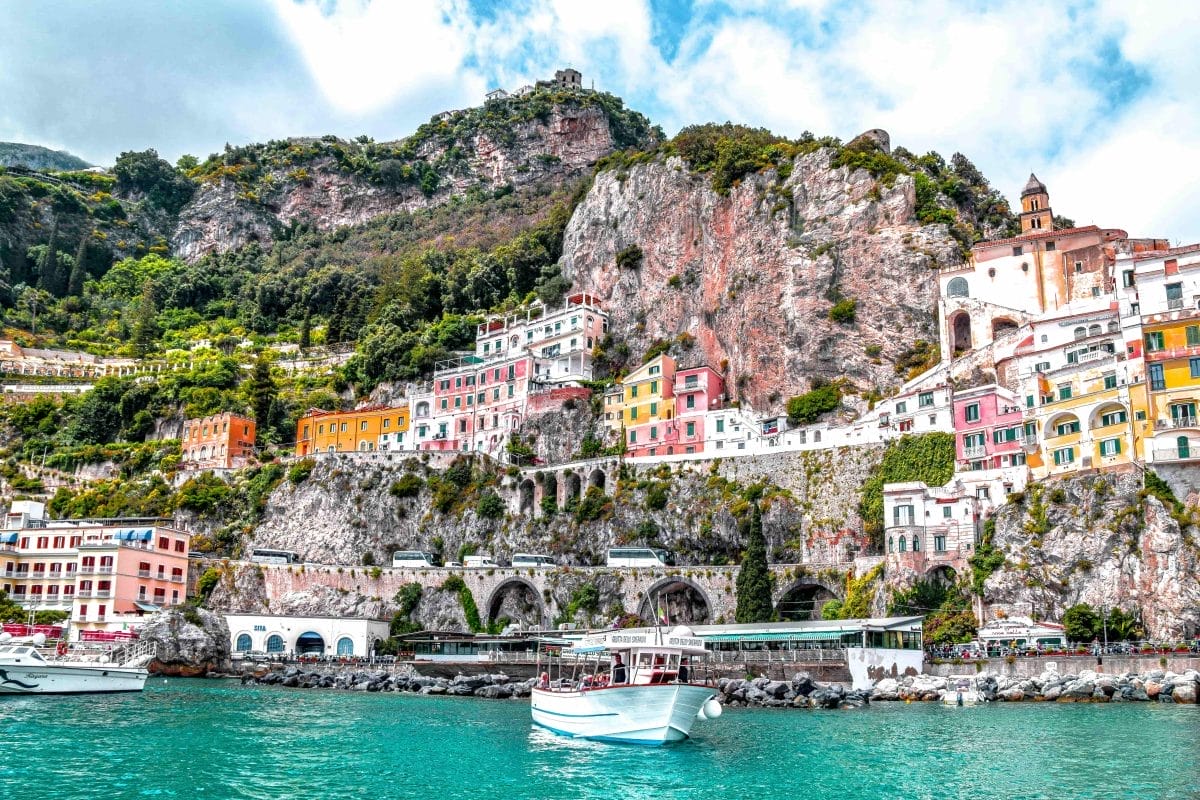
Around 4,000 years ago, the large volcanic eruption of Thera hit the island of Santorini near Greece.
This natural disaster devastated the highly advanced society of Minoans that lived on Santorini, who disappeared during the collapse of the Bronze Age. Perhaps this event inspired Plato in his tale of Atlantis.
Another theory is that Plato’s works were inspired by The Sea Peoples, who were a group of tribes who attacked the eastern Mediterranean during the Bronze Age. Some have suggested a link between this and the story of Atlantis.
Yet, after centuries of research and theorisation, there is no real evidence that Atlantis truly existed. The timelines in Plato’s works also do not align with known historical events.
Instead, Plato’s Atlantis was a symbolic story of an advanced but ultimately flawed utopia, highlighting the dangers of autocracy and corruption in the Greek Empire.
Where was Atlantis?
According to the legend, Atlantis was an island in the Atlantic. The story describes the island situated beyond the ‘Pillars of Hercules’, which is what we’d now call the Strait of Gibraltar.
This had led to theories suggesting Plato had based Atlantis on picturesque islands such as Madeira, Azores or the Canary Islands. However, the location is much debated.
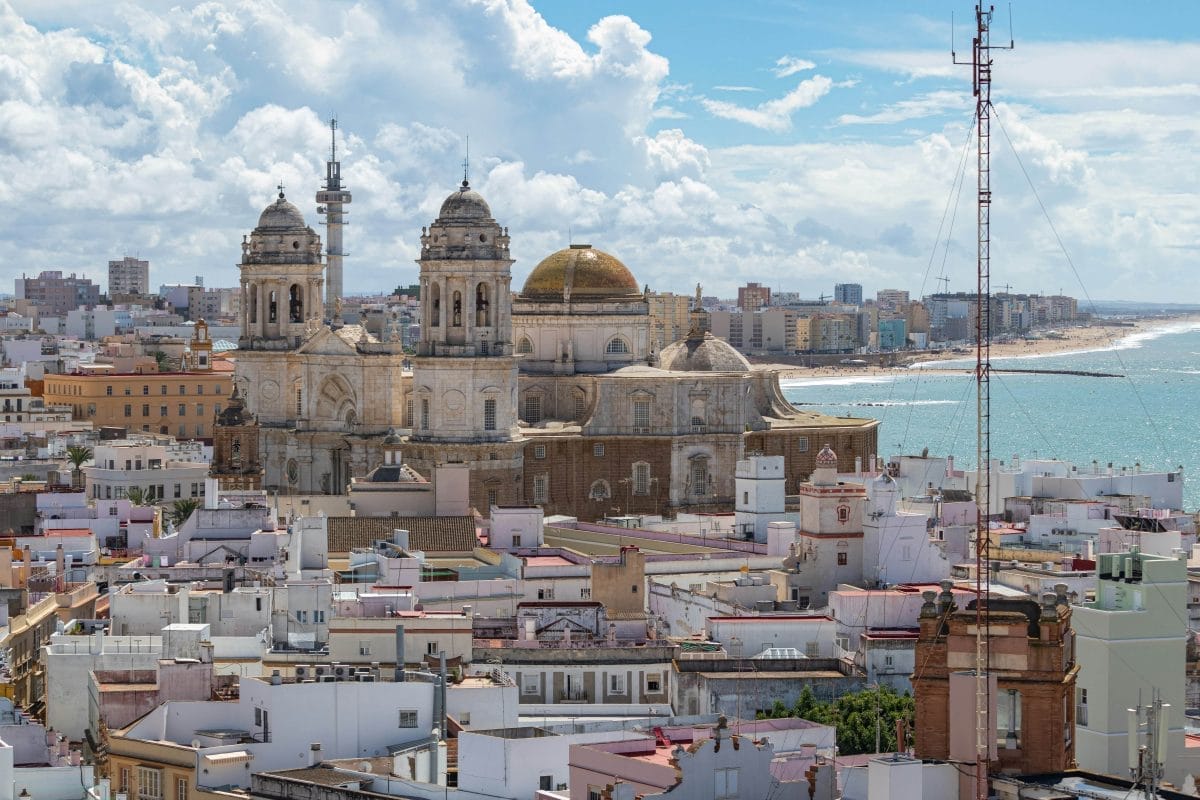
Another popular theory is that Atlantis is located near Cadiz, Spain. Some theorists suggest that the legendary city might be found submerged near the coast. This is still unproven, but there have been several investigations using sonar scans that have revealed potential underwater structures near Cadiz that have since been aligned with the descriptions of Atlantis.