


That slimy kelp that you find on British shores is more important than you might think.
What is kelp?
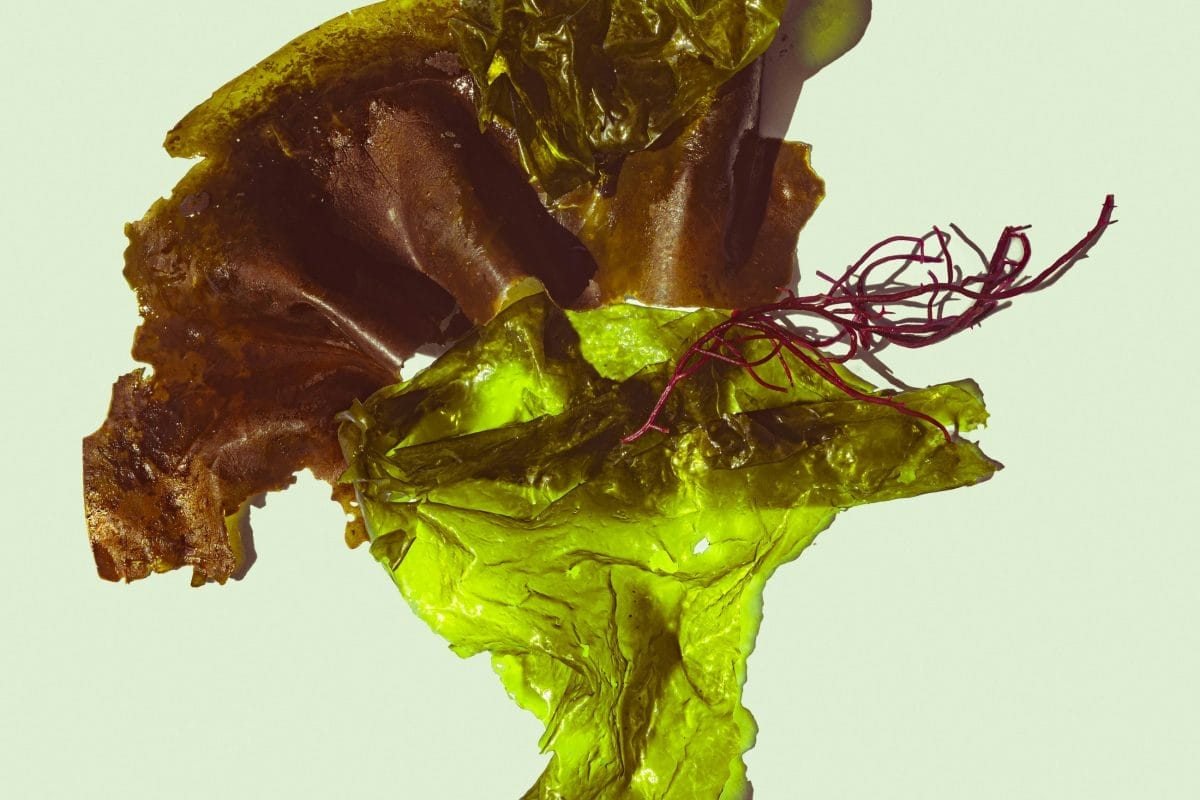
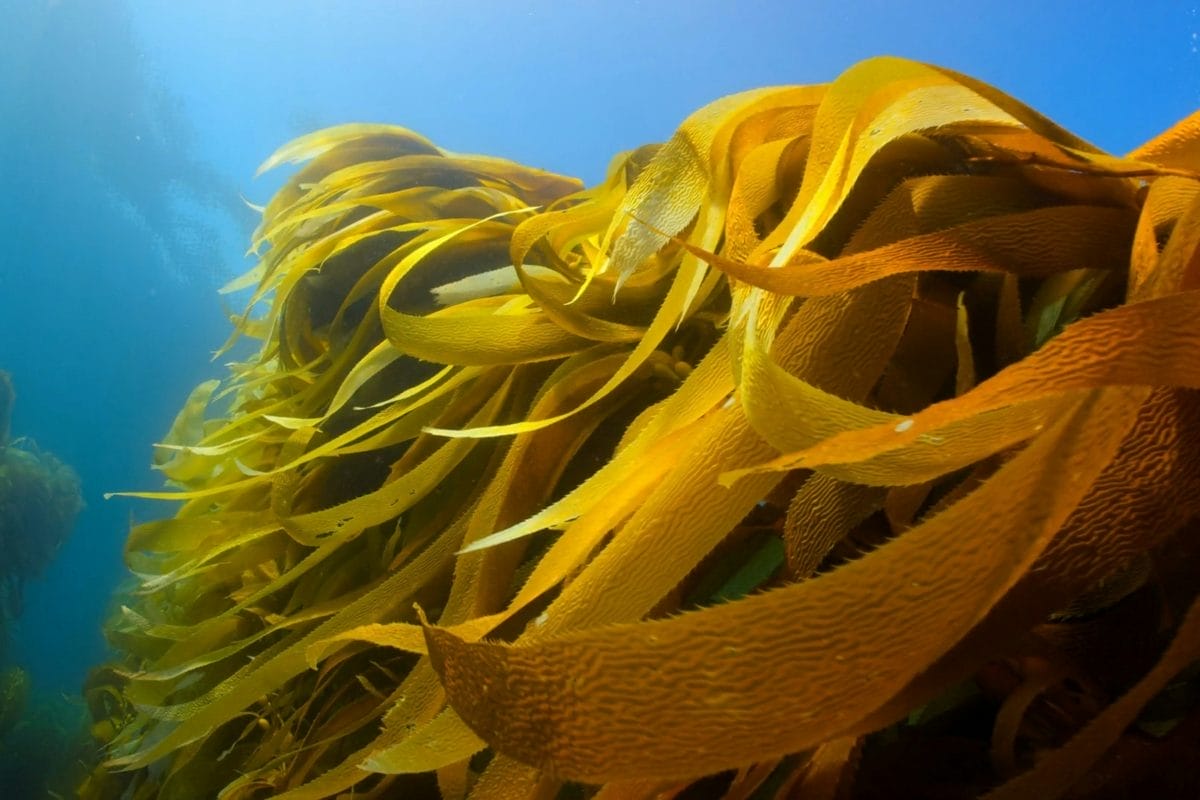
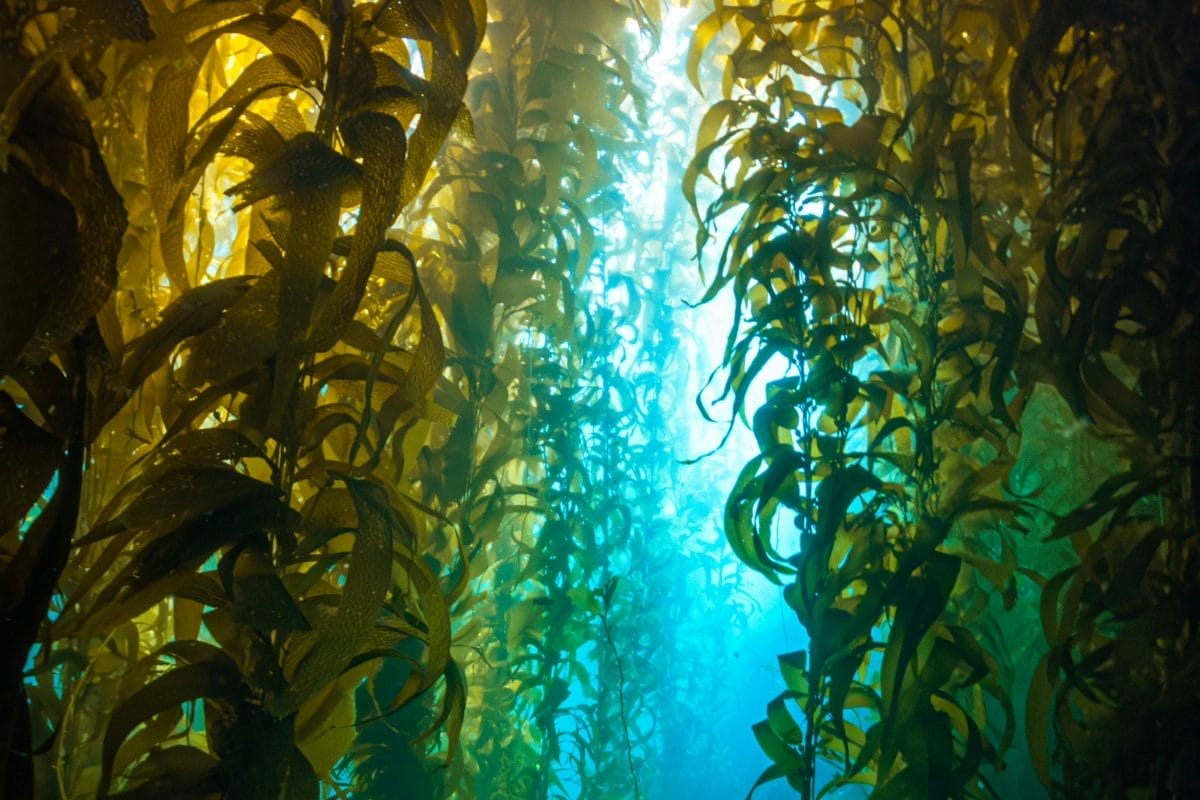
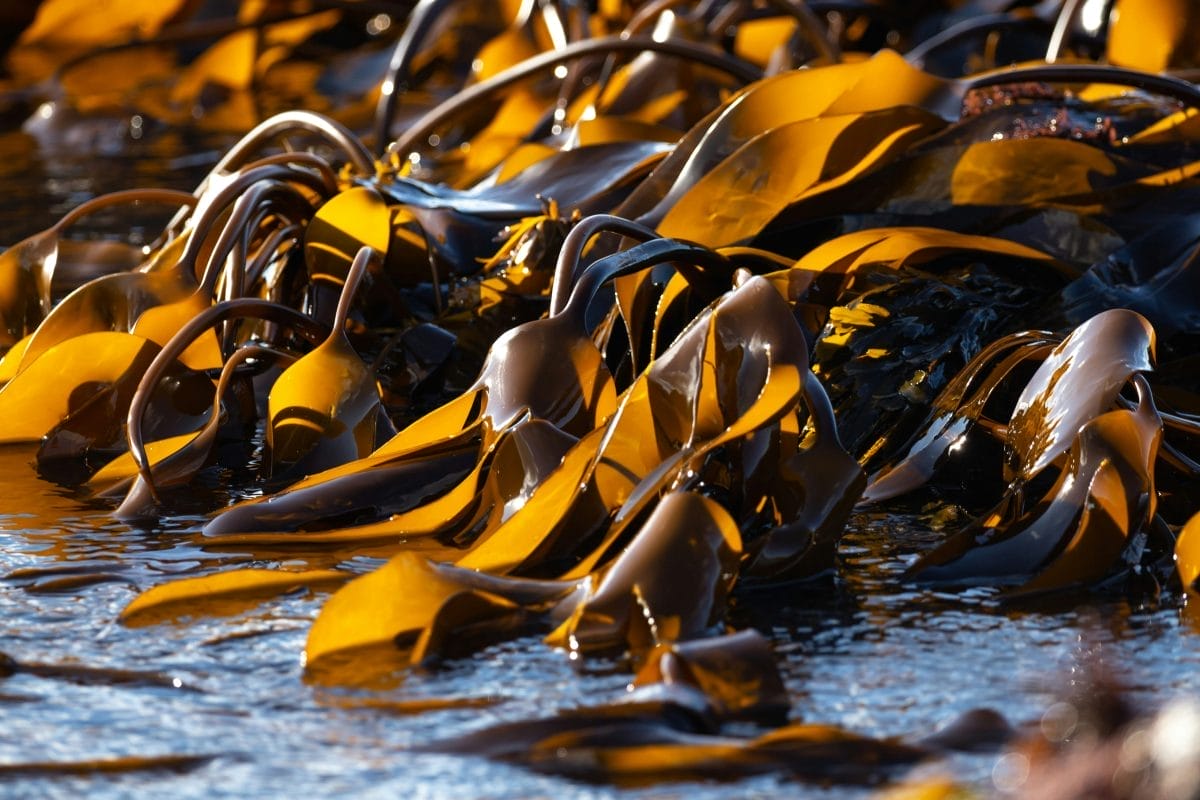
Kelp is a brown seaweed or algae that grows naturally in the ocean. It grows on stalks that are often very close together, and it can sometimes grow into extremely dense kelp forests or kelp beds.
There are around 31 known species of kelp, and they are regarded as one of the most valuable and dynamic ecosystems on the planet.
Is kelp the same as seaweed?
Kelp is a type of seaweed.
Seaweed is a common name for macro-algae (big, multicellular algae). Kelp are a type of brown macro-algae in the group Laminariales.
Is kelp a plant?
Kelp is not a plant, but rather an algae.
Algae are a group of organisms that lack the typical structures of roots, stems and leaves that we commonly associate with plants.
However, they do photosynthesise, gathering sunlight and nutrients from the water. They are still considered different from plants though, as their evolutionary path is very different to plants on land.
How does kelp reproduce?
The kelp reproductive cycle is complicated and fascinating.
It typically begins with the mature kelp releasing sori. These are dense patches of microscopic spores that essentially act as their seeds.
These spores are then released and drift onto surfaces like rocks under the water. Then, they germinate and split into male and female gametophytes, producing sperm and eggs respectively. From here, the sperm swims towards the egg. The fertilised egg develops and then grows into the kelp plant that we are familiar with.
This is a completely unique reproductive cycle, as it uses single-cell spores rather than multi-cellular seeds in the way that plants do. It also involves two distinct alternations of generations, both the spores on kelp, and the fertilisation of the gametophytes.
Where is kelp found?
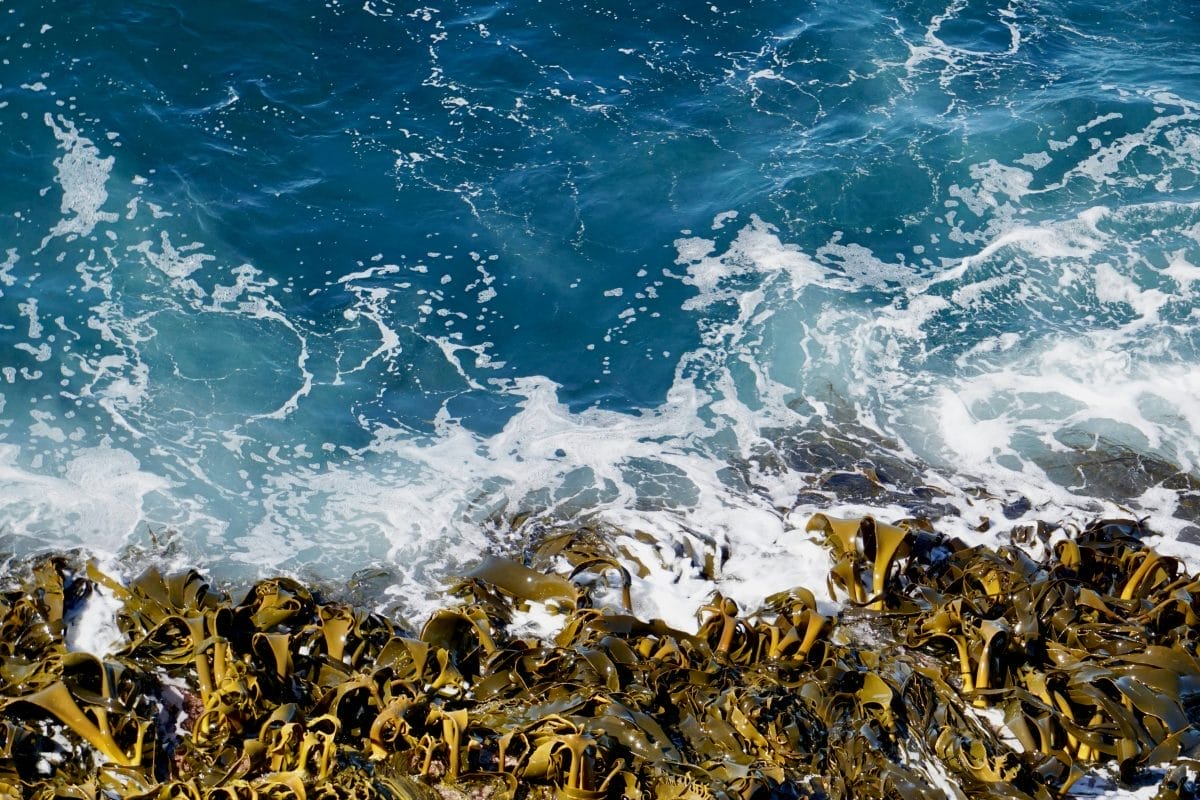
You will typically find kelp in cool, shallow coastal waters around the world. It is especially common in UK shores to the West and South, and you may have encountered it swimming at the beach.
Chile is the world’s leading producer of kelp, with large natural reserves. China, Norway, Scotland, USA and Australia also have prominent kelp industries.
Why is kelp important?
Kelp is extremely important to the ocean’s ecosystem for a variety of reasons.
Kelp forests are hotbeds of biodiversity and perform several functions in marine ecosystems. These include but are not limited to:
- habitat and shelter from predators
- nursery ground for young fish
- food and nutrients for a variety of natural life.
Without kelp, a lot of marine life would struggle to adapt, with a potentially catastrophic domino effect having a huge impact on ocean ecosystems.
Kelp also has a direct impact on our coastlines. It acts as a natural breakwater, disrupting wave energy protecting our shorelines from coastal erosion.
Like forests on land, kelp forests absorb large quantities of carbon dioxide and as an algae, it supplies a significant amount of oxygen.
Kelp is also considered a superfood for human consumption, containing high concentrations of fibre, omega-3s, vitamins and minerals.
How is kelp harvested?
There are both sustainable and non-sustainable ways of harvesting kelp.
Large-scale mechanical methods of harvesting kelp, such as dredging and trawling, are unsustainable. This method sees entire plants and forests ripped apart. This causes lasting damage to marine life, disrupting food chains, and destroying nursery grounds for fish and other sea life.
There are however more sustainable and mindful practices of harvesting kelp. For example, hand-cutting the kelp selectively at 5-20cm allows for faster regeneration. Rotating the patches that are cut after active growth seasons will allow kelp forests to reproduce.
Kelp grows quickly, so working with the ecosystem means kelp can be farmed ethically and sustainably.
How does water clarity affect kelp?
Clear water is crucial for kelp to thrive.
Kelp uses photosynthesis for energy, and clear water allows much better access to natural sunlight. Clarity in the water allows for deep and healthy kelp forests, while murky water absorbs the light and reduces growth.
Is kelp under threat?
Unfortunately, yes, kelp forests are under significant global threat.
Over-harvesting poses challenges to kelp forests, but it is not the primary threat to kelp. Instead, climate change and pollution are the biggest challenges to kelp abundance, contributing to a decline of 1.8% annually. Over the past 50 years, somewhere between 40% – 60% of kelp forests have been significantly altered or lost completely.
Rising sea temperatures and acidification of the ocean, prompted by climate change and pollution, have exceeded kelps thermal tolerances in some instances, most notably in parts of Australia and Portugal.
Runoff from industrial and agricultural sites see metals, sediments and sewage enter coastal waters. These toxins are harmful to kelp, reducing their reproductive success and population persistence.
These extreme changes in the environment work in tandem with human consumption such as over-fishing of the marine life that dwells amongst kelp, and over-harvesting of kelp itself. This all creates a difficult environment for kelp to thrive.
How can we help kelp?
Some organisations are addressing the threat to kelp, including here in the UK.
In Sussex, there is a concerted collaborative effort to help kelp. The Sussex Kelp Recovery Project has mobilised the Sussex Wildlife Trust, Blue Marine, universities, and local councils, all working together with a focus on restoring Sussex’s kelp forests. The Hastings Kelp Project also grow kelp in labs for out-planting, actively adding to restoration efforts.
Project Coral
At the Horniman, we are making similar efforts to protect coral, another crucial part of marine life that is increasingly threatened.
Find out more about Project Coral.