


Royal Parks
London’s love affair with parks can be traced back to its royal roots. Some of the large and grandiose parks of London, such as Richmond Park and Kensington Gardens, initially existed as playgrounds of the royals. These vast green spaces would have been used for leisure activities like hunting and riding horses.
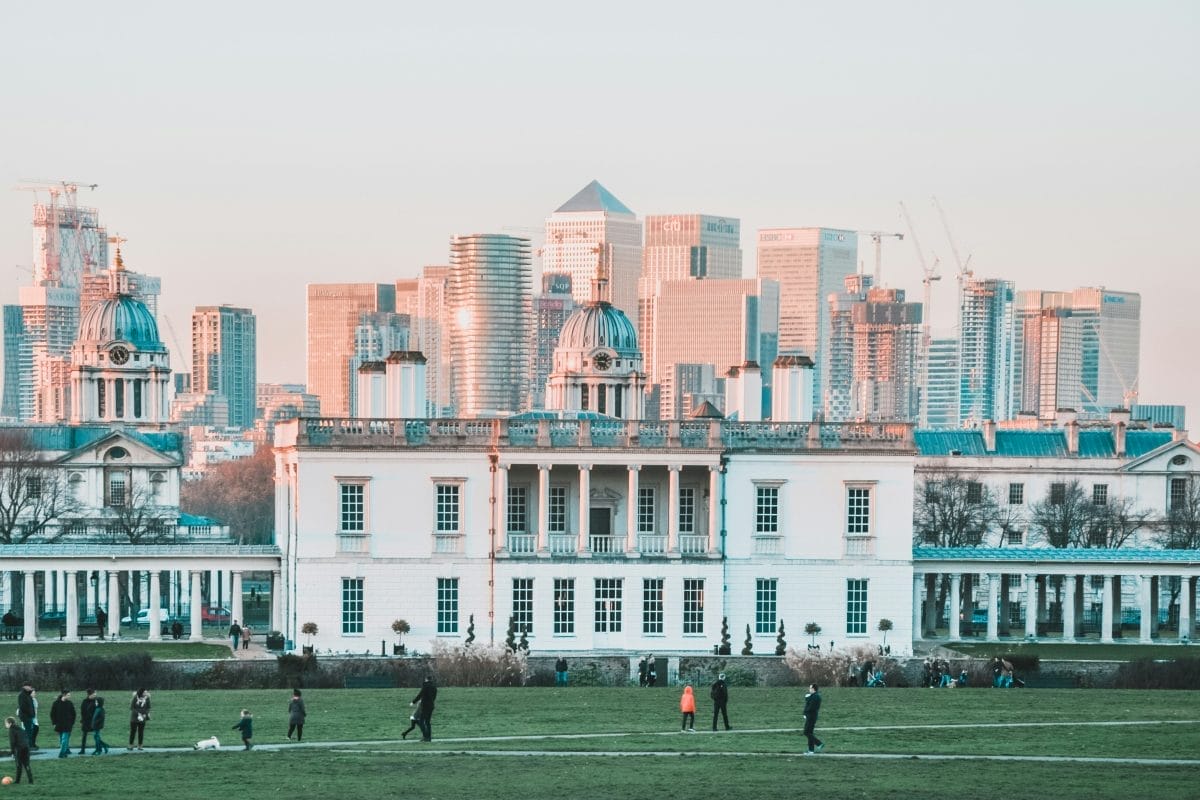
Henry VIII, for his many faults, did play a critical role in shaping the green landscapes of London. He was instrumental in seizing land from monks and enclosing the lands that now form parks like St James’s and Green Park.
While royal parks were initially private spaces, London was rapidly urbanising, and the royal parks began to open to the public. The first of these was Hyde Park in 1637, and by 1851 all eight royal parks we know today had become fully public.
Garden Squares
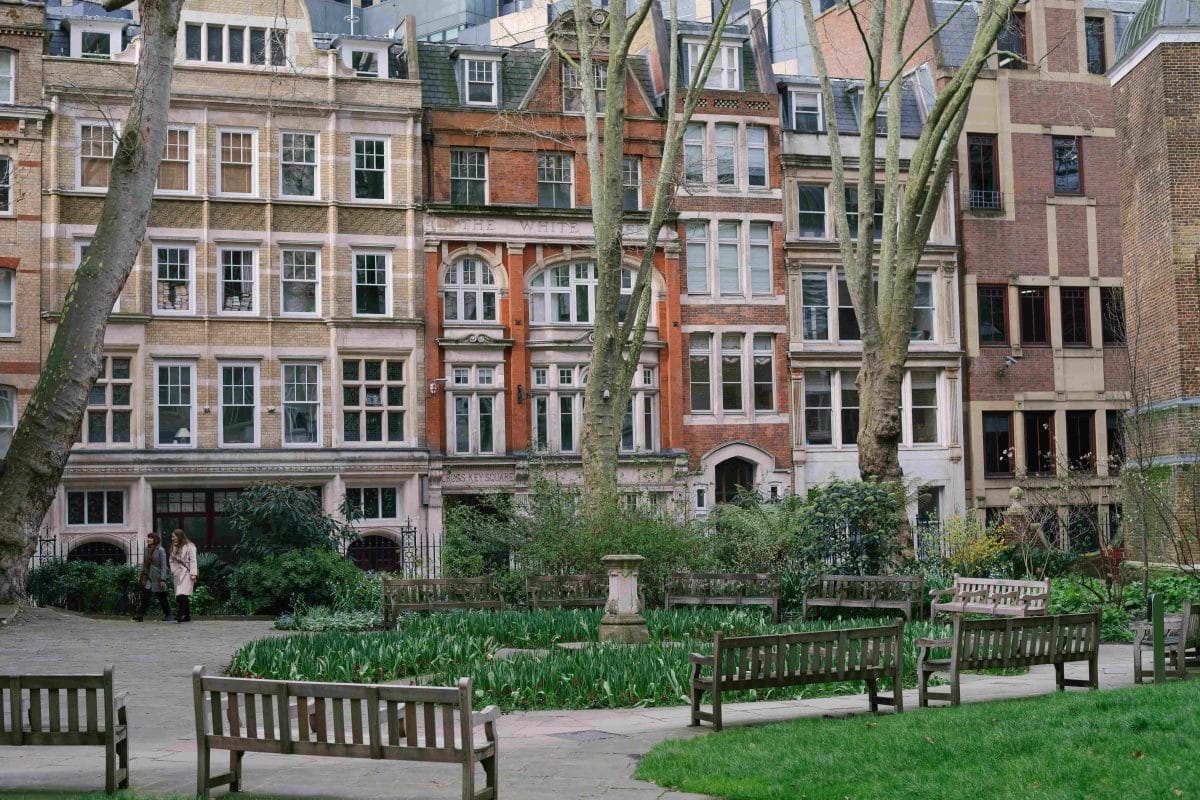
London is also unique for its number of garden squares, the small green spaces where you might enjoy a meal deal on your lunch break in Central and West London.
The concept was driven by 18th and 19th-century developers aiming to create desirable residential environments in an urbanising and industrialising London. You will notice the many garden squares of London are surrounded by grand Georgian and Victorian townhouses, and these squares were once open to the residents only.
London has the highest concentration of garden squares in Europe, and in Kensington and Chelsea, there are over one hundred garden squares alone.
While some remain private, many are open to the public, and they have become popular spaces for city workers on their lunch break – weather permitting!
Commons
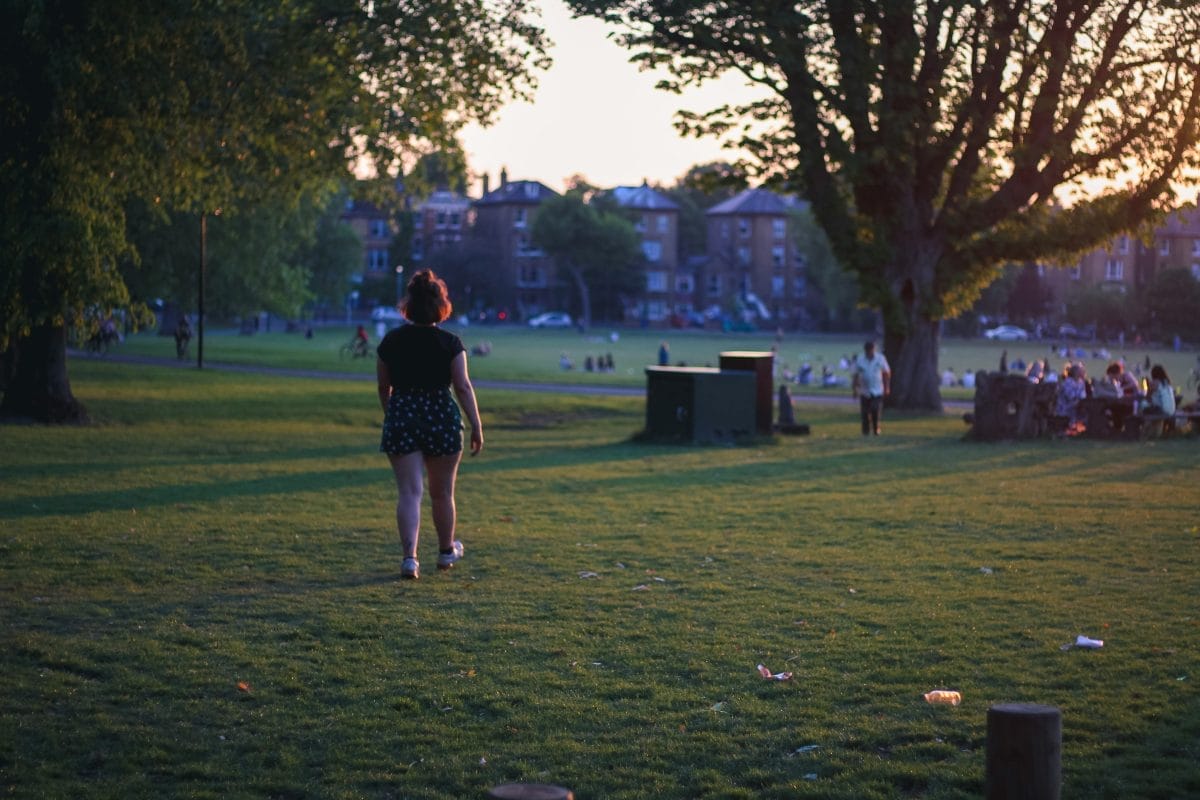
Away from the riches of Westminster and Chelsea, South London has the largest density of commons in London. Clapham, Streatham, Wandsworth, Mitcham, Wimbledon and Peckham Rye are some of the most well-known, but lots of green pockets are officially ‘common land’.
The origin of the common is a far cry from the royal beginnings of the parks found north of the river.
Commons as we know them today began as medieval wastelands of a manor house, where locals held rights to graze animals, cut turf and gather wood.
Between the sixteenth and nineteenth centuries, land usage changed and lords became increasingly incentivised to turn their land into profit. The landowners began fencing off these areas for their own private gain and the locals who had become reliant on these informal common spaces weren’t happy.
Protests ensued. In 1792 a peasant named Michael Bradley was even shot for trespassing on landowner Samuel Atkinson’s land, in a case relating to the now non-existent Sydenham Common.
As London changed and industrialised, agricultural land became less of a priority and the General Enclosure Act of 1845 was eventually passed. This required that all land enclosed in urban areas must set aside specific allotments for public recreation. This is the genesis of the public commons that we enjoy today.
Social Reform
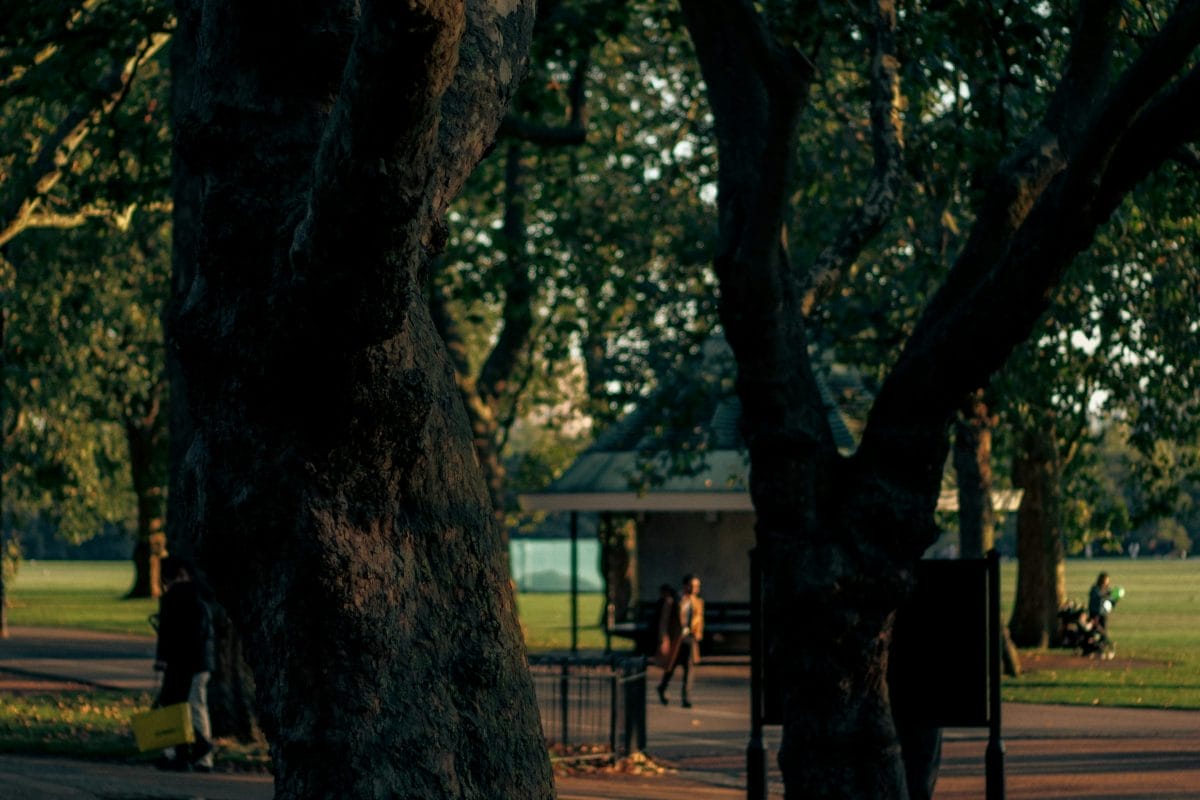
With industrialisation came new questions for London. Air quality and sanitation suffered as London urbanised, and parks became increasingly important as ‘the lungs of the city’.
Victorian reformers saw parks as important places for structured recreation and exercise, a healthier alternative to other working class leisure activities such as the pub or bathhouses.
Parks were seen by some thinkers as important civic spaces and democratic spheres for free egalitarian living. It is unlikely that working class people had gardens in London, and parks were seen as spaces for interclass mingling, democracy and a melting pot of ideas.
By the 1930s, parks had become a part of everyday London life. By this time, they were less a vehicle of social change and were part of social infrastructure. To this day, parks are still mostly managed by elected local officials, ensuring that they service community needs across the capital.
Modern Greening
London continues to face population density challenges but remains committed to preserving its green spaces and maintaining London as the world’s first National Park City.
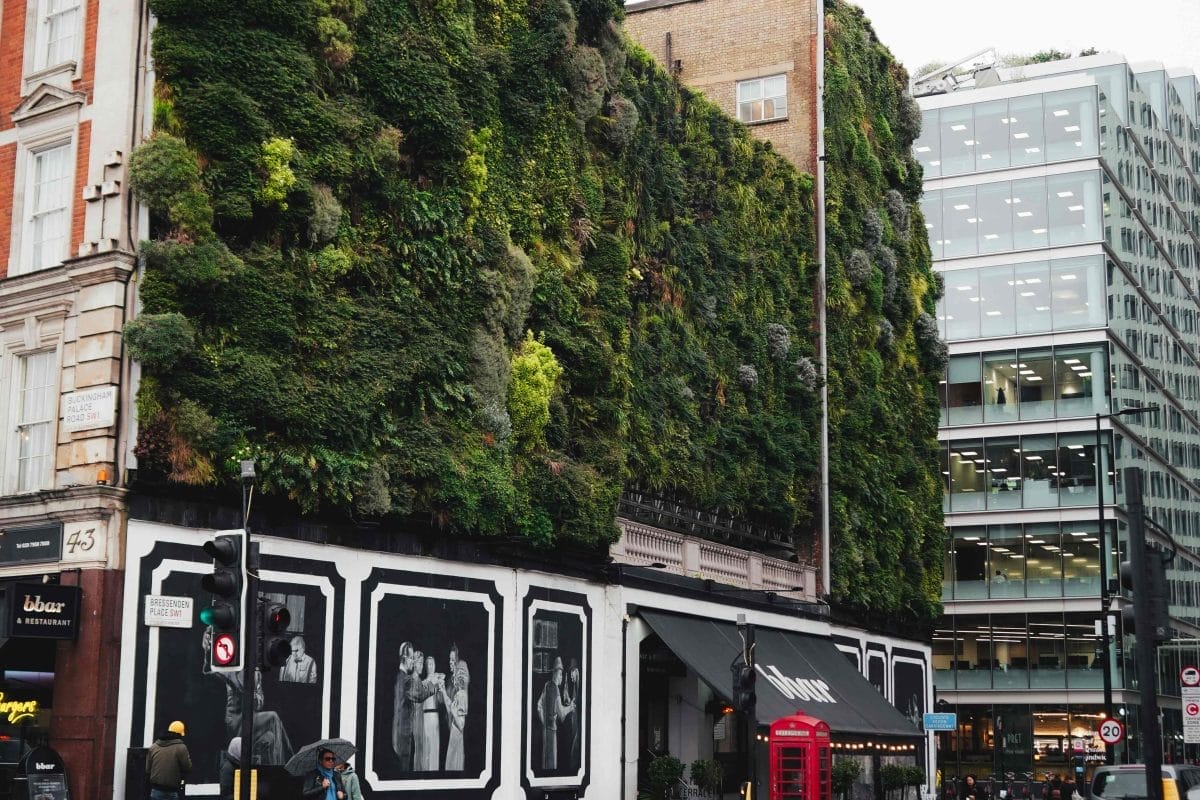
There are several specific greening initiatives taking place all over the capital, including green roofs and walls that provide insulation and create new habitats; sustainable drainage systems that tackle surface level flooding; tree planting in large volume; and transforming underutilised, paved areas into more green public spaces. With this, is a focus on green energy, communities and health, as well as biophilic design. By 2050, the aim is that over 50% of the city is green.
Conservation
Green spaces are now crucial in London, and their prevalence a benefit to a densely populated and emission-high city. Across the parks of London, there are now conservation efforts that look to further improve air quality and environmental health in London.
At the Horniman, questions around climate and ecology are at the forefront of all future planning in the Museum and Gardens. One of the country’s busiest and most congested roads – London’s South Circular (A205) – runs alongside the Horniman. As a result, our Gardens and the wildlife that live were suffering from noise and air pollution at an increasing rate. Road transport on the South Circular releases high volumes of NO2, which obscures flowers meaning pollinators can’t find food. The 300m squared area alongside the boundary with the South Circular has been redeveloped to provide a ‘green screen’, protecting the Horniman Gardens from noise and air pollution, and creating additional wildlife habitats. We are also keeping track of air pollution in the Gardens, with a brand new monitor.
On the Horniman Nature Trail, we are encouraging diverse wildlife to use the trail as their home, keeping dogs away and preserving the local ecosystem.
As part of the Nature + Love project, Horniman is constructing a new Garden Nursery and community garden. More details will be available soon, but this will be a space for visitors to engage with sustainable gardening, run by local groups.