


Rather than relying on institutional or academic translations, this process sought to capture the emotional everyday experience of how Egyptians speak about their own heritage.
Language became a site of reclamation – translation was not simply about converting words, but about conveying lived experience, humour, memory, and loss. This made the interpretation intimate, relevant, and responsive to the communities whose histories the display engages.
This approach marks a structural shift in museum interpretation here at the Horniman. All Eyes on Her! is the first bilingual display in the World Gallery, with Egyptian Arabic and English presented on equal footing.
Beyond the display, the project has influenced how the museum’s collections database records Egyptian material. Terminologies related to Egyptian heritage are now being reviewed and updated to reflect Indigenous Egyptian knowledge systems and contemporary cultural practice, rather than Western translations imposed through colonial scholarship. It represents an institutional step toward centring Egyptian voices and Indigenising museum processes, embedding collaboration, care, and linguistic equity into the very infrastructure of museum interpretation.
Below you can find the interpretation for All Eyes on Her! in English. You can find the Arabic translations here.
Introduction
All Eyes on Her! is a popular Egyptian saying that describes the experience of feeling inspected as a woman in public. Yet, women are largely invisible in accounts of Egyptian both in ancient times and now.
All Eyes have also been on Egypt and its heritage since Victorian times. The British occupation of Egypt from 1886 – 1956 led to the colonial displacement and dispersal of Egyptian heritage across the world, including to the Horniman.
All Eyes on Her! has been developed with Egyptian women and women-led initiatives in London, Cairo, the Egyptian Delta, and Luxor since 2021. It is about the everyday resistance of Egyptian women, reclaiming their heritage, position in public, and role in revolutions, past and present.
Resist!
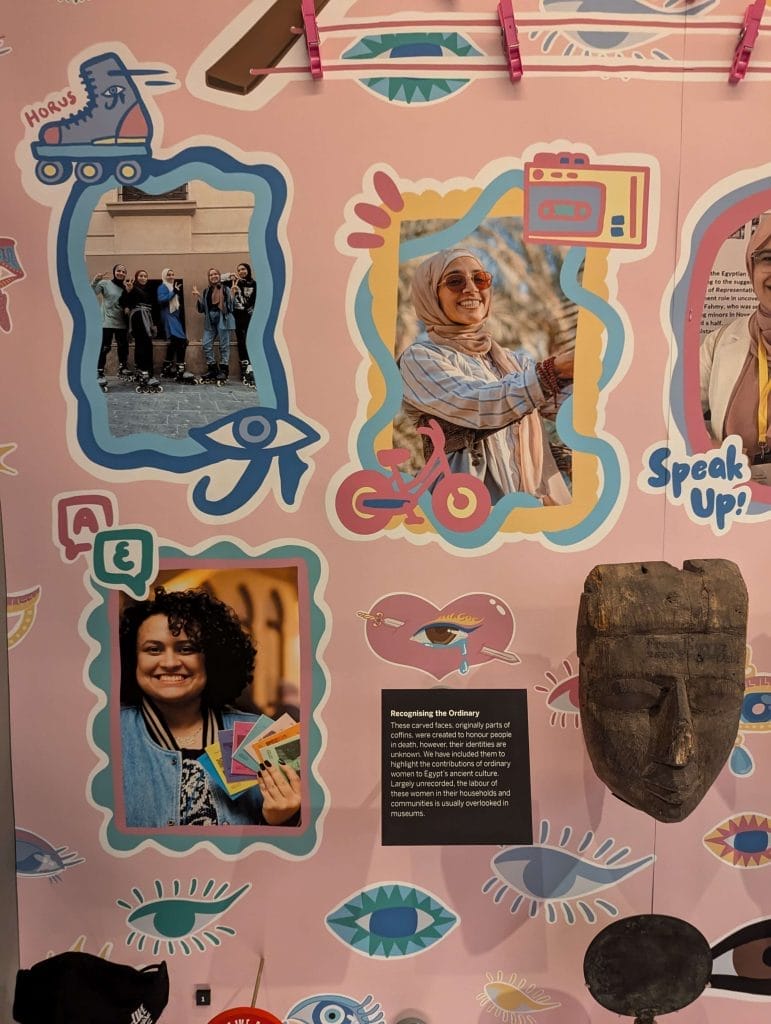
Recognition of women who resist society’s expectations is often limited to a few high-profile individuals. For many women, however, resistance lies in the everyday ways in which they show up in public spaces.
From managing households and establishing businesses, to roller-skating in Cairo’s underprivileged neighbourhoods and protesting through graphic art, Egyptian women are claiming more space every day.
While they might not self-identify as activists, or indeed feminists, these women are subtly but powerfully pushing cultural norms, bringing in social and policy change.
Here we honour everyday resistance through the activism of Egyptian women, past and present.
Lift Like a Girl!
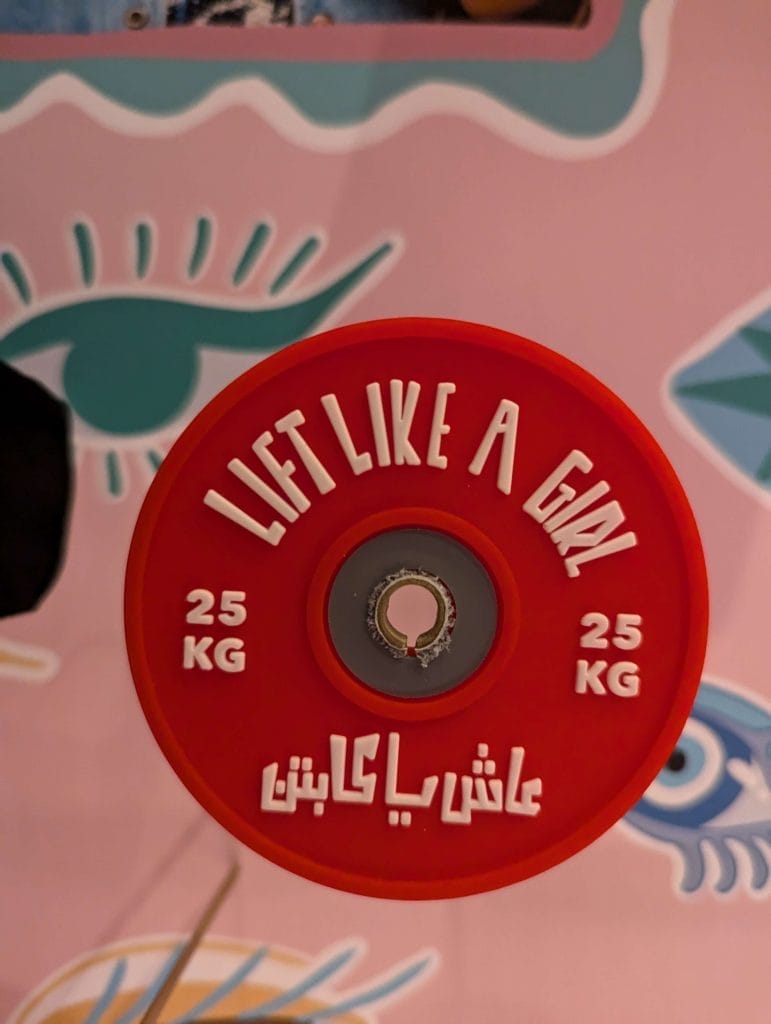
Mayye Zayed’s award-winning documentary Lift like a Girl! told the story of working-class women training to become Egyptian Olympic weightlifters. The film follows the four-year journey of weightlifter Asmaa Ramadan, nicknamed Zebiba. It explores how champions like her smash social taboos and challenge gender stereotypes, despite being self-funded.
Power Up Eyeliner
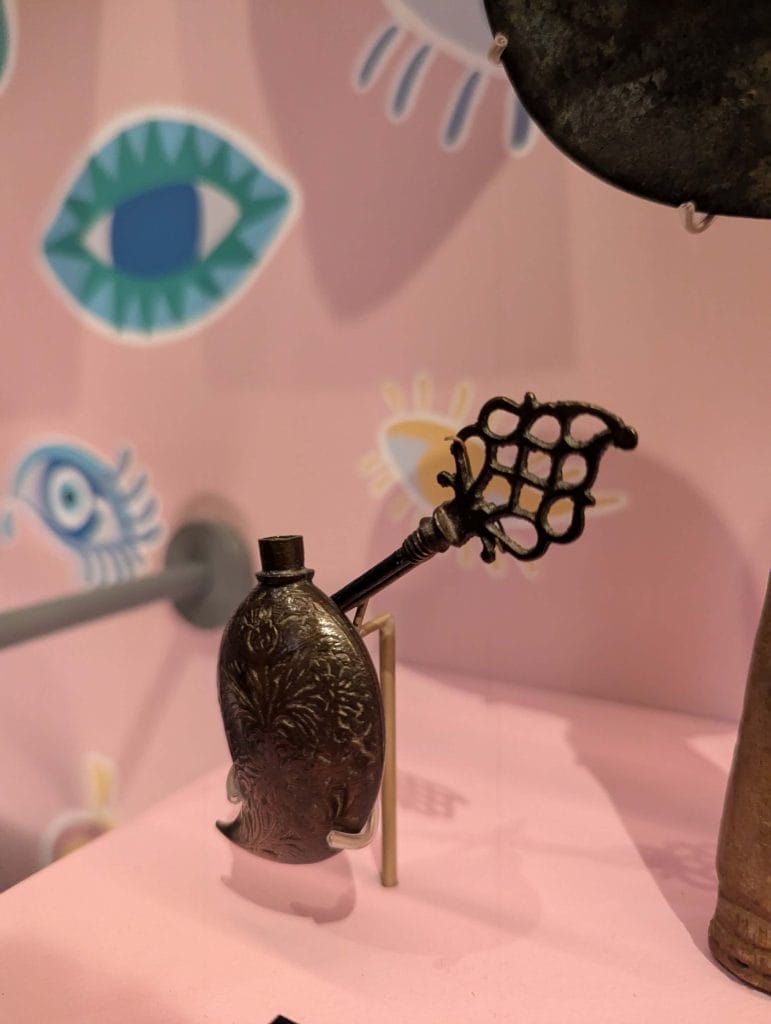
To Egyptians, eyeliner is not just makeup. Since ancient times, women and men have lined their eyes with kohl to shield from the sun, cure infections, and ward off evil spirits. Today, Egyptian social media makeup influencers are adapting the signature ancient Egyptian eyeliner style to lay claim to their own heritage, rejecting western beauty standards.
Recognising the Ordinary
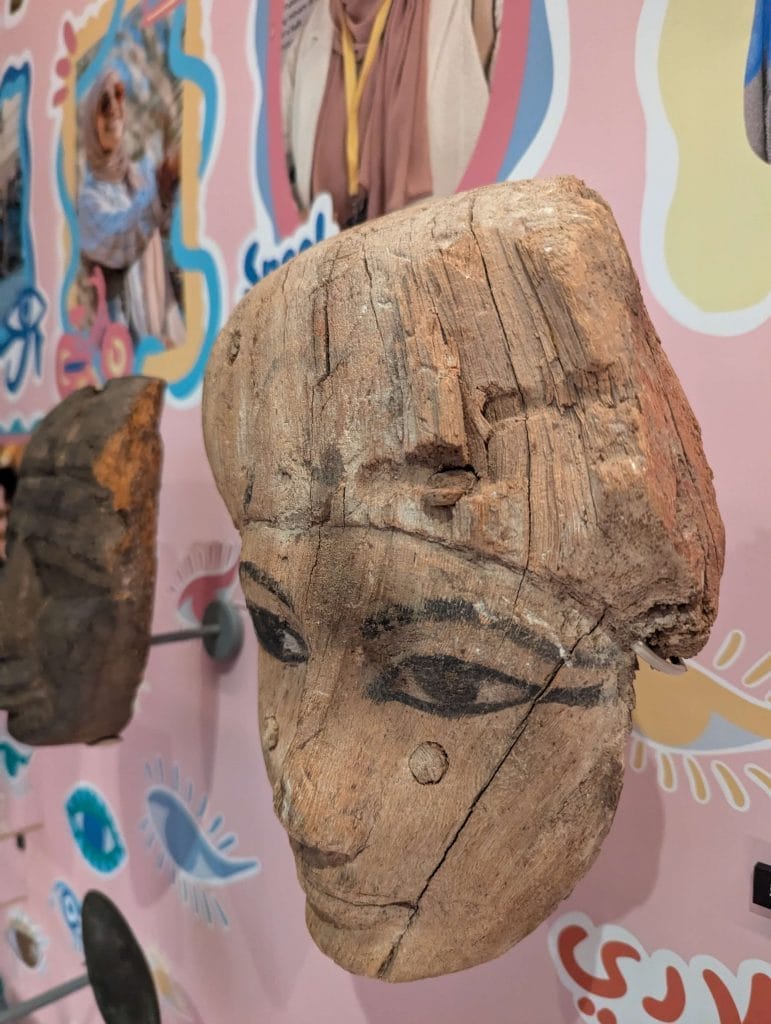
These carved faces, originally parts of coffins, were created to honour people in death, however, their identities are unknown. We have included them to highlight the contributions of ordinary women to Egypt’s ancient culture.
Shubeik Lubeik, Deena Mohammed
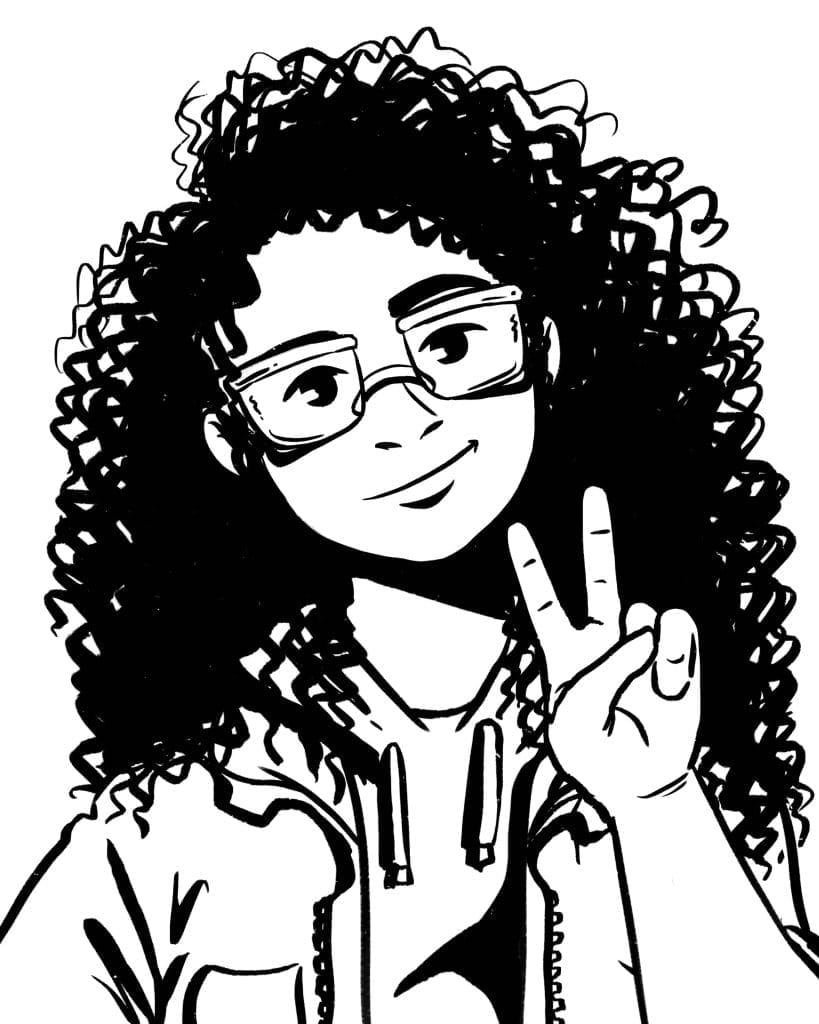
Aged eighteen, comic artist Deena Mohammed challenged western stereotypes by introducing the first visibly Muslim superheroine, Qahera, combating Islamophobia. In her debut graphic novel, Shubeik Lubeik, Deena drew on Arabic fairytales to expose the legacy of colonial exploitation of heritage and natural resources, which included communities being permanently displaced following archaeological excavations.
Revolt!
What would you pack for a revolution?
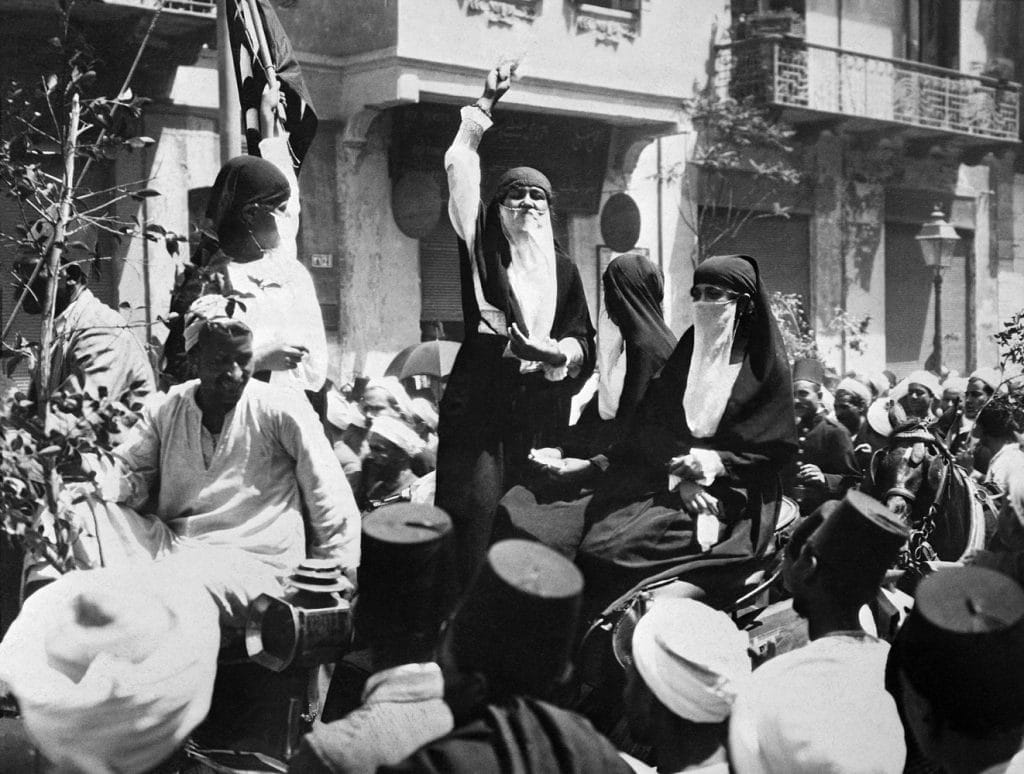
On 16 March 1919, Egyptian women of multiple faiths took to the streets of Cairo to protest against British colonial occupation, all wearing outfits like this one. Chanting ‘Egypt for Egyptians’, they carried flags with both the crescent and the cross.
British soldiers shot at the protestors, claiming they were rioting and looting. Today, March 16th is celebrated as Egyptian Woman’s Day, honouring the six women who were killed.
Egyptian women have a long, and unrecognised history of revolutionary activism. From flags, to pins, protective amulets and roller blades, these are all things that women have packed for revolution then – and now – to keep them safe.
A Shabti Revolution
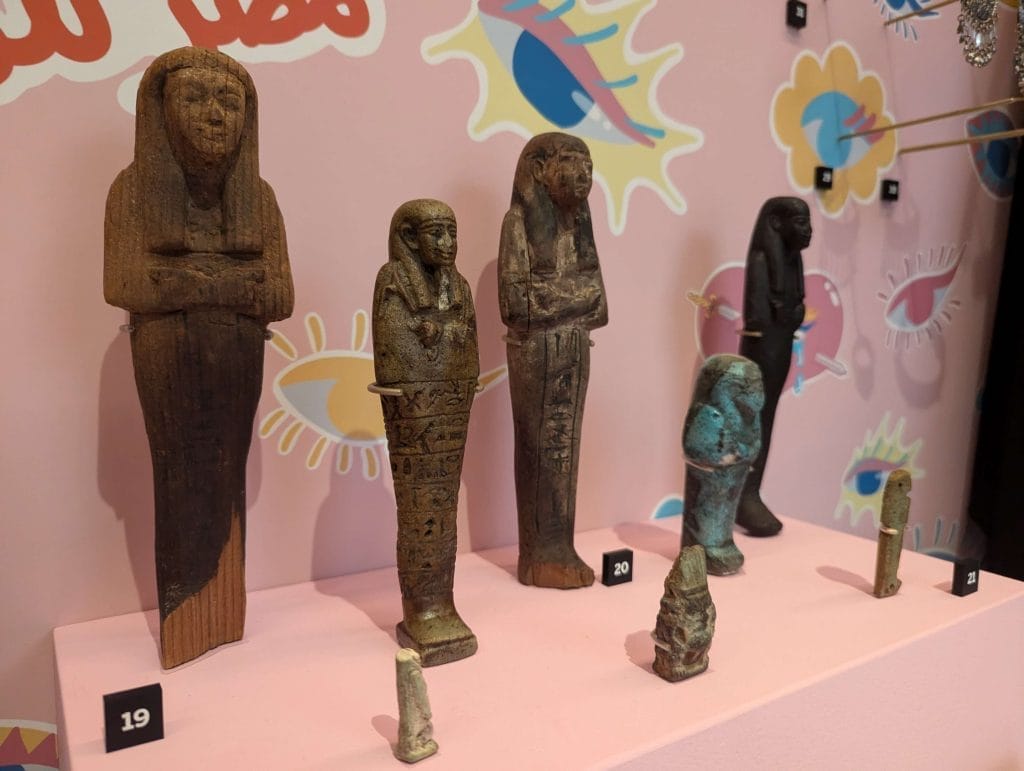
Shabti, meaning to answer, were avatars of the dead. They worked on behalf of their owner in the afterlife. Their ancient mass-production and portable size meant they were widely removed from Egypt by colonial collectors and excavators. These shabtis are protesting against their displacement, on behalf of ancient Egyptian women in the afterlife.
Protect Me
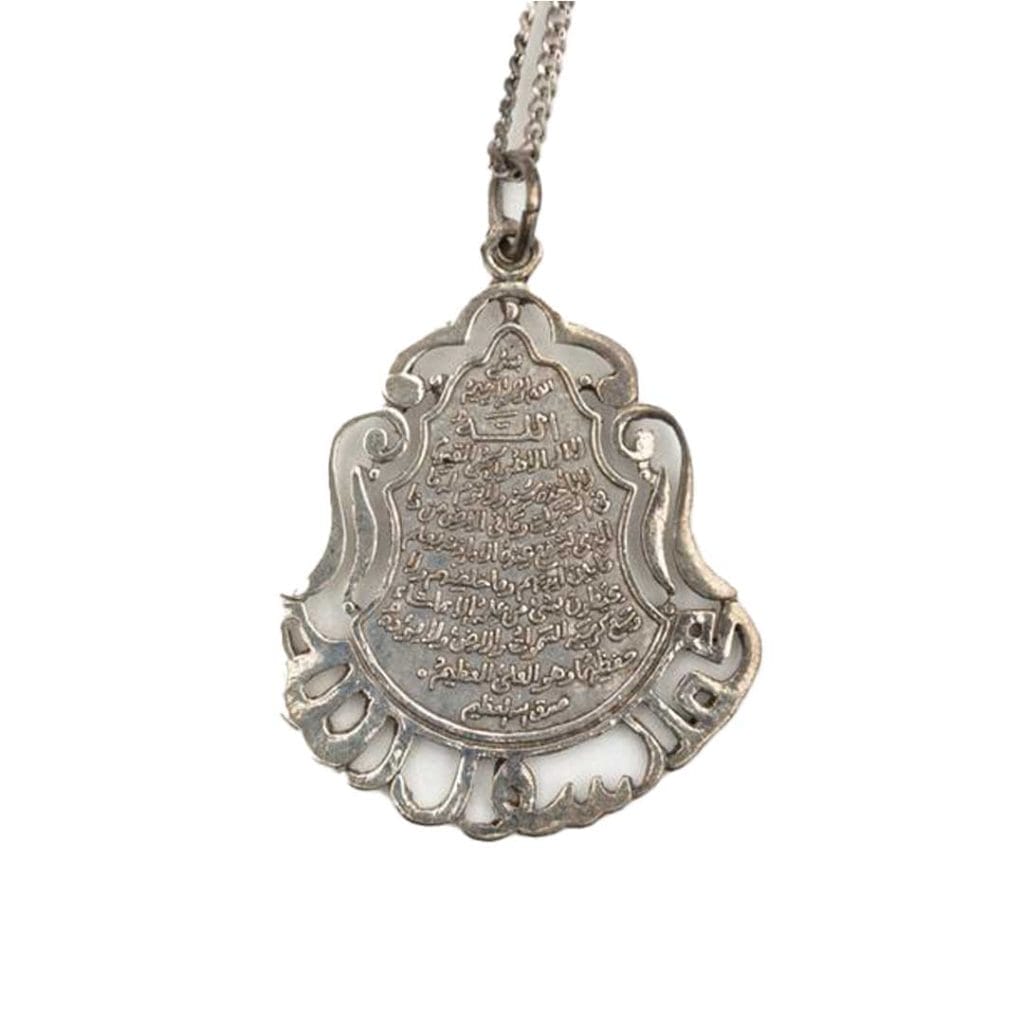
Amulets have been worn to protect or heal throughout Egyptian history and often have religious significance. Especially in the south of Egypt in the 1800s, women held the knowledge and controlled the production of amulets. These healers played a critical role in shaping traditional medicinal practices. Both continue to be valued today.
Pinning Harassers
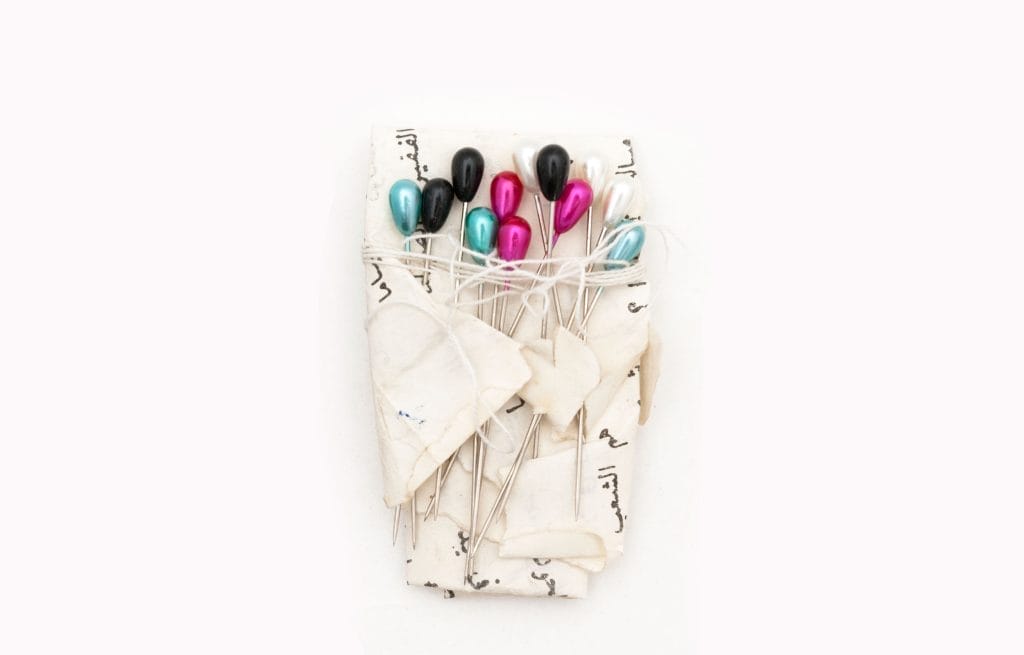
1991.460 – Scarf pins wrapped in paper printed with verse by Egyptian poet Ahmed Shawki, exiled by the British for writing anticolonial poetry.
Pins like these are an easy hack for fixing headscarves in place. However, during the January 2011 Egyptian Revolution, pins became symbolic of female resistance. Anti-revolution groups targeted female protesters, using sexual harassment to stop them from attending public protests. Women fixed large pins to their bras for protection.
Unwrapping anti-colonial activism
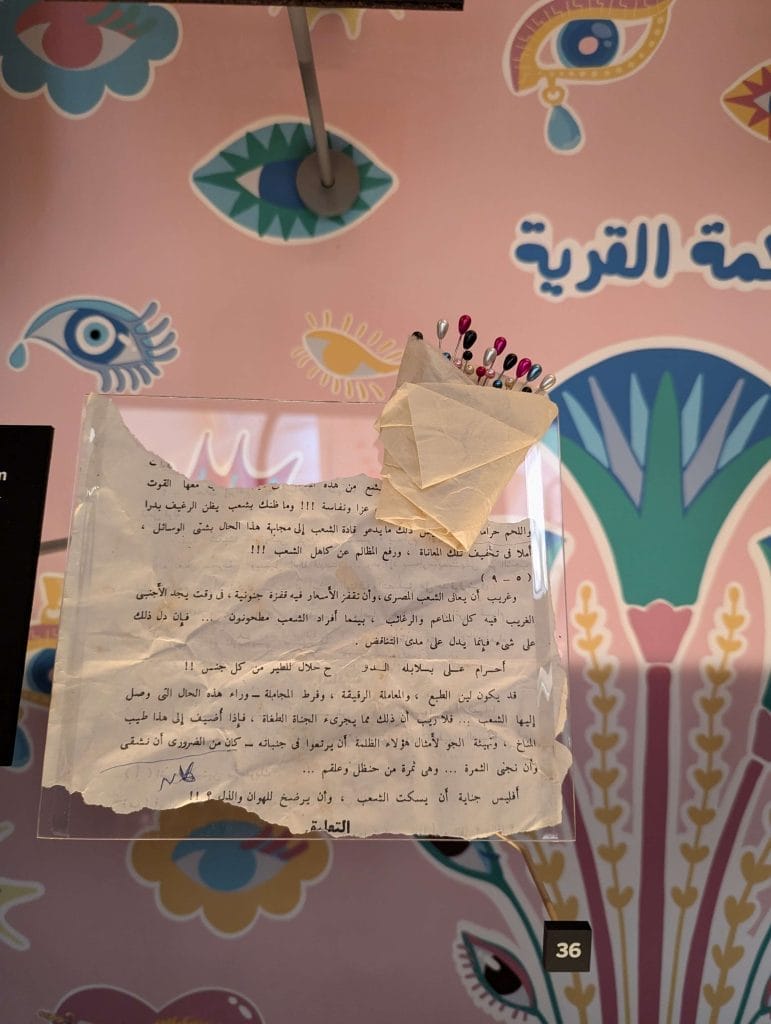
The pins were wrapped in scrap paper from a school textbook, with a printed verse by Egyptian poet Ahmed Shawki. It reads: ‘forbidden to nightingales of its woods, allowed to all other kinds of birds.’ Shawki was exiled by the British for writing anticolonial poetry, like this.
Roll on
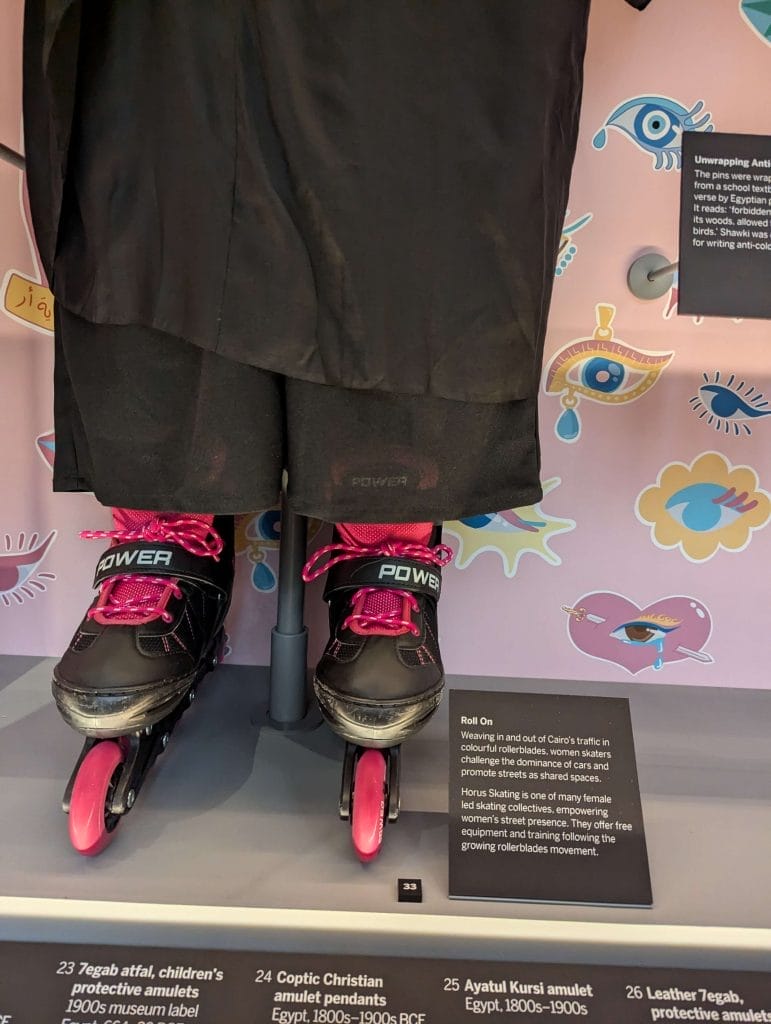
Donning colourful inline skates, women have been weaving in and out of Cairo’s traffic, challenging the dominance of cars and promoting streets as shared spaces. The growing popularity of this movement since the pandemic led to the creation of several women-led skating groups, including our community partner Horus Skate group.
Reclaim
Reclaiming heritage
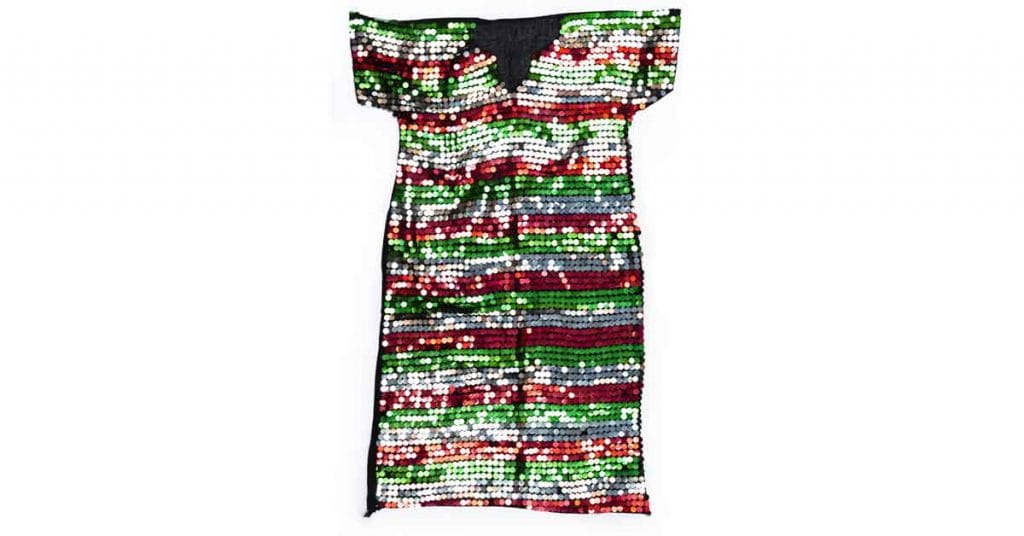
Reclaiming heritage is a vital part of women’s everyday activism in Egypt. Women across Egypt are defying western appropriation of their heritage. They draw on popular culture and fashion to assert their power and presence.
Asmaa Halim is an Egyptian Nubian dance movement therapist who is liberating belly dancing from its western stereotypes. Known in Egypt as baladi dance, Asmaa invites women to dress up in blingy dresses like this one and ‘shake the shame out’. She is reviving baladi dance to empower women across the generations, celebrating female sexuality and asserting women’s ownership of their own bodies.
Own your curls
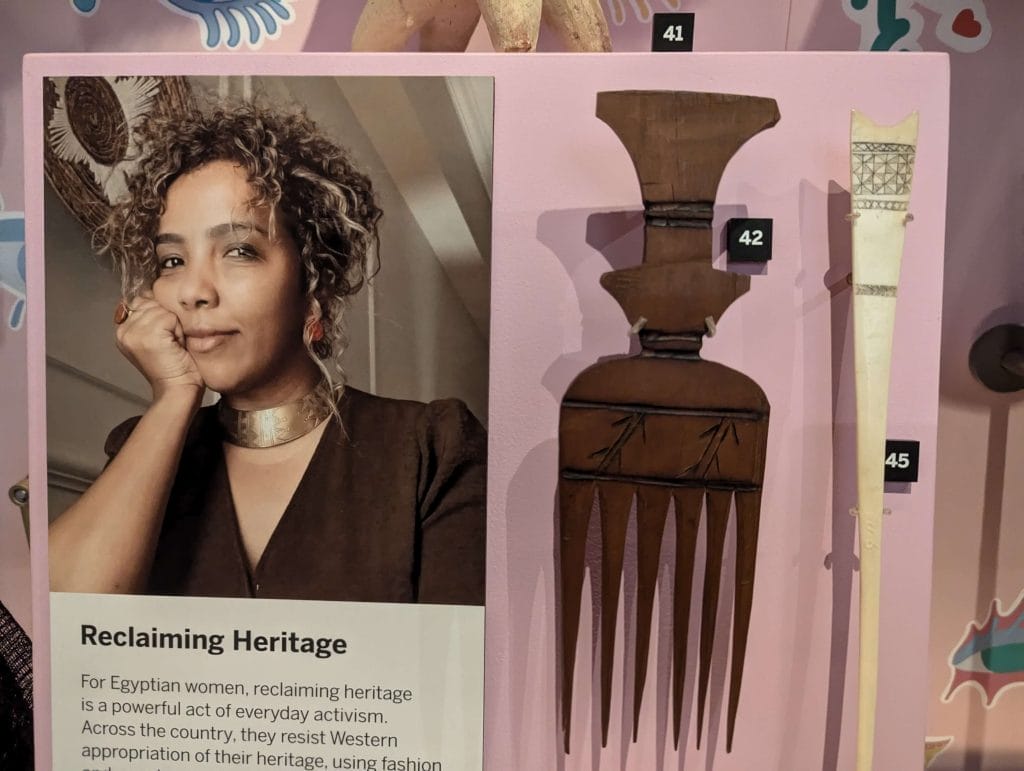
These ancient combs are adapted to suit a range of hair textures. Egyptian women have faced social pressure to straighten their curly hair to fit into western beauty standards. Curly-hair social media influencers have led a natural hair movement since the 2011 revolution, nurturing local haircare industries.
Hijabi fashionistas
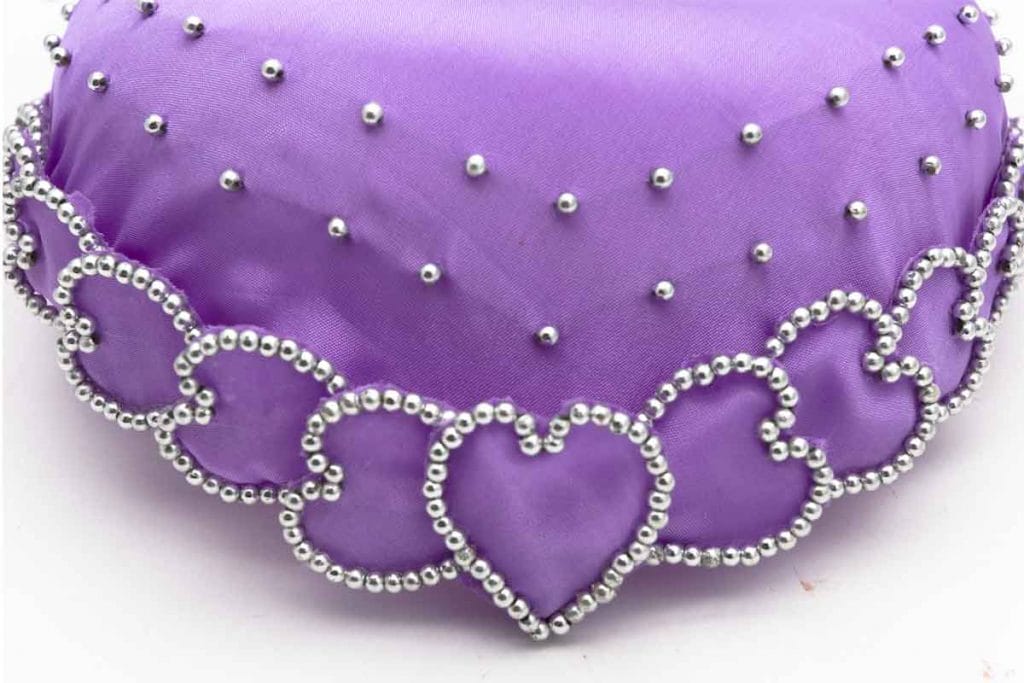
This purple hijab was worn for special occasions and weddings in the 1980s, when Egyptian hijab-styles were more conservative. However, since the 2000s, ‘modest yet fashionable’ is the Egyptian hijabi motto. From hijab-swimwear to loose-fitting outfits with matching headscarves in bright colours, Egyptian women take modest fashion seriously, and the modest fashion market is thriving.
From the south with love: Ganubi
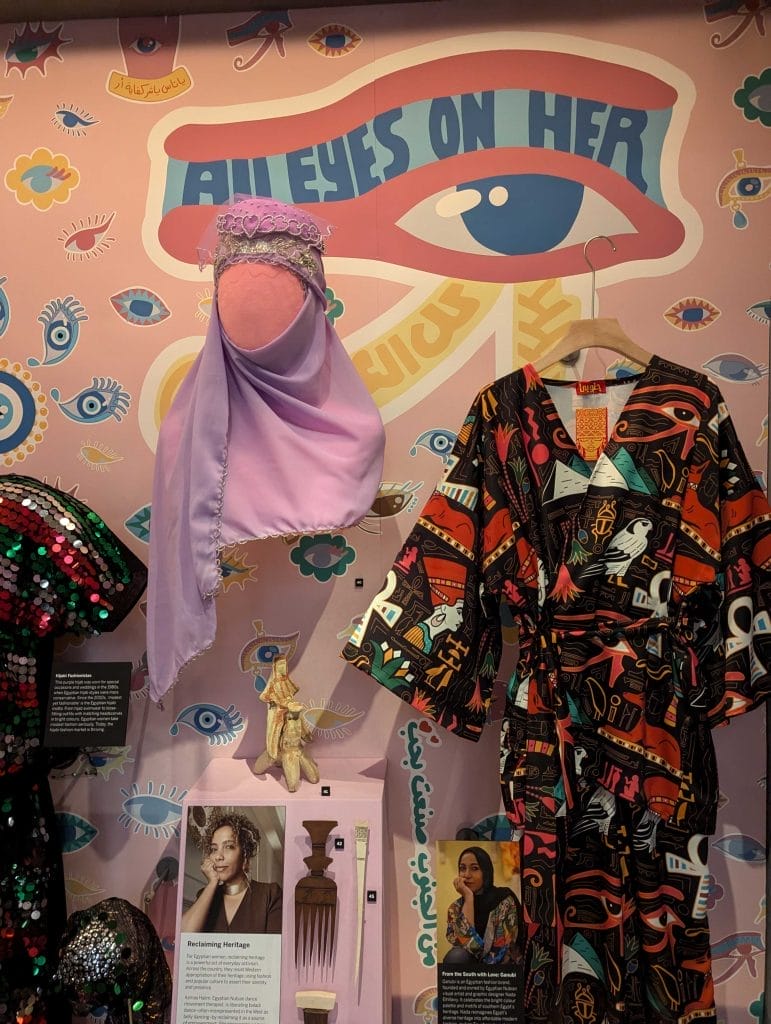
Ganubi is an Egyptian fashion brand, founded and owned by Egyptian Nubian visual artist and graphic designer Nada Elhlfawy. It celebrates the bright colour-palette and motifs of Egypt’s southern heritage and diversity. Nada’s Egyptian heritage inspired designs are affordable modern fashion, inviting Egyptians to show their identity through everyday clothing.
El Bersha Girls Panorama
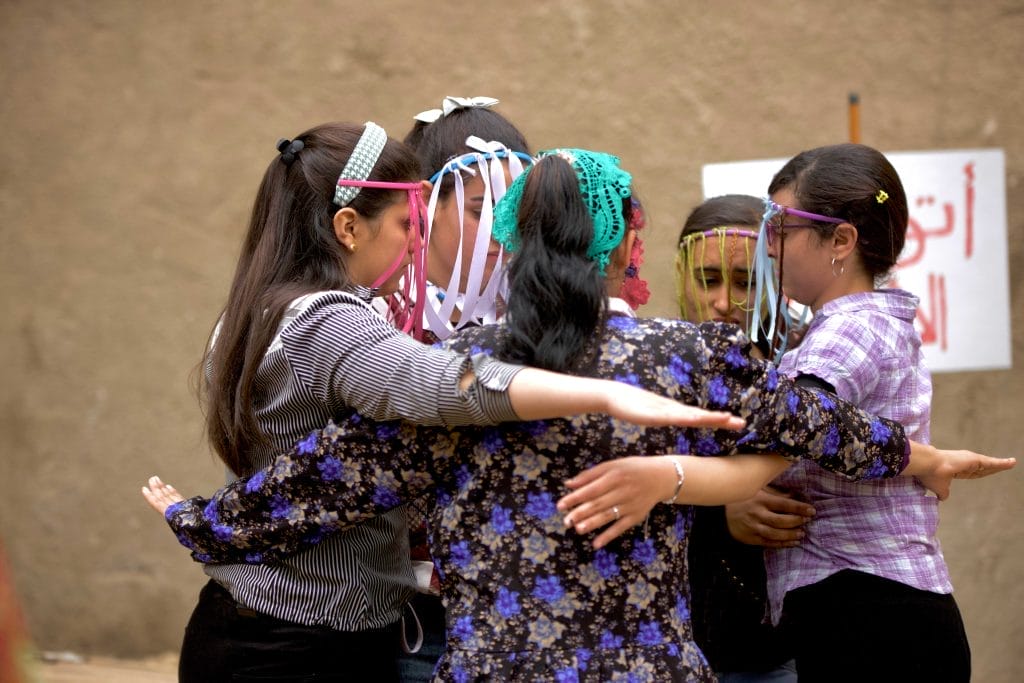
This Re2 is a traditional musical instrument, of the type played by El Bersha Girls Panorama, an all-female street theatre troupe, touring rural villages. Their performances are based on neglected Southern Egyptian folklore. The group bring attention to gender discrimination in their conservative village, including early marriage and unequal access to education.
Community Translators: المترجمين المجتمعين
- Eman Sobhy / ايمان صبحي
- Hagar Sayed / هاجر سيد
- Reem Amr / ريم عمرو
- Monica Attia / مونيكا عطية
- Esraa Elhadary / اسراء الحضري
- Lamis Ahmed / لميس أحمد
- Donia Yasser / دنيا ياسر
- Mariam Alaa / مريم علاء
- Danh Amir / دانة أمير
- Bishoy Mahrous / بيشوي محروس
- Basma Ahmad/ بسمة أحمد
- Mariam Hegazy/مريم حجازي
- Mohamed Abougabal / محمد أبوجبل
- Sami Jumaa / سامي جمعة
- ساره الغباشي / Sara el Ghobashy
- محمود الجبالي / Mahmoud el Gebaly
- Maryam Raslan / مريم رسلان