


Did you know that a group of badgers is called a clan and that they live in a sett where they rear their young? And did you know that the young of foxes are sometimes looked after by their older sisters as well as their mum?
Feeding young with milk
We know that mammals like foxes feed their young by producing a nutritious rich milk but were you aware that many other animals also produce “milk-like” liquids for their young to feed on?
Pigeons create a type of milk in their crops however unlike mammals, where it’s only the female that produces milk, both the female and the male make it. This “milk” is high in protein and fat and gives the growing young a boost, helping it grow and become strong enough to look after itself.
A number of species of cockroaches also feed their young with secretions from their bodies called “cockroach milk”. One species of cockroach, the wood-burrowing roach, will care for their young for up to three years until they are able to fend for themselves. Milk production is also seen in the ringed caecilian. These long limbless amphibians secrete a carbohydrate and fat rich liquid from their cloaca which the young feed on.
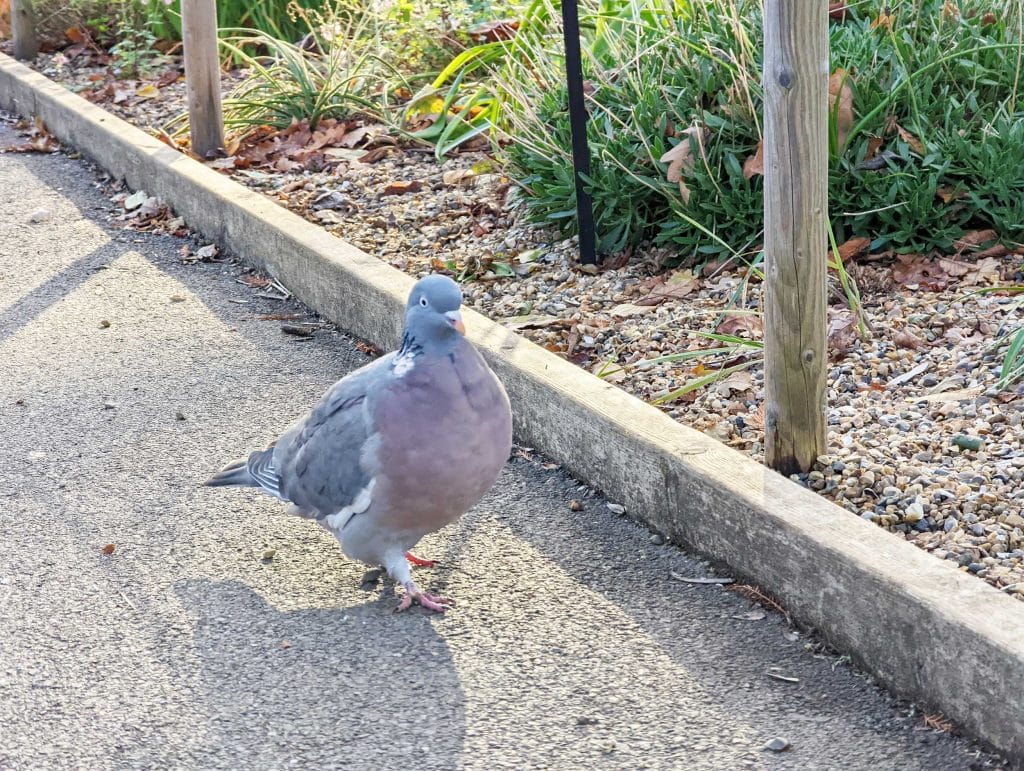
A woodpigeon in the Grasslands Garden
Until they fly the nest
Birds put a lot of extra effort into the rearing of their young, often involving both parents. This is vitally important as many birds hatch helpless and need to stay in the nest until they are much older. Both parents can contribute to the care and upbringing of the young, improving their chance of survival. The young of the grey partridge stay with their parents till the next breeding season. The parents teach their young what is safe to eat by dropping safe food near them.
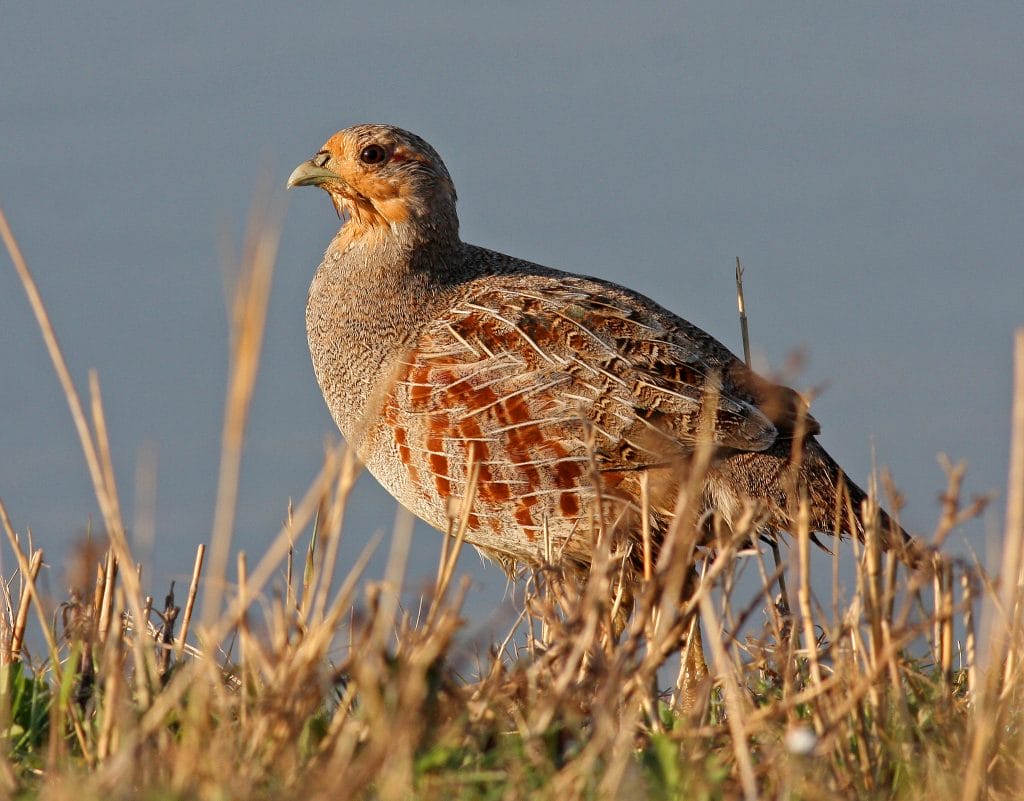
Perdix perdix, Grey partridge © Frans Vandewalle CC BY-NC 2.0
You’re just like your mother
Female aphids can produce clones of themselves during the spring and summer months. What’s truly amazing is that while the adult is pregnant the young that grow within her are also pregnant. This means that almost as soon as they are born they are able to give birth to their clone young, causing the population to explode when food is abundant.
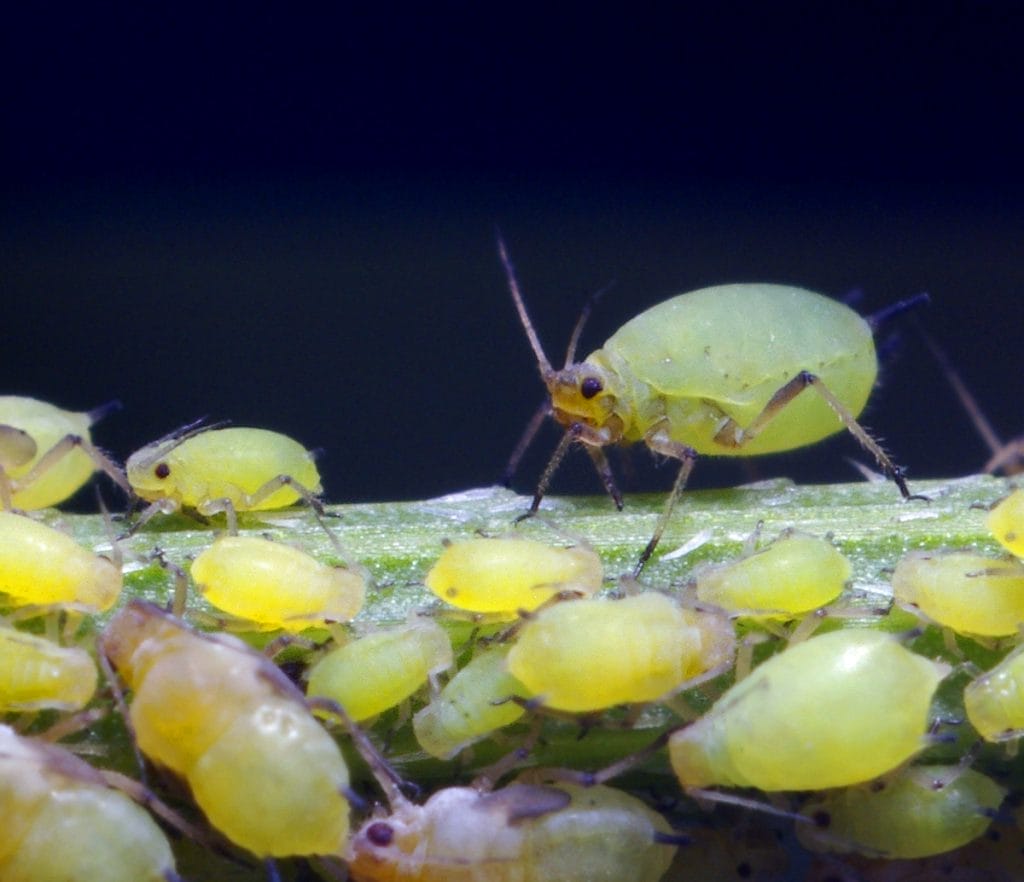
Photo by Thomas Shahan CC-BY-NC-ND 2.0
Defending their young
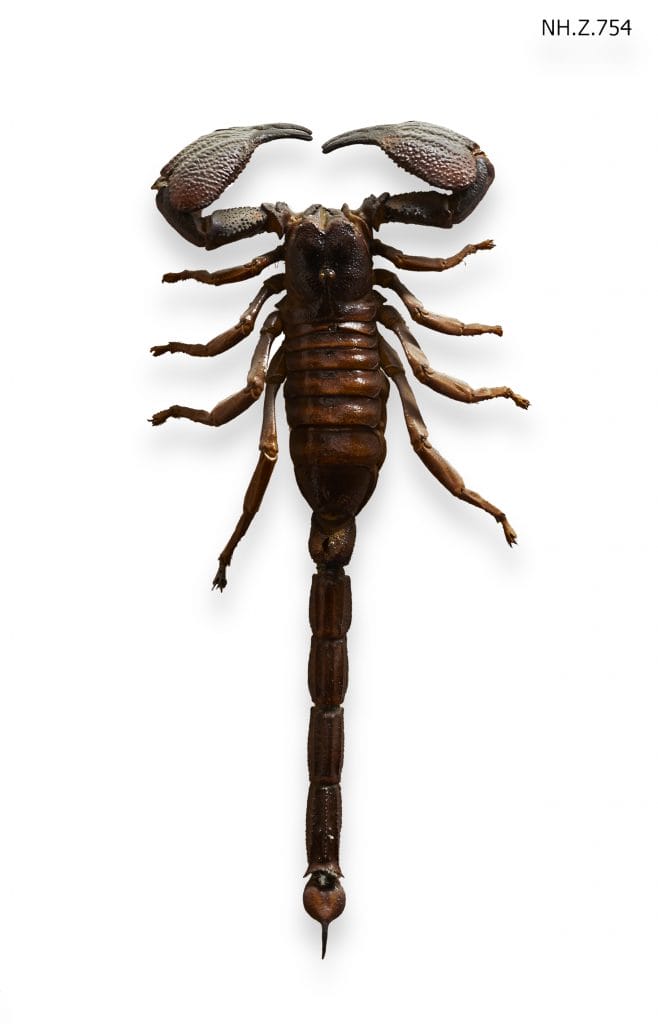
Young scorpions are born unable to feed or defend themselves. Therefore, they climb onto their mothers back where she can more easily protect them until they can look after themselves.
Earwig mothers are known as devoted parents, cleaning and protecting their eggs and regurgitating food for their young once they hatch, giving the young a strong chance of survival. This type of care is also seen in centipedes, where the mother curls her body around her eggs and young protecting them from predators.
Some giant centipede mothers give the greatest sacrifice, enabling the young to feed from the nourishment of her body.
These are just a few stories from the animal kingdom, but there are so many more amazing stories that we can tell by looking through our collections. At Members’ Meet the Collections we will explore the idea of what a family is and what it can be in the natural world.