


Suffragettes
The rise of the suffragettes, who campaigned for women’s rights in the early 20th Century, runs parallel to the establishment of the Horniman. Lewisham had an active suffragette branch and held public meetings at Ladywell Baths and Lee Green.
One key figure was Rosa May Billinghurst, born in Lewisham. Despite becoming disabled by polio in her youth, Rosa May Billinghurst would participate in protests in an early iteration of a wheelchair with three wheels, like a modified tricycle. While her disability left her unable to work in many traditional roles at the time, she became involved in social work in Greenwich, teaching in a Sunday school and doing important work for a Christian charity, and went on to found the Greenwich branch of the Women’s Social and Political Union (WSPU).
May faced assault by the police on ‘Black Friday’, when over three hundred protesters marched to Parliament to secure votes for women only to face physical and sexual assault from the police. May experienced physical assault as well as the removal of parts of her chair leaving her immobile before an angry mob.
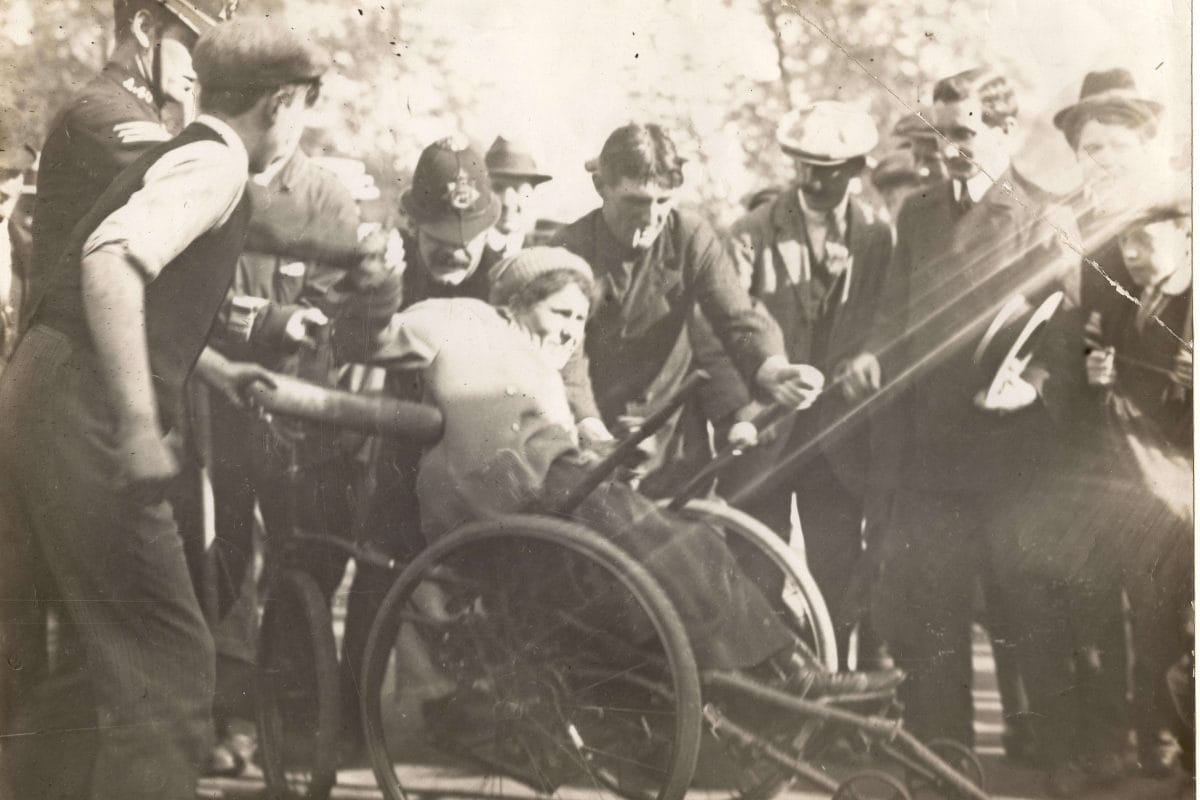
She spent time in Holloway prison for her activism, taking part in hunger strikes but continuing to protest after her release and undergoing brutal force feeding. None of these assaults stopped her from continuing to protest. She defied the outdated expectations of women in the early 20th Century.
Children’s Rights
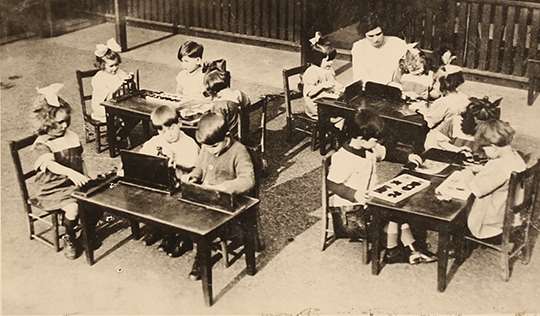
Parallel to the women’s right movement, sisters Margeret and Rachel McMillian campaigned for childhood education and health reform. Together, they founded children’s clinics in Deptford Road and Evelyn Road in 1910 and 1911 respectively.
In 1914, they founded the first open-air nursery for children in Deptford, advocating fresh air, nutritious meals, and healthcare as a core part of their education. The school was subsidised for children from low income, and children from families working in munition factories were given a government grant to cover their attendance costs. The sisters are recognised with blue plaques in Bromley, and Goldsmiths University has named one of its buildings after Margaret. Their activism is also the foundation for the Rachel McMillan Nursery School in Deptford.
Lewisham Floods
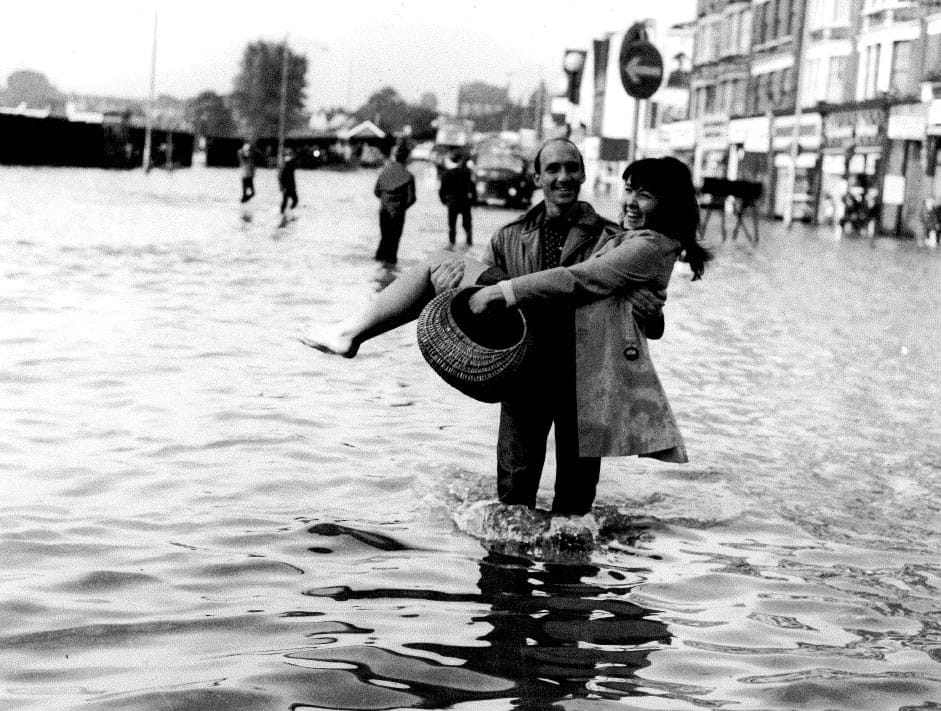
In 1968, after a period of torrential rain across the country, Lewisham found itself flooded.
The ‘Lake on Lewisham High Street’ was the front page image on the Daily Mirror, the persistent rain had affected the banks of the Ravensbourne and Quaggy rivers, halting travel and flooding the area for almost a week. The people of Lewisham struggled to get to work and school, with homes and businesses seriously damaged.
The MP for Lewisham at the time, Christopher Chataway, regarded the streams that run through South East London as a ‘curse and an eyesore’, and wanted the rivers encased in concrete and routed underground to halt further damage.
In 1990, a small group of environmentally conscious local people formed the Quaggy Waterways Action Group. Rather than enclosing these natural streams in concrete, they campaigned for decades to work with the natural streams, rather than against them. QWAG believed that the best way to avoid flooding is to allow the rivers themselves to act naturally, with work undertaken to prevent flooding.
Today, the streams that run through Ladywell Fields, Chinbrook Meadows and Sutcliffe Park have been freed of concrete enclosure, and have become natural hotspots for wildlife. Birds like kingfishers, woodpeckers and reed warblers can be seen, as well as eels, frogs and newts. This is a direct result of work done by the Quaggy Waterways Action Group, making it safer, environmentally friendly and beautifying it too!
The Battle of Lewisham
In the 1970s Lewisham became the battleground for racial tension. The far-right National Front had reached nationwide notoriety for their racist marches through London, but their attempts were halted in August 1977, when they attempted to demonstrate in New Cross.
Counter protests, led by prominent activist Darcus Howe, gathered in Ladywell Fields. Huge crowds of local people blocked the National Front’s intended route, and by the afternoon, violent clashes had erupted in Lewisham. Counter-demonstrators clashed with police after the National Front had been escorted out of the area.
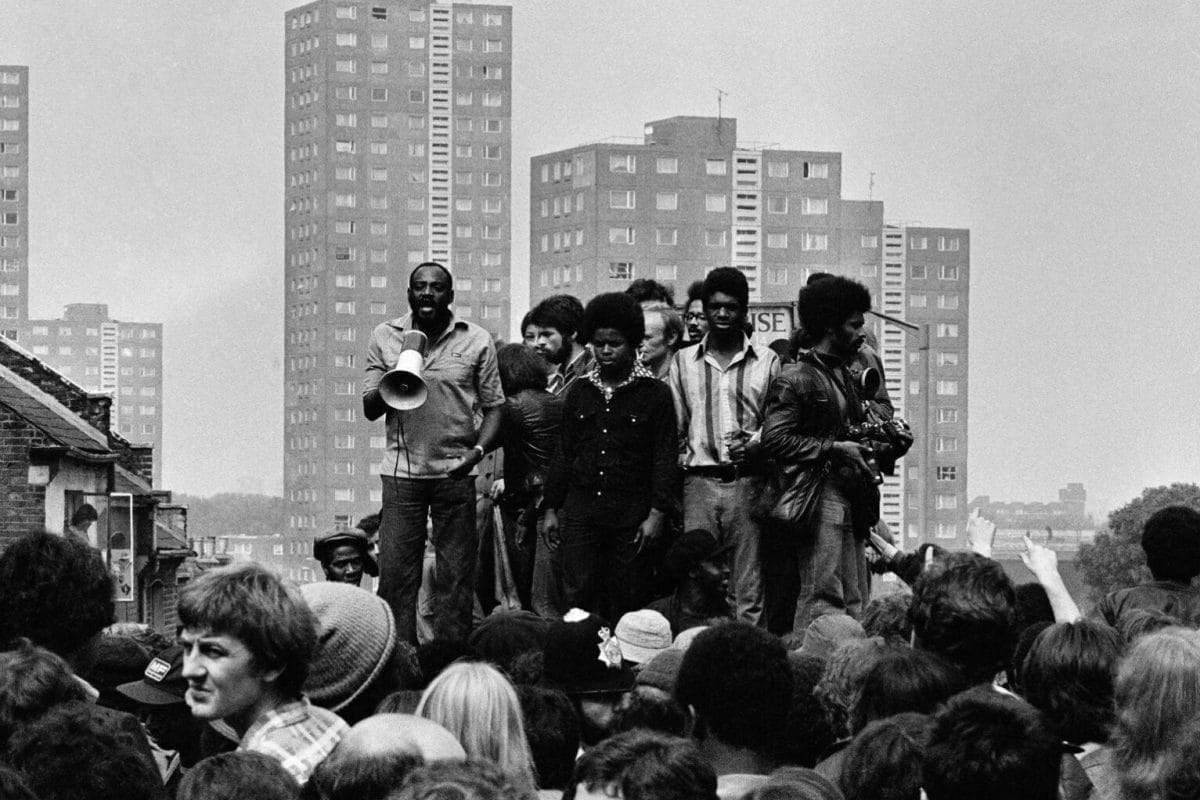
This was a hugely significant moment in 1970s Britain, as it was the first time the National Front’s march had not reached its intended destination. It saw the first time riot shields were used outside of Northern Ireland in the UK. Over 200 people were arrested and over 100 were injured.
The choice of the National Front in picking Lewisham, with it’s large black community, was to gain a large reaction. However, there was a contingent of local support in the borough – the far right secured almost half the vote in by-elections the year earlier.
But they were vastly outnumbered by the counter protesters in Lewisham. Over 4,000 people turned up to protest against the National Front while the police kept them to back streets and away from central Lewisham. This event marked a positive turning point for the racial equality movement in Britain and a plaque has been erected at 323 New Cross Road where the demonstration began.
Save Lewisham Hospital
Many of our regular visitors will have been born in Lewisham Hospital, but did you know it was under threat of closure in 2012?
The South London Healthcare Trust had reported financial difficulties, and the government response threatened to close children’s wards, critical care and the maternity services.
The Save Lewisham Hospital campaign put a stop to this, as widespread public backlash gathered momentum. Local schools, businesses, faith groups, charities and even Millwall Football Club came together in a coordinated community fundraising mission, with funds going towards a legal case to save the hospital.
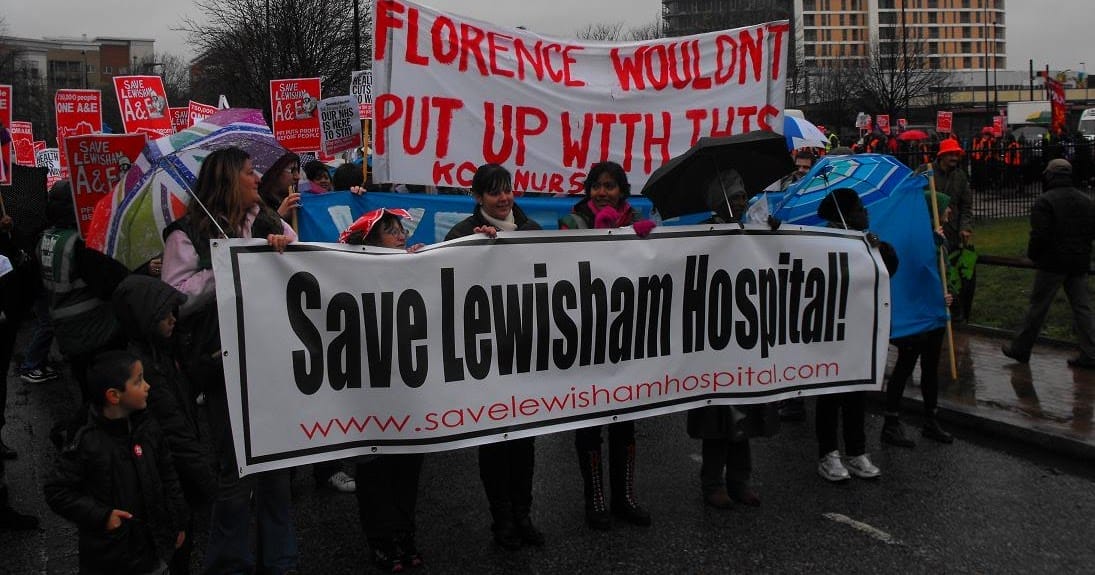
In 2013, the campaign wont its court case convincingly. The courts ruled that the health secretary did not have the jurisdiction to implement the cuts on Lewisham Hospital, and the closure of the accident & emergency unit did not go ahead. Once again, Lewisham’s community spirit and fierce pursuit of justice had won the day.