


Pollinating insects include species such as bees, hoverflies, moths and butterflies. They transfer pollen from one flower to another, helping the plants to fruit and set seed.
As farming practices have changed over the last few decades, there has been a steep decline in the wild flower population that was previously the main food source for pollinating insects. As a result, many of their populations are in decline.
This may result in problems in the future with food production, as so much of our food is reliant on plants being pollinated, so it is important to help them out.
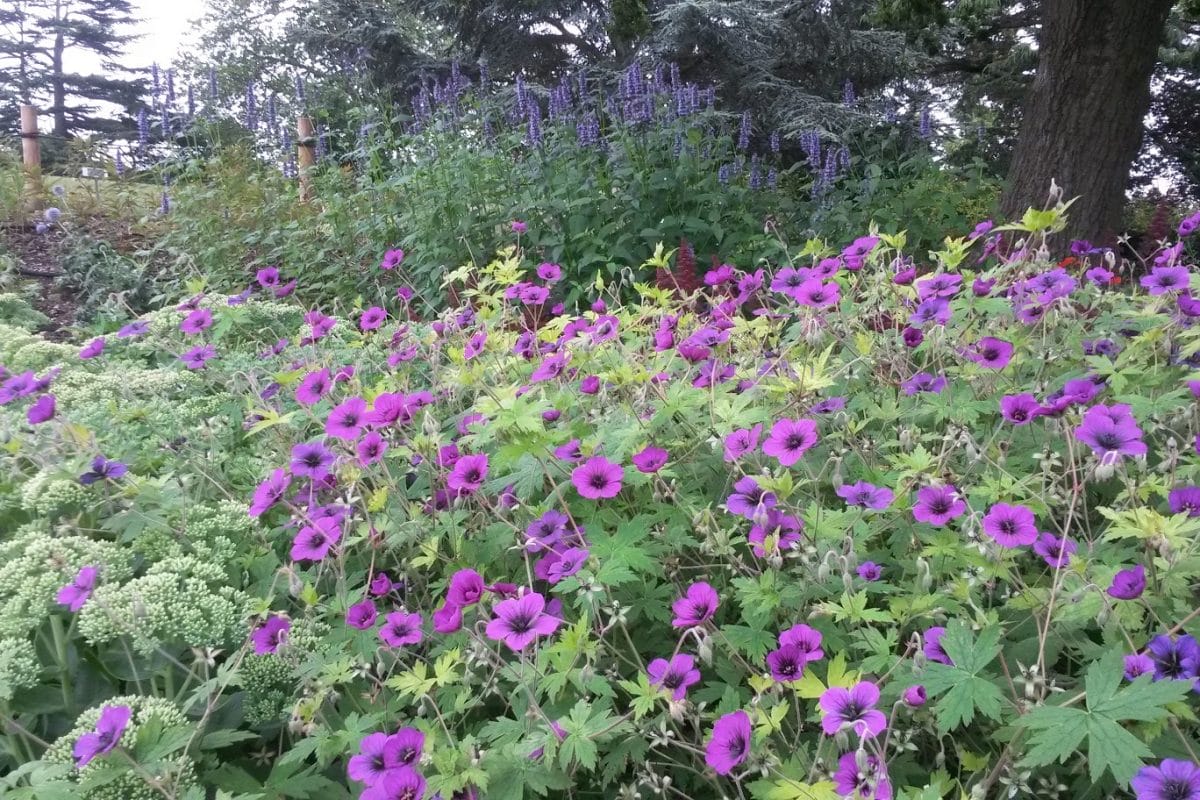
There are many different pollinators, and there is no one plant that is a good food source for them all, which is why variety is important.
What to plant?
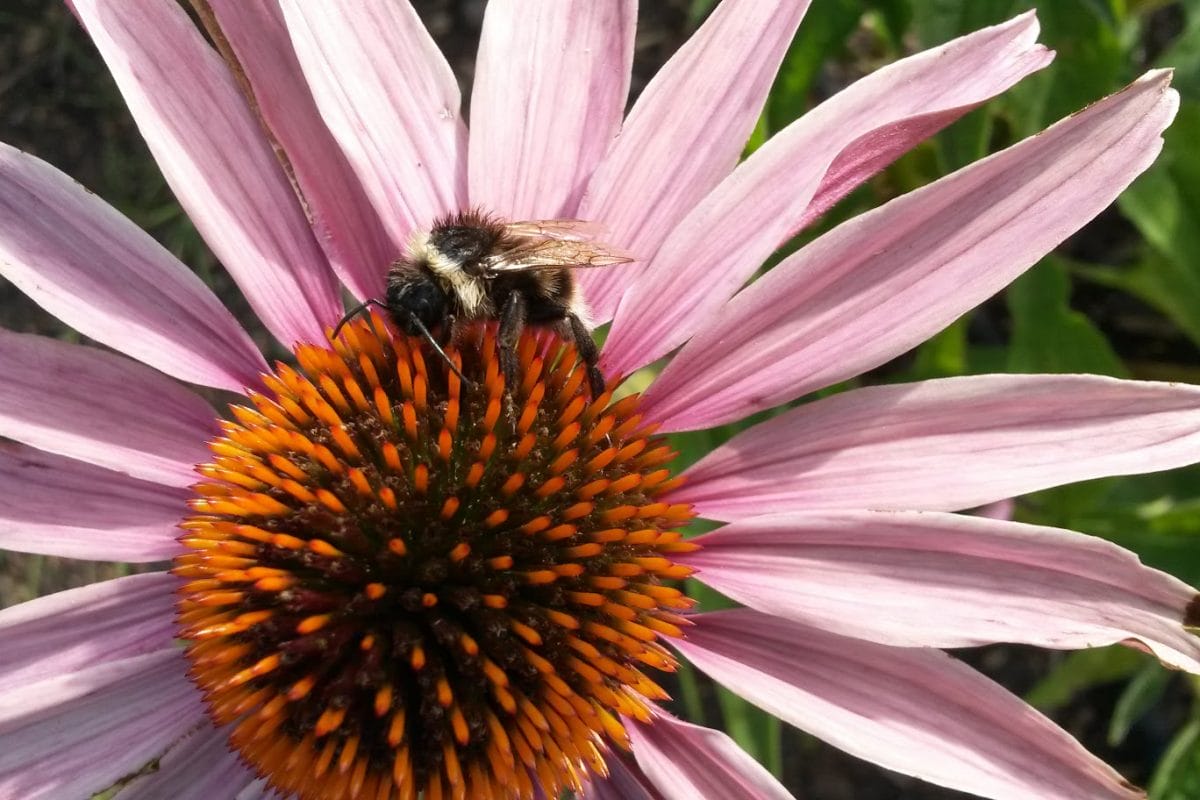
Some flowers, like those in the daisy family, are popular with a variety of pollinators. The flower head is made up of many small florets, each one a nectar source for the insects. This includes flowers like the Echinacea purpurea (Purple coneflower), and the Echinops ritro Veitch’s Blue (Southern globethistle).
There’s a great list of pollinator-friendly plants on the Royal Horticultural Society website.
Think about the shape
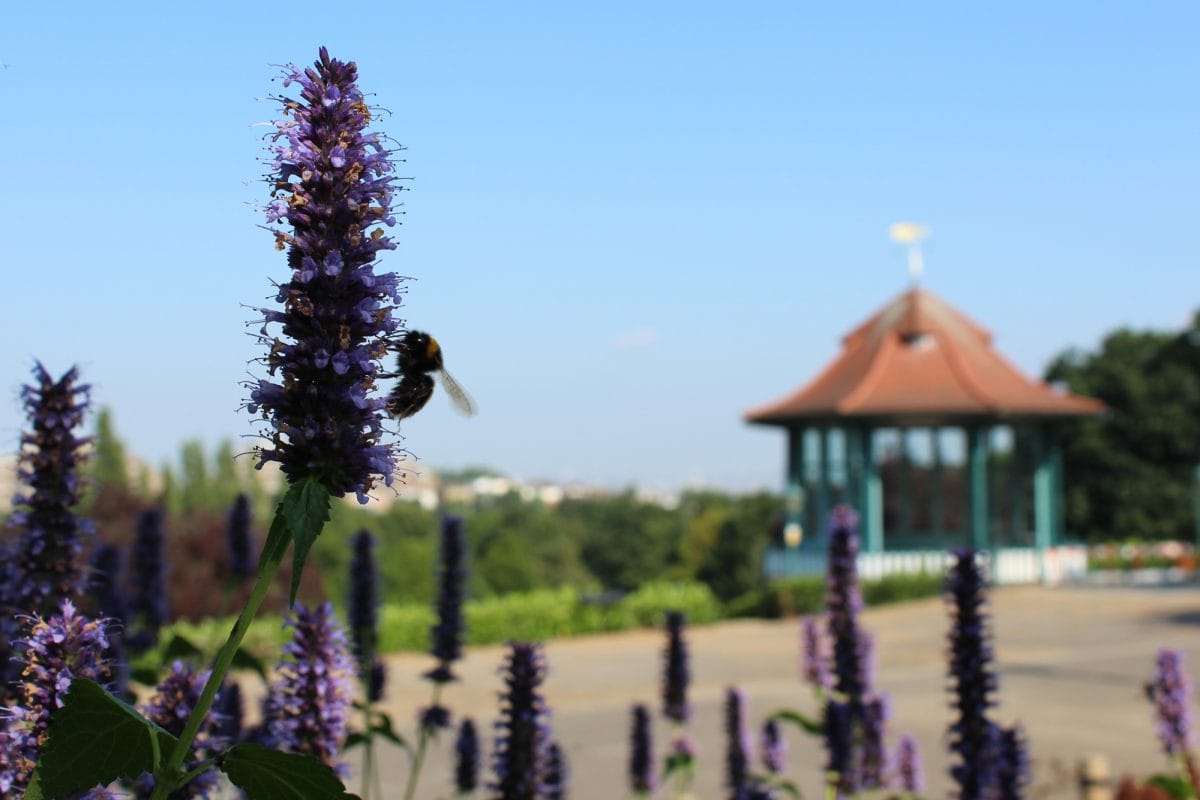
Not all flower shapes are simple. The Salvia guarantica ‘Black and Blue’ (Hummingbird sage) has lipped flowers with long tubes. Bumble bees and solitary bees use the lip as a landing platform and push their heads inside the flower to reach the nectar, coming back out with pollen covering their back.
Others, such as the Lychnis chalcedonica (Maltese cross), have their nectar deep inside a small tubular centre to the flower, which moths and butterflies are able to access with their long thin tongues.
When will they flower?
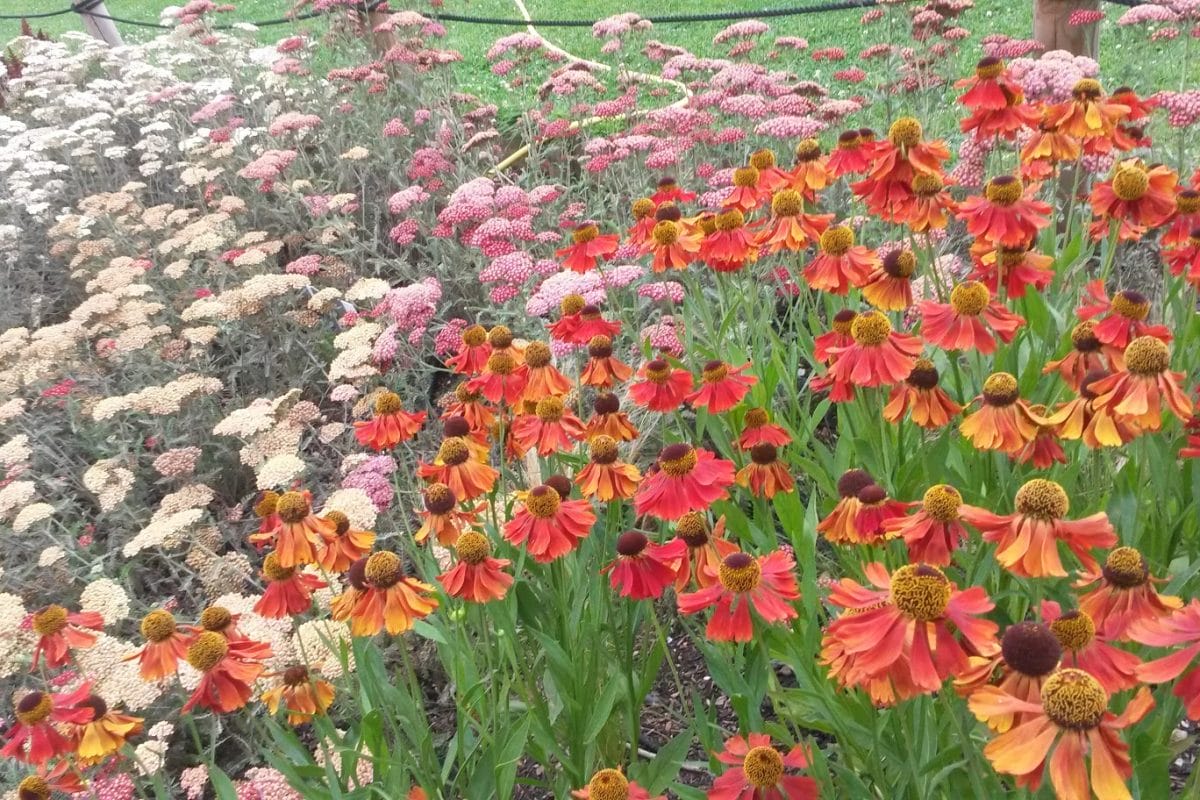
As well as planting a variety of different plants, it’s a good idea to try and create a display that has a long flowering season – especially early and later in the year, when alternative nectar sources might be scarce. You could even plan your garden so that something is flowering each month of the year.
Winter/spring bulbs like Crocus, Galanthus nivalis (Snowdrop) and Eranthis hyemalis (Winter aconite) can provide a food source early on in the year, while plants such as Salvia and Rudbeckia (Coneflower), that continue flowering into the late summer and early autumn, cover the other end of the year.
When flowers do die off, leave the seed heads as they are. This will provide food for other pollinators, like birds.
You might also want to include some night-scented flowers for insects that come out more at night, like moths.
Quick wins
As well as planting, there are other small things you can do to help pollinators.
- Don’t mow the grass as often. We regularly take part in No Mow May and leave areas of the Gardens to grow into meadows.
- Don’t use pesticides.
- Provide water. Bird baths or small dishes that collect rainwater are good.
Do what you can
By adding any of these plants to your garden, you’ll be doing your bit. You don’t even need much space. A window box full of spring bulbs or a pot with a couple of sunflowers in will be a welcome refreshment for the pollinators flying around your area.