


Can you tell us the story behind your photo in this exhibition?
The Farne Islands have one of the largest populations of grey seals in UK, with hundreds of pups born each autumn. Diving with these beautiful gentle creatures is one of the highlights of UK diving. The pups will sometimes approach divers, nibbling on fins, mask straps and camera gear.
How did you go about getting that shot?
I took this photo on a dive club trip to the Farnes in May 2017. The pup was one of a trio who joined us in a shallow bay while the other two kept their distance and can be seen in the background. This individual was especially bold, swimming alongside and mouthing the camera housing – perhaps seeing its reflection in the dome port.
How long did you have to wait for this shot?
Diving with seals can be hit and miss – on occasions the seals keep their distance and watch the strange, cumbersome bubble-blowing creatures from afar. When you encounter a particularly inquisitive pup however, the experience is unforgettable and results can be spectacular.
Did you use any particular equipment or software?
The photo is one from a series taken during this encounter. I was using a Nikon D3 with 15mm fisheye lens, in a Sea & Sea underwater housing, with twin strobes.
What are the difficulties of wildlife and nature photography that you face?
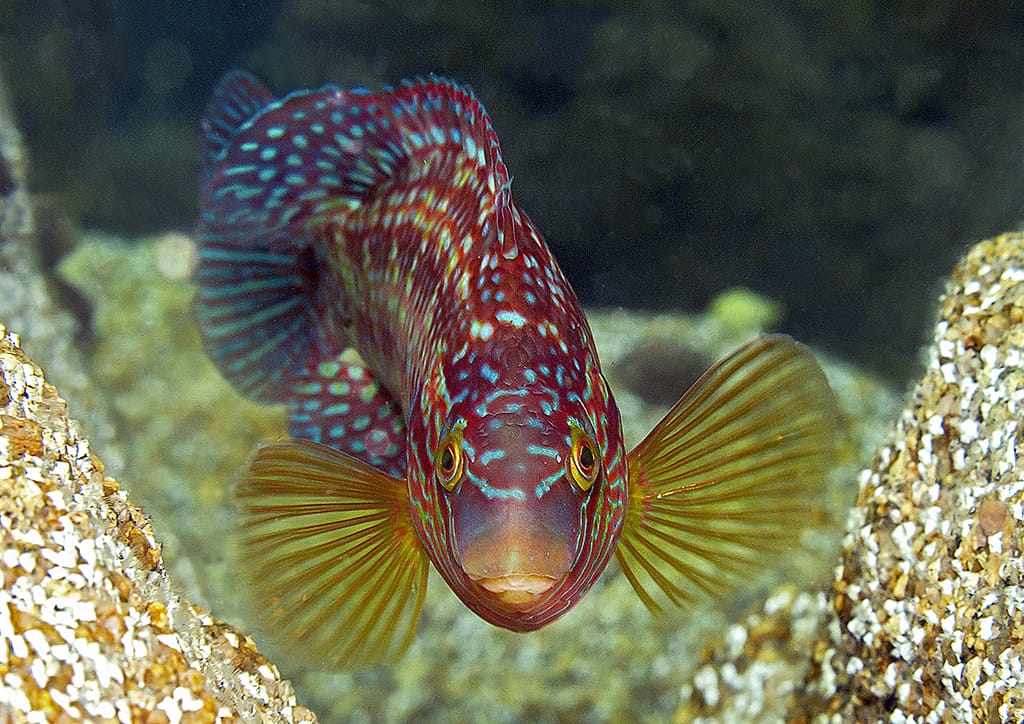
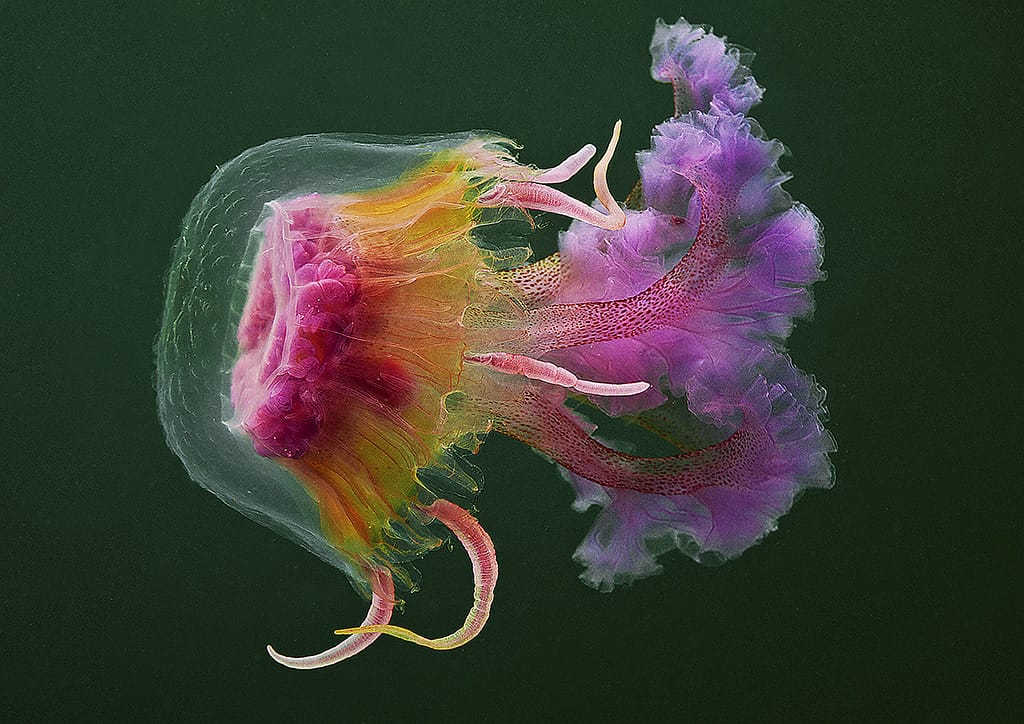
Diving in UK and Ireland is often quite challenging – bad weather, tides and poor visibility together with cold water add to the difficulties for the underwater photographer. Despite this, it is well worth the effort – with wonderful underwater scenery, wrecks and a rich diversity of colourful and strange marine life. Non divers are constantly amazed at what can be found a few metres beneath our seas and it is a pleasure to be able to showcase the sights we see underwater.
Underwater photographers should be comfortable in their diving, with good buoyancy control and a healthy regard for the underwater environment.
How long have you been a photographer and how did you get started?
Photography has been a hobby since my teenage years, a summer job enabled me to buy my first camera – the Pentax ME Super.
Rugby was my passion for over 30 years but once the knees gave out I decided to take up a long-standing ambition to dive and in 1998, joined the local dive club in Northwich – Hartford SAC. Several talented photographers in the club encouraged my interest in underwater photography and in 2002 I bought a second hand Nikon F90 film camera and housing, before joining the digital revolution a few years later. I use Photoshop to process the RAW images.
What would you advise someone wanting to start taking photos of wildlife or nature in their local environment?
The bulk of my diving is around UK and Ireland – especially Connemara in the west of Ireland, the west coast of Scotland and North Wales. I have dived further afield, including Galapagos, Revillagigado Islands and Sulawesi but the thought of lugging expensive, heavy kit on long haul flights puts me off.
What projects are you working on now or have coming up?
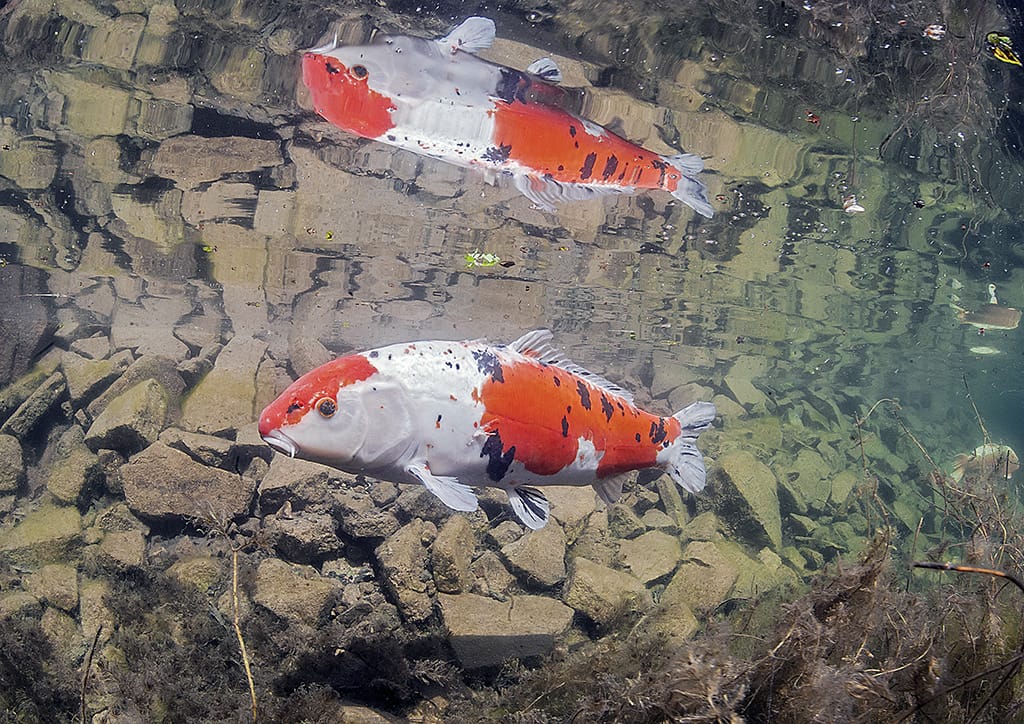
In the winter months diving is usually restricted to freshwater quarries and rivers and recently, Liverpool docks! These dives are useful for keeping skill levels up and practising techniques. Again, people are surprised at what can be found in these underwater environments.
Next year there are plans to dive Donegal and Connemara in Ireland, the Scottish lochs and the Farne Islands.
Mark’s Website: www.marknthomasimages.co.uk