


Can you tell us the story behind your photo in this exhibition?
Around 15 years ago, I erected an artificial nesting platform close to my home in the Cairngorms. Two years later an osprey pair moved in and have been there ever since. This is the male and I’ve been photographing him on and off for most of that time.
How did you go about getting that shot?
I’ve had a hide set up on a perch near the nest for a number of years but I really wanted to show the wider habitat so over a number of weeks I put a dummy camera on a tripod and gradually moved it closer to the perch, making sure each time that the osprey was accepting of this new element in the landscape. Eventually it was close enough to put in a real camera with a wide angle lens, which I activated using a radio transmitter from the nearby hide. The osprey was totally unfazed and allowed me to get a series of images showing the inter-dependence between the bird and the habitat on which it depends.
How long did you have to wait for this shot?
For this actual shot, not that long – a couple of hours maybe – but this is the result of many years work before I even got a chance to press the shutter. Wildlife photography is 90% preparation and just 10% execution – pressing the shutter is the easy bit!
Did you use any particular equipment or software?
Just a transmitter in the hide and a receiver fitted to the camera so that I could watch the osprey and then fire the shutter when he came into the perfect position.
What are your favourite scenes, species or motivations behind your photographs?
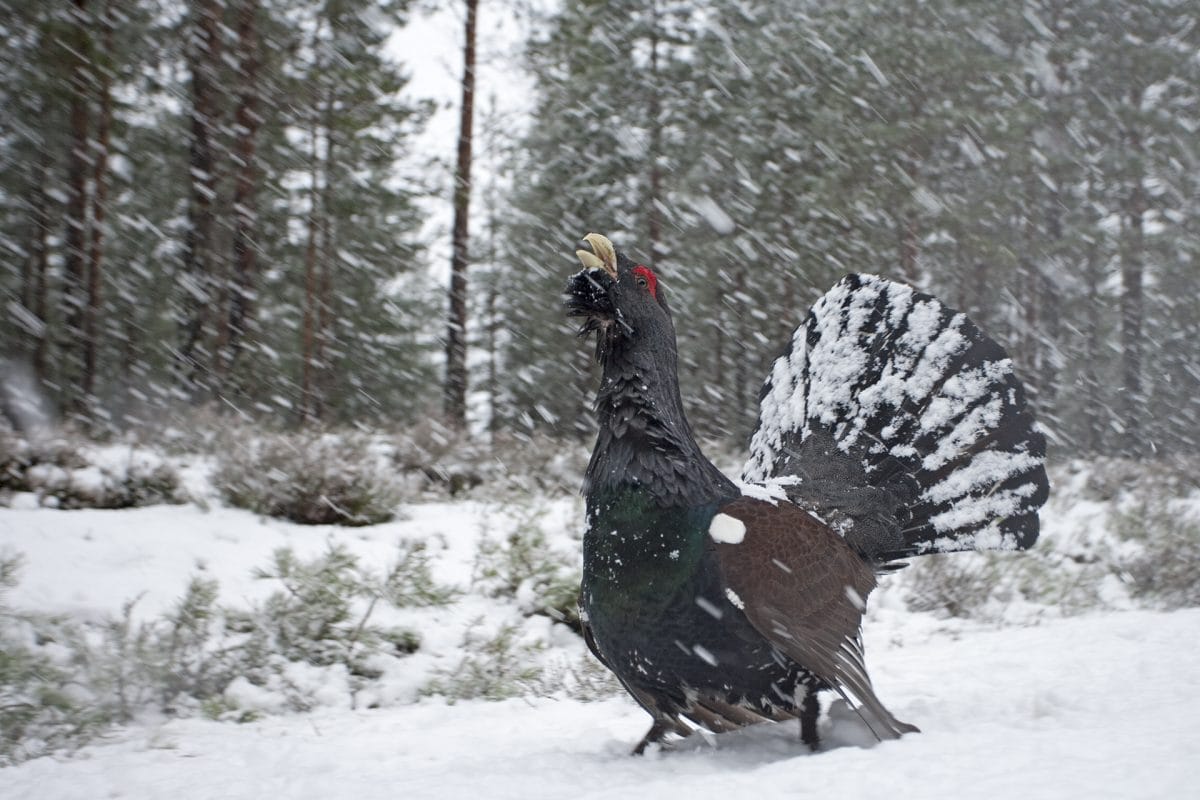
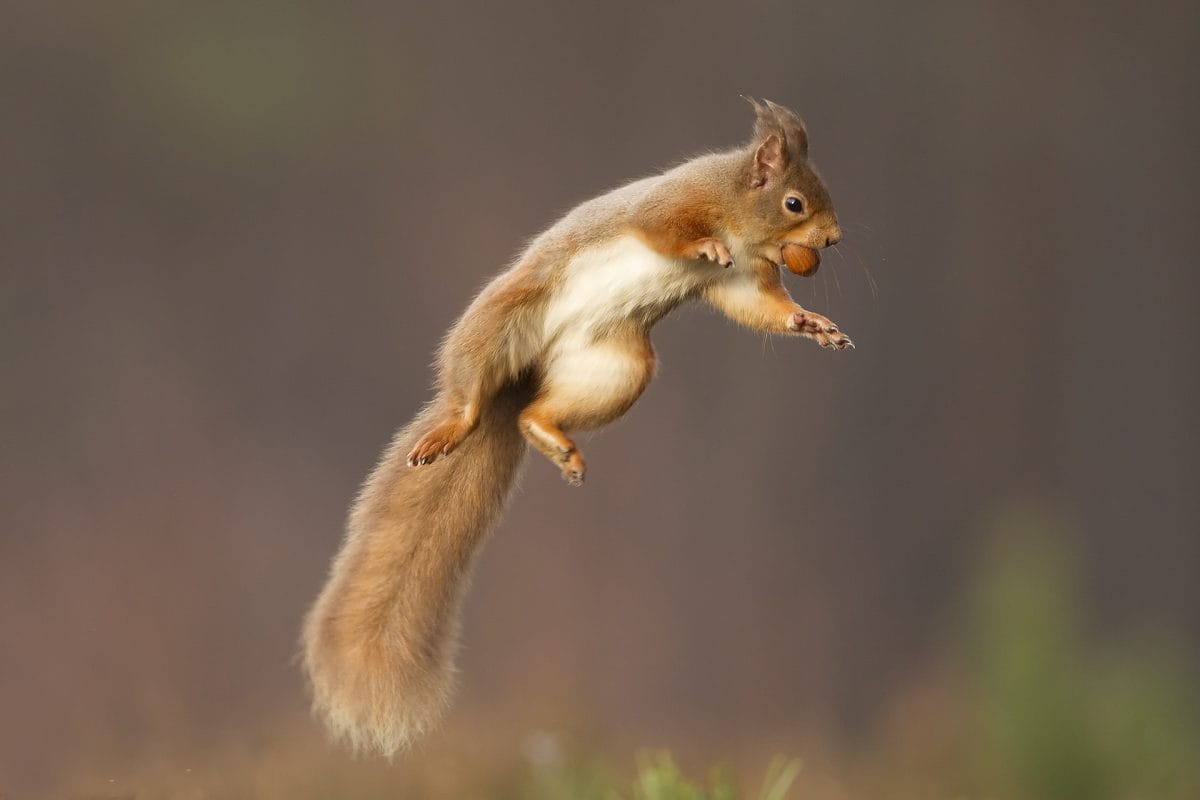
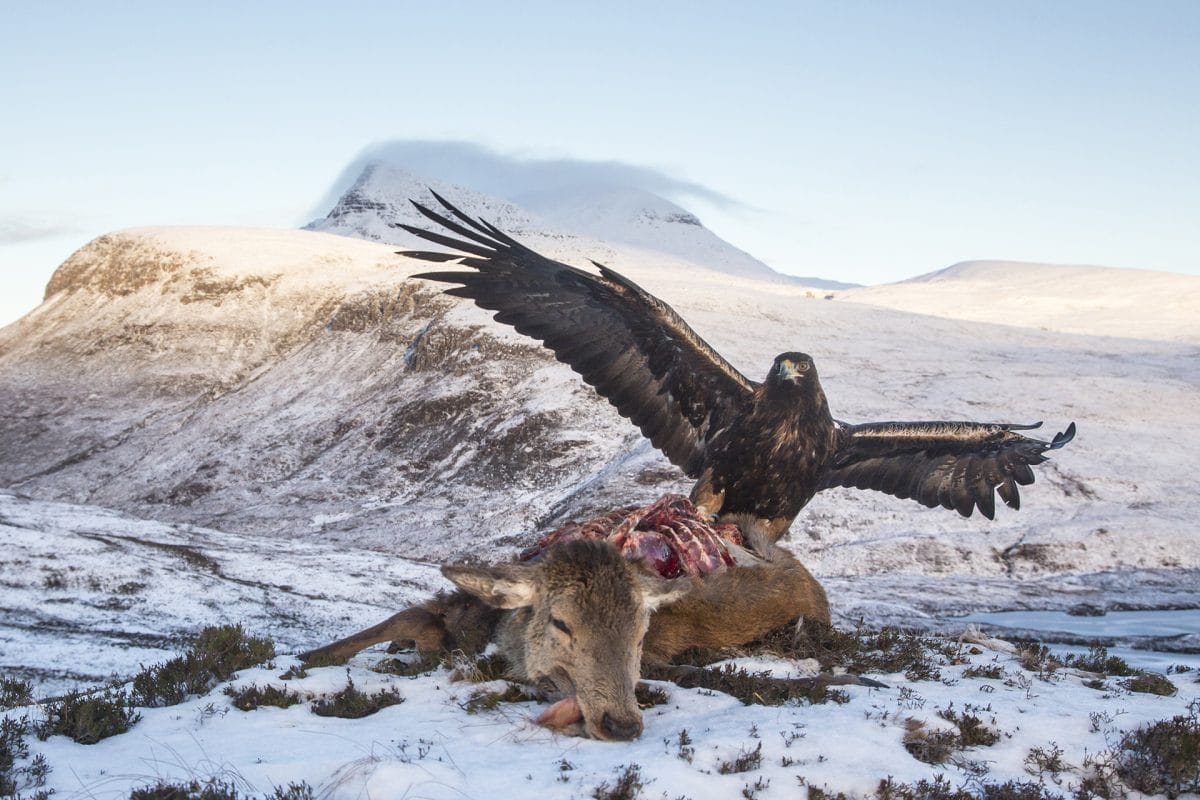
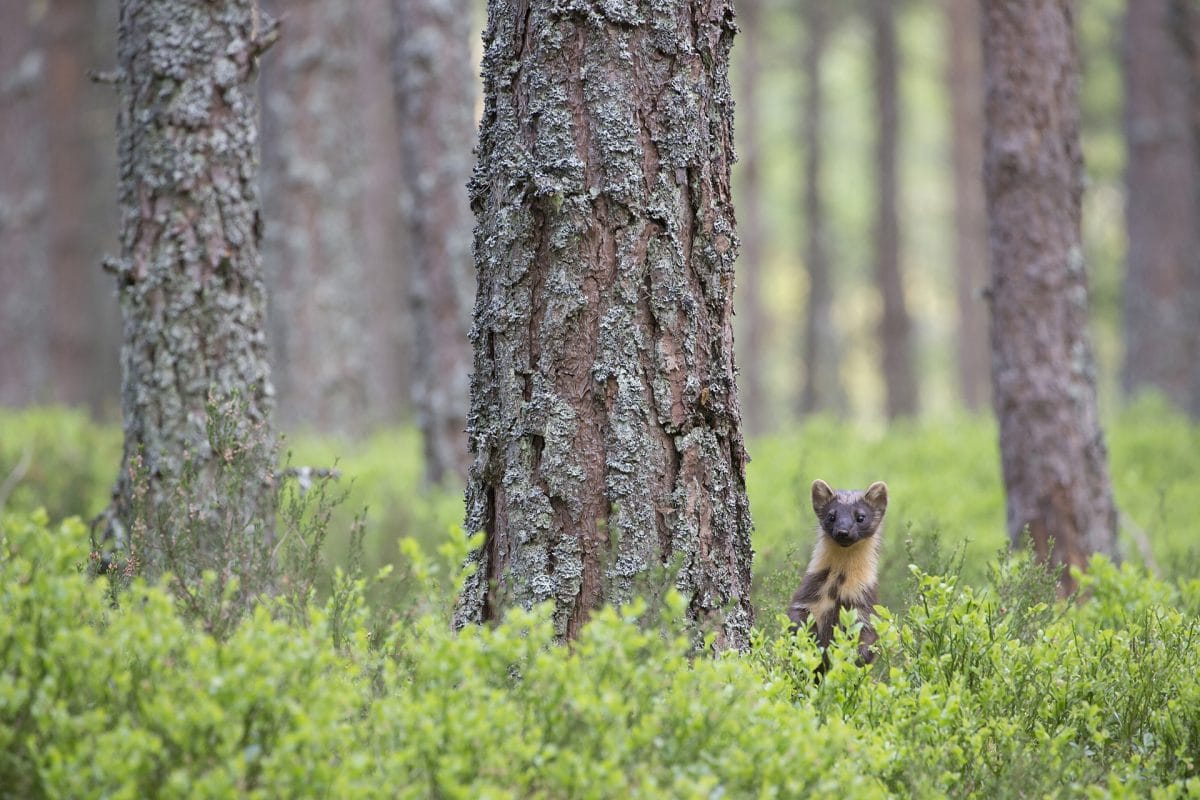
I’ve travelled quite a bit over the years but these days I prefer to work close to home in the Scottish Highlands, covering stories that relate to the growing momentum behind ecological restoration or “rewilding.” Britain is one of the most ecologically depleted nations on Earth and I want my photography to show how the country could be so much more – not only for the benefit of wildlife but human life too.
What are the difficulties of wildlife and nature photography that you face?
Where do I start? Scotland isn’t the Serengeti so getting close to almost anything takes time and planning. At a professional level, the business has changed beyond recognition so competition these days is intense and the standard of photography just keeps spiralling upwards. That’s why I tend to focus close to home on what I know and can photograph in depth.
What would you like people to think about when they see your work?
The great thing about visual imagery is that it transcends age, gender and background and can touch people on an emotional level. If you can tie spectacular imagery in with a compelling narrative, you have a very powerful communication tool. I want my images and the stories they tell to primarily inform but if they inspire as well, I feel my job is done.
How long have you been a photographer and how did you get started?
Typically I guess it was on an African safari back in the early nineties. I became a freelance in 1999. Since then, as I said before the business of nature photography has changed beyond recognition.
What would you advise someone wanting to start taking photos of wildlife or nature in their local environment?
Work locally – get to know the species and/or habitats that you have regular access to. Set yourself a challenge or a project. It might be documenting the wildlife of your local park or canal. Better still focus on a story – the life of a garden robin or a local conservation project. Try and avoid a haphazard, machine-gun approach – trying to cover too much leads to frustration. Above all however, enjoy your photography.
What projects are you working on now or have coming up?
With colleagues I’m totally focused on SCOTLAND: The Big Picture, a multimedia initiative amplifying the case for a wilder Scotland. Right now, I’m doing stories on wildcats and red deer.
Twitter – https://twitter.com/pcairnsphoto?lang=en
Facebook – https://www.facebook.com/PeterCairnsPhotography/
Instagram – @peter_cairns_photography