


What is a conch shell?
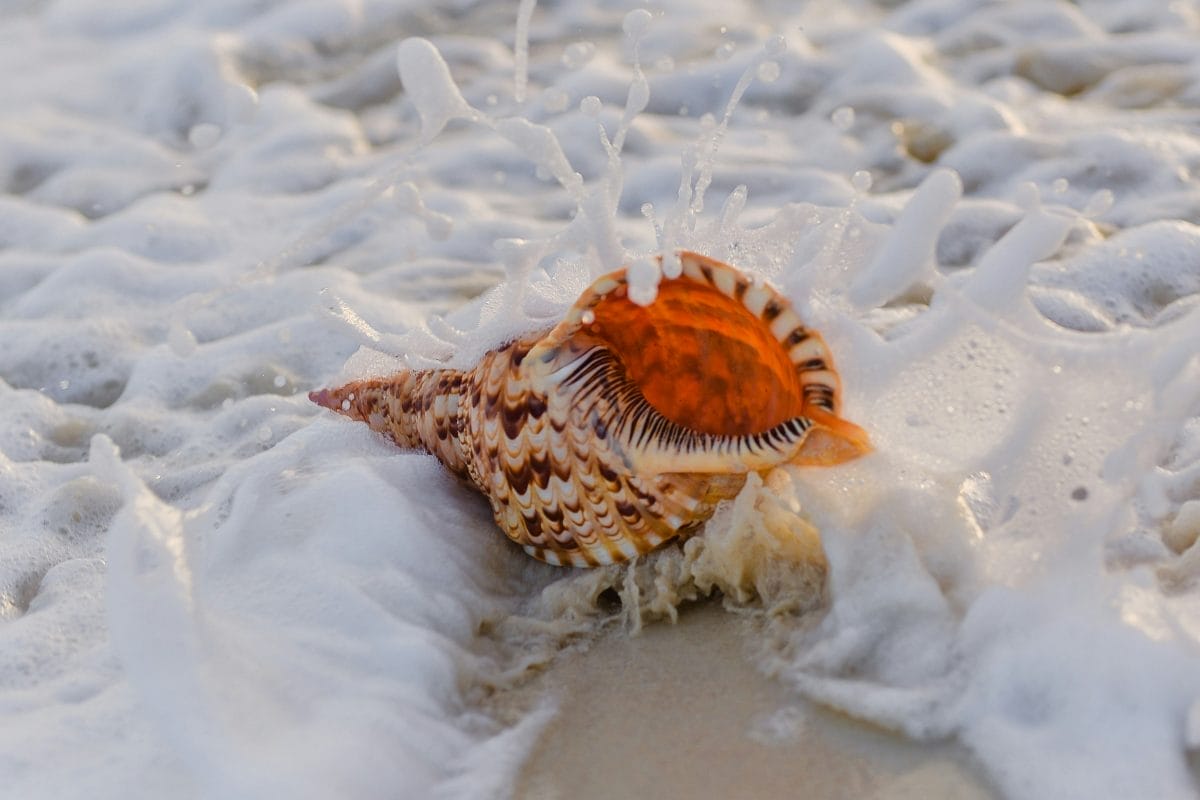
A conch is the spiral-shaped shell of a large marine mollusc. These molluscs are commonly called sea snails, belonging to the Strombidae family. Conch shells are famous for their smooth pink or orange interiors, and they have a variety of uses and symbolic meanings across different cultures.
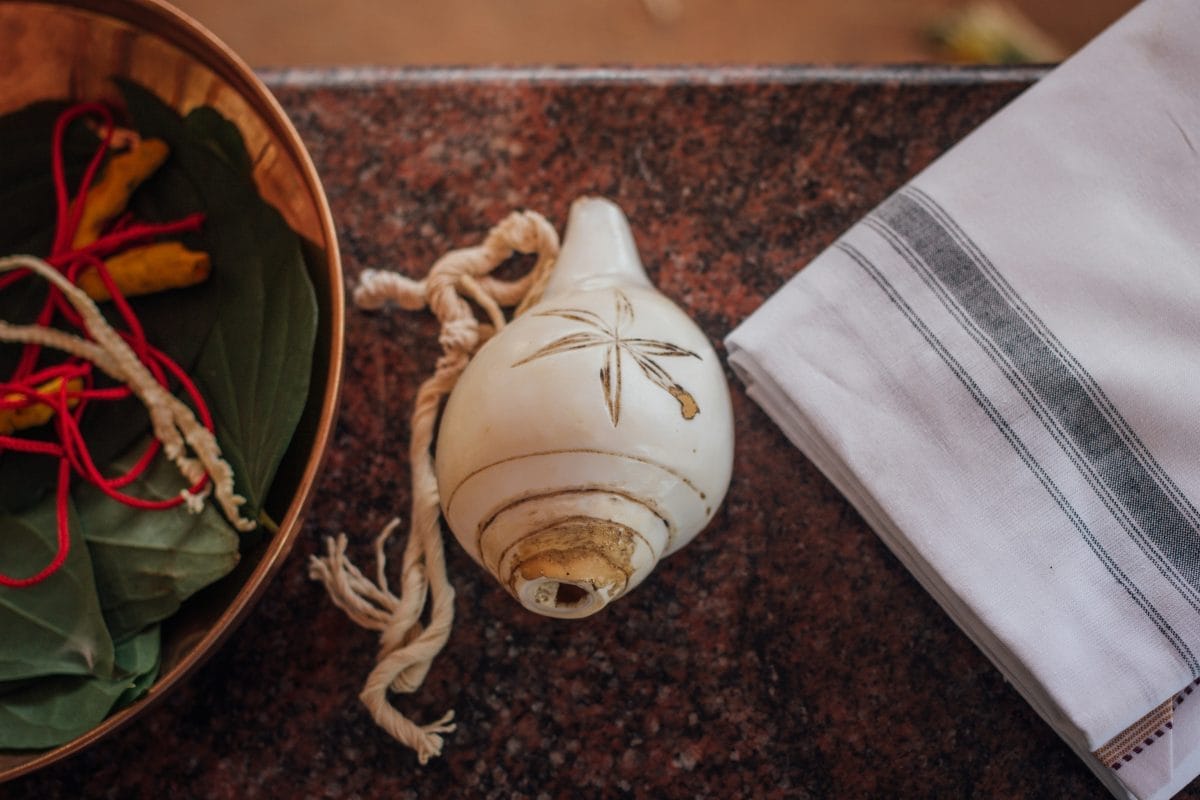
For example, the Shankha – also known as the divine conch – has importance in Hinduism as a trumpet and an emblem of Vishnu. In Buddhism, it is one of the eight auspicious symbols.
What do conches look like?
Conch shells are very striking and were often collected historically for their beauty as well as their musicality and religious use. This versatility may explain people’s fascination with them throughout history.
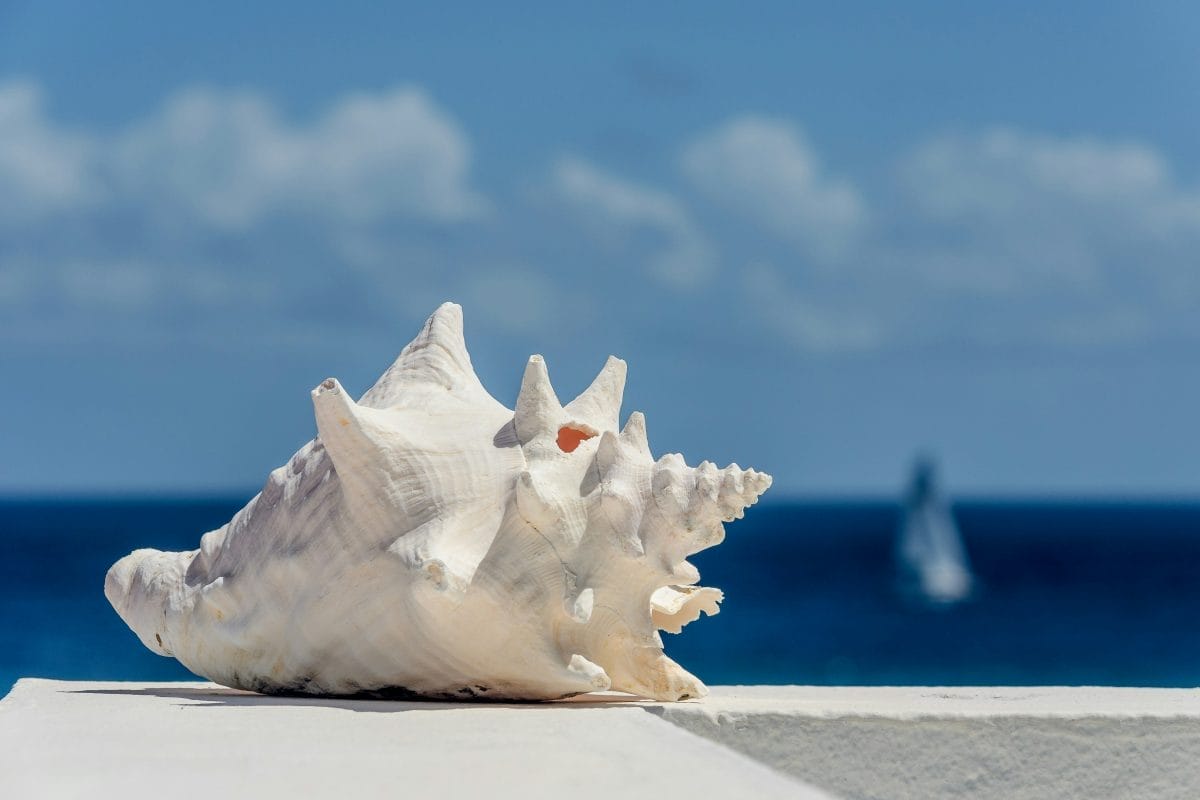
Conch shells have a large spire-top and a flared opening. Most have rough spines on the outside and a horned peak, but they come in all shapes and sizes.
The queen conch is perhaps the most iconic. They are very weighty with a pink interior and a flared lip. The thicker the shells lip, the older the conch is.
What are conches used for?
Conch shells are used for different things. They have symbolic significance but are also used practically around the world.
They are commonly used as musical instruments, modified to produce a loud horn-like sound, in Polynesia, Asia and the Caribbean. Although its specific symbolism varies, the loud sound is often said to ward off evil spirits or signal the beginning of battle in different cultures.
They have also historically been crafted as jewellery and ornaments, their unique appearance displayed in homes and as wearable art like necklaces and bracelets.
In India and Nepal, ancient Ayurveda medicinal practice use conches as a therapeutic tool for respiratory exercise. The deep inhalation required to sound the conch acts as an exercise that expands the lungs and strengthens the diaphragm. In Ayurveda, the conch shell is also purified and converted into a fine powder known as Shankh Bhasma. This is said to help the gut, treat bone deficiencies and help the skin.
Collecting conches from beaches in many places is now illegal, as certain species are under threat. The queen conch sea snail is one of the largest but is at risk from overfishing. Often the trading of shells is covered by international regulations (like CITIES) and in Britain, you can face a fine of £1,000 for removing shells from beaches, as this contributes to habitat loss and costal erosion.
Why do people blow conches?
Their usage as a horn or musical instruments is commonly associated with religious ceremony.
In Indian and Hindu cultures, conch shells are used in temple rituals and funerals. In Japan, they are used by Buddhist priests. In Polynesia, they signal the arrival of chiefs or for significant ceremonies. In Hawaii, it is sometimes used to signal sunrise and sunset.
What is the significance of a conch in popular culture?
If you have read Lord of the Flies, the conch shell has an important role.
The book is about schoolboys who become stranded on an island, and the loud conch sound is used by the boys to establish order and democracy. When the character Piggy is murdered and the conch shattered by a boulder, this represents the collapse of civilisation on the island.
The conch was also used as an instrument to score the film Alien, released in 1979, to create the sound of the derelict ship in space. Other recent soundtracks and scores that feature the conch as an instrument include The Lighthouse, The White Lotus and Where the Crawdads Sing.
Jazz trombonist Steve Turre used the horn of the conch to establish an eerie and foreboding soundtrack to his music and played as part of the Saturday Night Live band.
Where do you find conch shells?
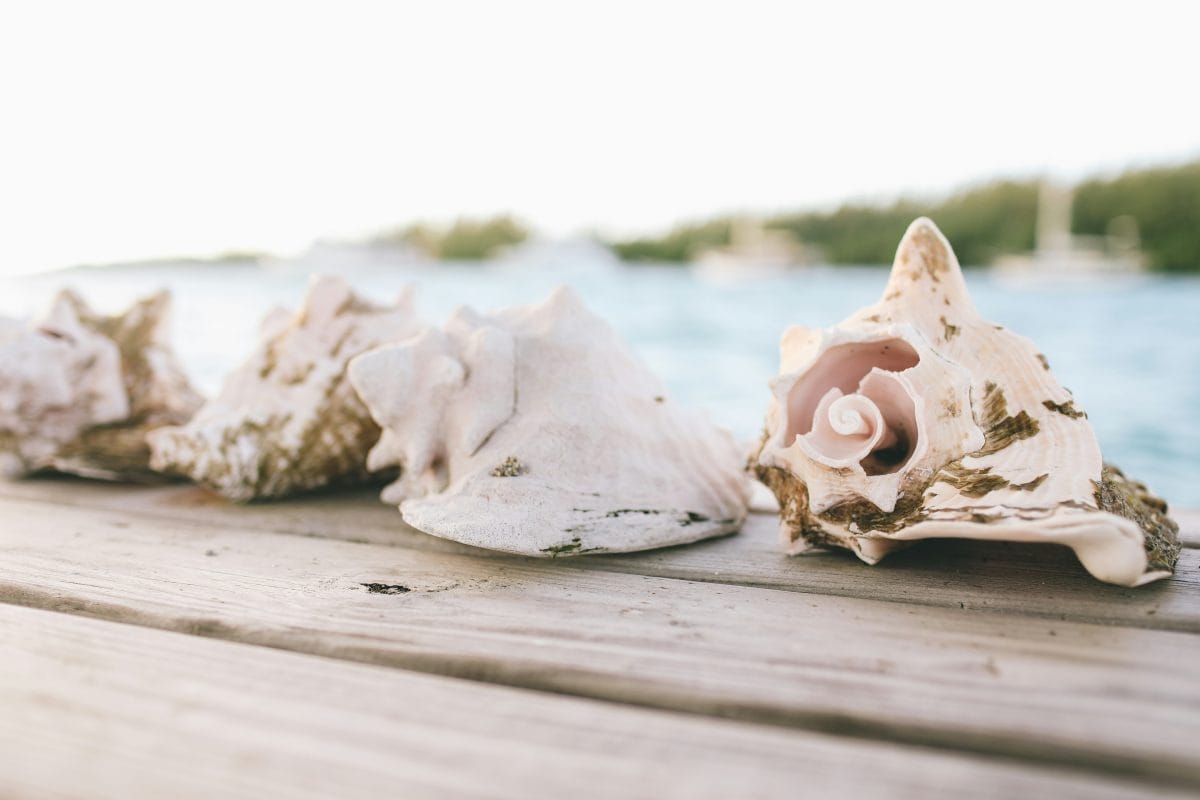
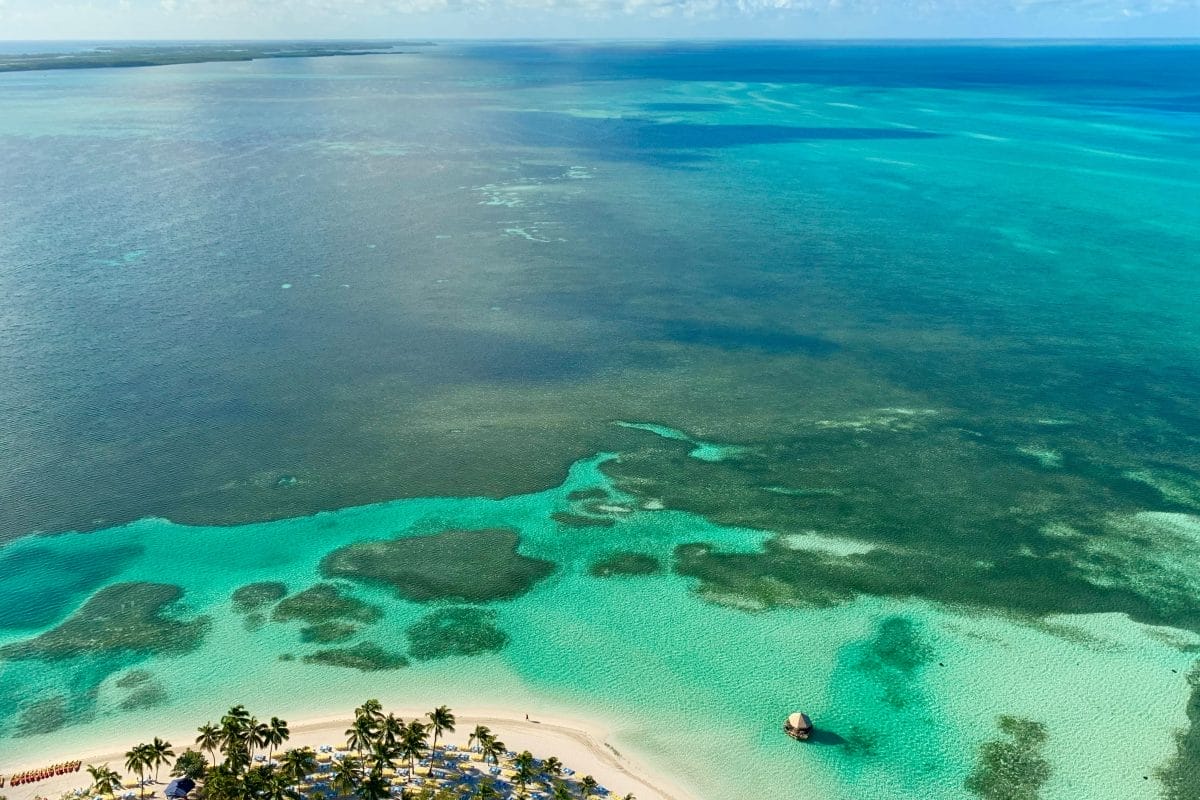
Conch shells are found in warm shallow waters and sandy beaches. They are often found in coral reefs and seagrass areas, and you’re most likely to find one during low tide.
They are most found in the Caribbean, specifically the Bahamas and the Gulf of Mexico. They are also prevalent in the Pacific, explaining their use in Polynesia, as well as the Mediterranean.
What is conch meat?
Conch meat is the firm white meat of a sea snail that is found in a queen conch. It is a delicacy in the Caribbean, and is the national dish of the Bahamas.
It has a sweet and fleshy taste similar to scallops or squid. Conch meat is quite tough, so it is typically pounded, ground or soaked in citric juices to tenderise.
What are conch fritters?
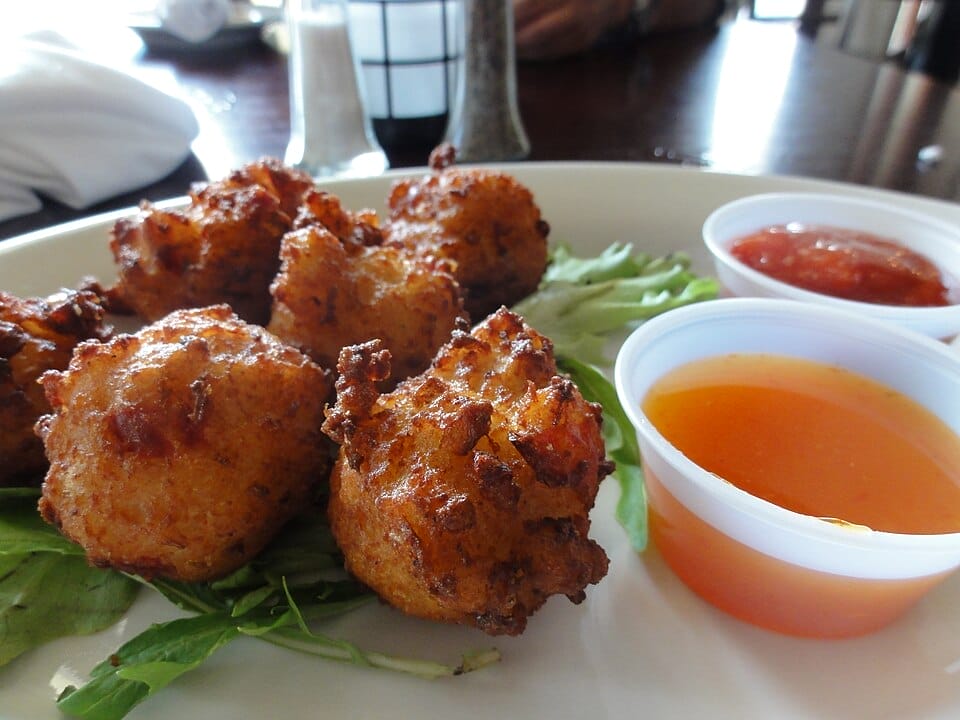
Popular in the Caribbean and the Florida Keys, conch fritters are deep-fried balls of conch meat mixed with a variety of vegetables, flavourings and batter. They are a common appetiser or bar snack and are often served with a dipping sauce.
Whilst they might sound delicious, conch fritters are probably not the fast food of choice for sustainably minded consumption, as their population begins to dwindle.
Are conches important?
The queen conch is an important part of ecological ecosystems in the Caribbean and beyond. They are a herbivore, and their disappearance would threaten the health of seagrass beds.
As common prey for sharks, turtles and octopuses they are a key part of the food chain.
They graze on algae which can otherwise smother coral.
They are also important culturally, as a cornerstone of Caribbean culture. There are even festivals in Turks & Caico, and the Bahamas that celebrate the conch.
The conch fishing industry also supports over 9,000 jobs in the Bahamas alone. Conch extinction would therefore have a human impact as well as a devastating impact on marine ecosystems.
Are conches under threat?
Yes, as of 2024 the queen conch is listed as a threatened species under the Endangered Species Act. This is primarily due to overfishing and habitat loss.
Conches require a high population density to reproduce, and when their population begins to dwindle, they stop reproducing. This is because they are slow-moving animals that rely on internal fertilisation, which therefore means they require direct physical contact. The overfishing of conches could lead to a rapid decline.
Fisheries in the Florida Keys closed in the 1970s, and it is illegal to harvest them in. Yet the conch population never recovered.
Researchers have warned that without monitoring, Caribbean conch populations could be effectively extinct within 10–15 years.
How can we help the conch population?
There is some hope, and several researchers are taking steps to address the threat to conch populations in the Caribbean.
One solution is to fish for the shells more sustainably by only removing the older conch shells from the ecosystem. This gives the younger shells time to reproduce in the water. Young and old conch shells are easily differentiated by their size and weight.
One issue is that there are currently no rules about exporting conches, with tourists taking home the shells as mementoes from their trip.
Another solution involves moving the conch from shallow waters to cooler, deeper waters where there are many more potential mates.
There is a suggestion of banning conch exports in the Bahamas specifically. However, any regulation comes at a cost to the fishing industry, as well as needing to be weighed against their cultural significance.
that the conch population in the Bahamas can be saved, but action needs to be taken before it is too late.