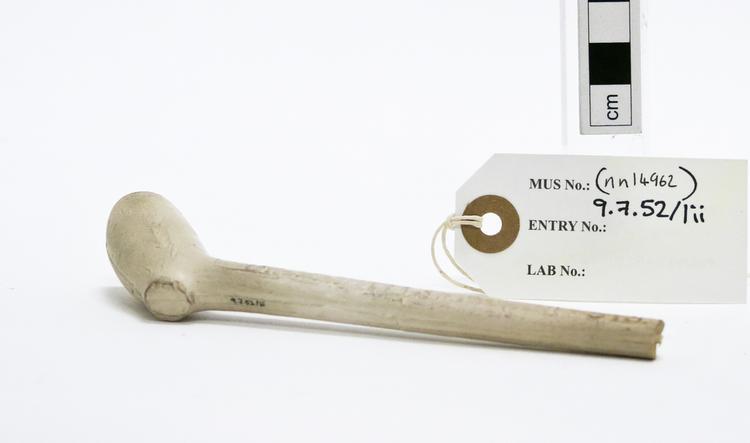
Sage
Sage has a long history of folklore and superstitions, sometimes believed to bring good luck, bad luck and even good looks.
The origins of sage burning, often referred to as ‘smudging’, appear across various histories and cultures, but is particularly prominent in some indigenous American traditions. It typically involves the burning of white sage, the smoke of which is said to purify spaces, cleanse the spirit and connect oneself with the spirit world.
The practice has also been adopted by some contemporary Pagans and New Age practitioners, though this has raised concerns about cultural appropriation.

sample (ritual & belief: ritual apparatus)
Anthropology

sample (ritual & belief: ritual apparatus)
Anthropology
Apples
Apples also have lots of symbolic significance in folklore traditions, particularly in the UK.
The obvious imagery is rooted in Christianity and the story of Adam and Eve, connected with negative undertones of temptation and sin. However, in British history, apples are sometimes associated with more positive themes of health, friendship and love. As the popular sayings go, ‘an apple a day keeps the doctor away’, and ‘the apple of my eye’.
The tradition of wassailing, an ancient custom of blessing apple trees, is also said to bring harvest, warding off bad spirits. Wassailing is a high energy celebration of singing, dancing and is traditionally practiced in cider-producing communities across the west country.
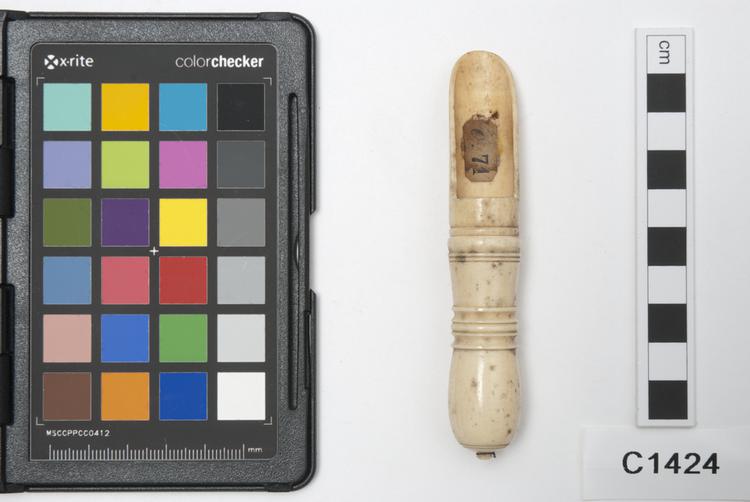
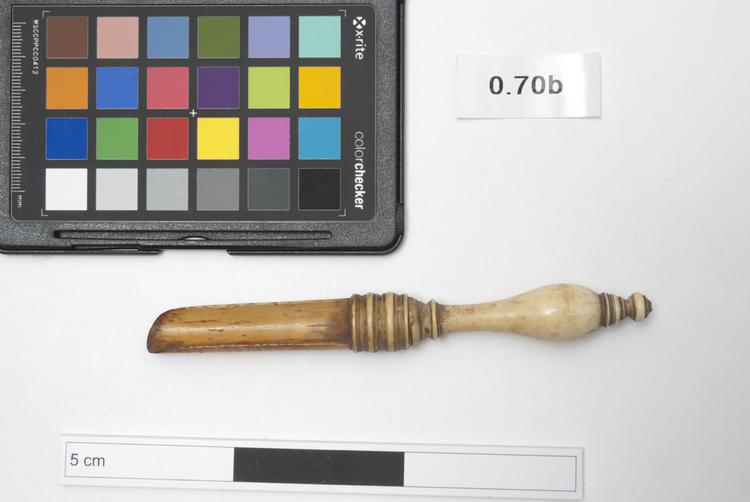
Garlic
Most of us will associate garlic with the mythical notion of repelling vampires. These stories were likely constructed around long-held folklore tales, prevalent across the world.
Through history, there is evidence that various cultures associated garlic with healing and protection. There are countless examples, including Aristotle citing garlic as a cure for rabies in Ancient Greece; workers being fed garlic for strength during the construction of the pyramids, and other heavy labour; and garlic planted in the thatch of cottages in some Gaelic traditions to ward-off evil spirits.
Fascinatingly, some of these cultures will likely not have come into direct contact with one another, but have still drawn similar conclusions about the power of garlic in protecting the human and their spirit. Now, modern studies have backed up that knowledge with the role of garlic in fighting disease and boosting the immune system.
Rowan trees
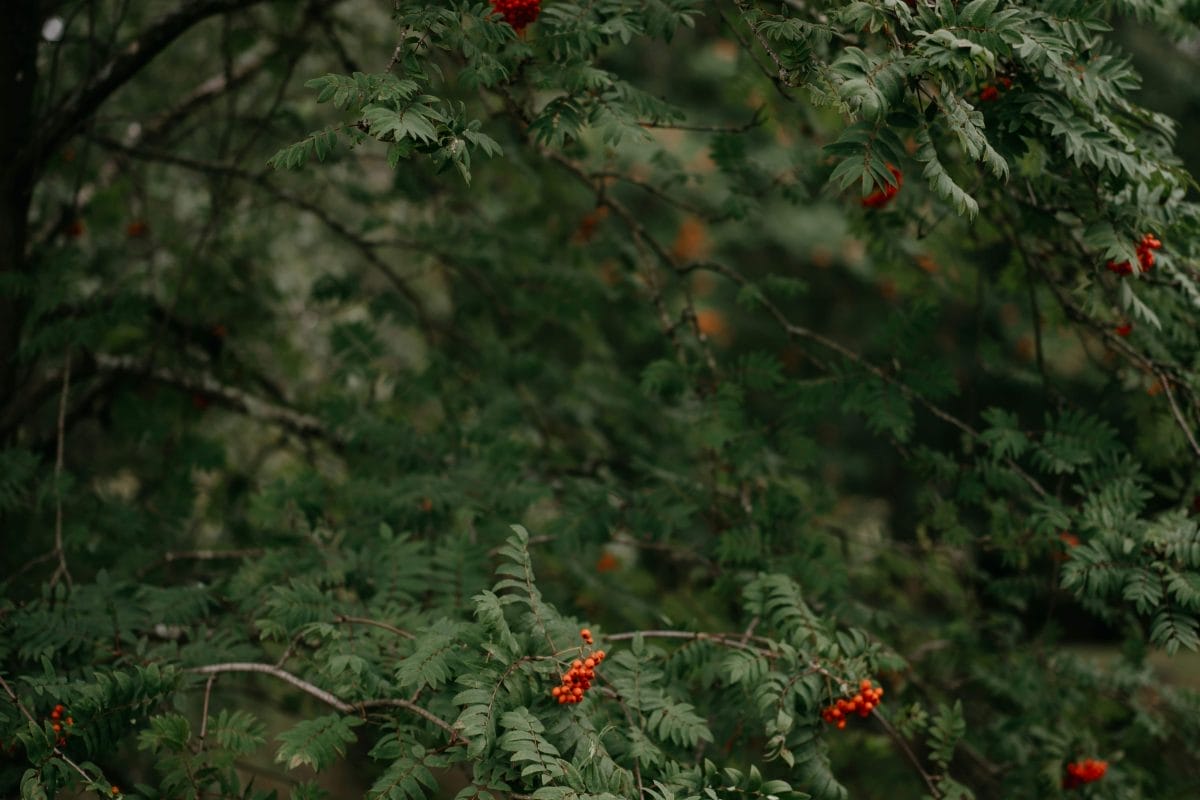
In Celtic and Norse traditions, the rowan tree is ever present throughout folkloric history. Rowan trees were often planted in homes and graveyards, and were thought to ward off malicious spirits.
In Norse mythology, the Viking god Thor is said to have been saved from being carried away by a river tide by the power of the rowan tree. Druids believed the rowan tree to be a portal between worlds. In the Scottish Highlands it is sometimes considered taboo to cut the trees down because they were considered sacred, and using any part of the tree except the berries was considered bad luck
Rowan trees have characteristic bright red berries, with the colour red often associated with life-giving, protective virtues. It is likely the association is made with its similarities to the sun, fire and blood. It is also a standout colour, grabbing attention and so was perhaps thought to alarm and scare away evil forces.
Foxglove
In some European traditions, foxglove is said to have magic properties.
In Welsh folklore, foxglove beds are considered a hot spot for fairies to play or rest. Fairies are ever present in British folkore as supernatural and sometimes monstrous creatures. Fairies were said to hide within the foxglove flowers. The light spotting that sometimes appears on foxglobe petals was said to be fairy fingerprints. Their bendy stems, most likely caused by the wind, was thought to be the foxglove bending to the might of the fairies.
A Greek myth also references the foxglove, which is native to Southern Europe, suggesting that the Greek goddess Flora used foxglove to help Juno conceive Ares, brushing the plant against Juno’s breasts and belly.
Mugwort
Mugwort is another plant with a rich folkloric history, with a variety of uses going back to the Middle Ages in Europe.
Like many of the foods and plants ever-present through folklore, mugwort was thought to fend off evil spirits. Mugwort was also heavily associated with sleep and dreams. It was upheld for its ability to induce vivid or prophetic dreams and often kept under pillows or burned at night. It is likely that this came from its mildly psychoactive properties.
Mugwort has also traditionally been used in women’s health, its botanical name Artemisia being a link to the Greek goddess Artemis, of childbirth and wilderness. It was initially used as a medieval medicine to help ease menstrual cramps and regulate the menstrual cycle.
When eaten, the plant is said to cause gentle contractions of the uterus, which promote a regular cycle and even induce labour. It is still used today as a natural option for treating menopausal symptoms.
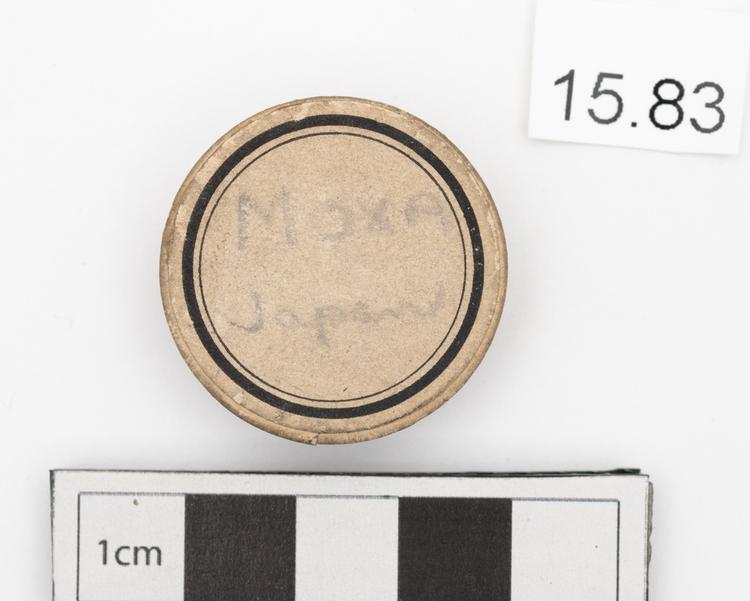
medicine sample (medical science)
Anthropology
Angelica
Similar to mugwort, angelica was also connected to dreams and seen as a portal to the spiritual realm. It is also a traditional remedy against witchcraft and evil.
Again, its name is rooted in Greek mythology, with the word Angelos, meaning ‘messenger’ and ‘angel’. The plant was said to communicate with angels, ancestors and spirits. People would carry angelica in a locket, or keep it by the windows of their home, creating a border where negative energy cannot pass.
It is also used as traditional medicine in a variety of ways. In Chinese medicinal history, it was seen as general pain relief including for menstruation. In Christian cultures, it was revered as ‘The Root of the Holy Ghost’ and used to treat digestive and respiratory problems as well as disease.