


The origin of fireworks
Fireworks originate from China. The ancient practice of exploding bamboo sticks to ward off spirits meant there was a pre-existing intrigue in explosives, and in the 9th Century Chinese alchemists discovered gunpowder. Mixing saltpeter, charcoal and sulfur, artisans began packing gunpowder into paper tubes to create shapes and effects. From here, you could say that fireworks really boomed!
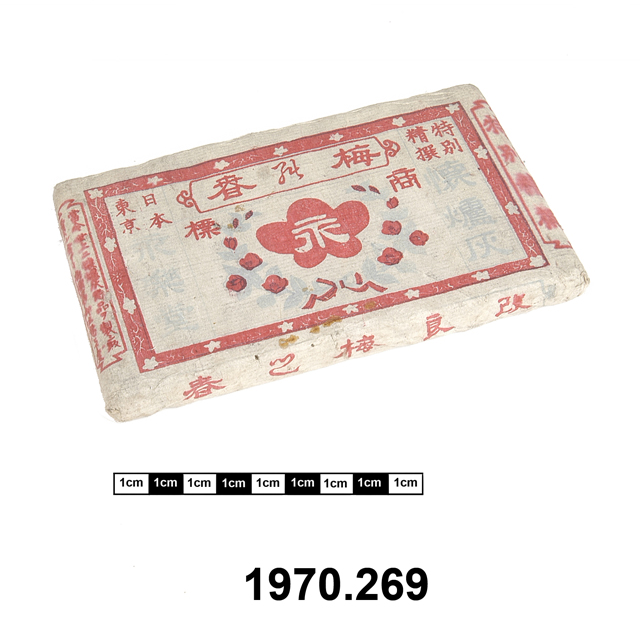
firework
Anthropology
Fireworks are an important part of Chinese culture and a common feature of large festivals such as Lunar New Year. They are thought to drive away evil.
There are some examples of fireworks being used in Chinese warfare, including fire-arrows, scaring opposition with their loud bangs, and using the explosions to hoard rats towards their enemies.
The Chinese legend of Nian says that an evil creature emerges and attacks Chinese villages during Lunar New Year, with fireworks said to warn this beast away. Now, elaborate and spectacular firework displays are synonymous with Lunar New Year, and they have come to represent celebration, renewal and the triumph of good over evil.
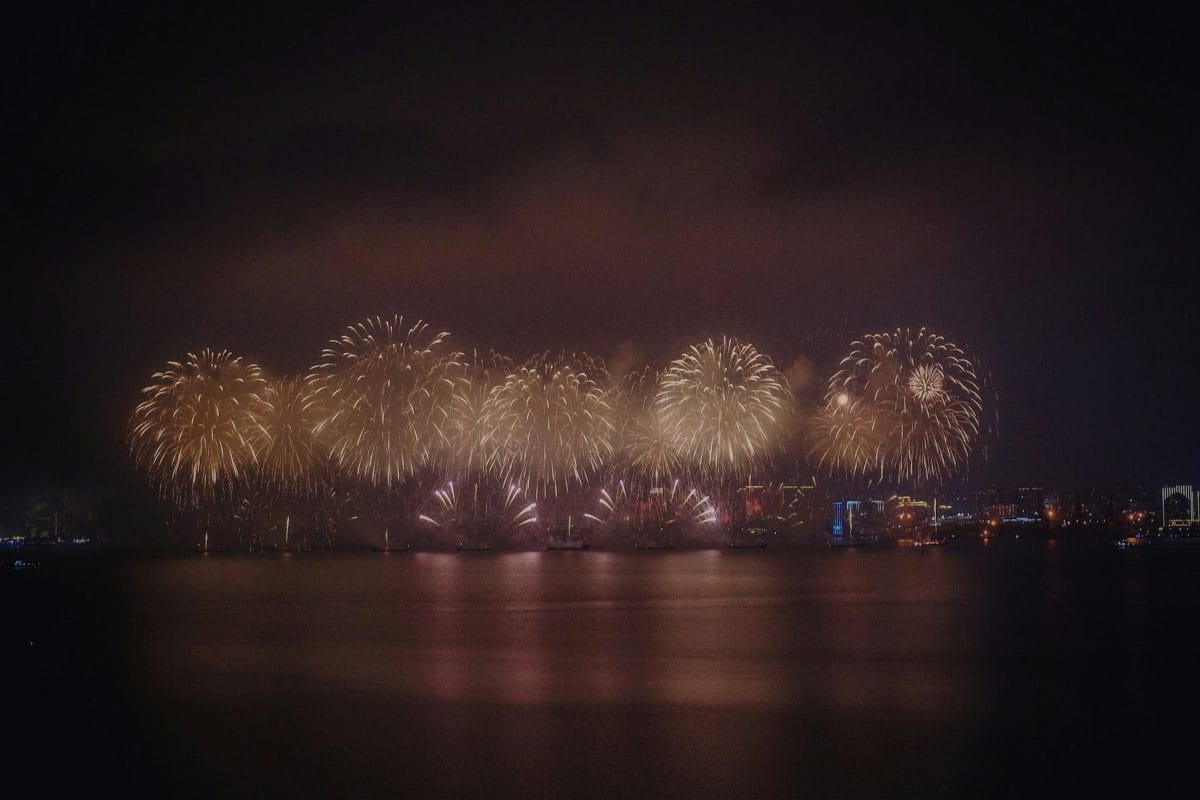
However, in 2017, China implemented changes to firework restrictions to better protect the environment against pollution and destruction. In 2009, an unsanctioned fireworks display caused destruction to the Beijing Television Cultural Centre. This led to public outcry, and fireworks in 444 major Chinese cities were completely banned. Traditionalists have pushed back, and now restrictions are more commonplace than total bans.
Fireworks reach India
In the 15th century gunpowder entered the Silk Road trade network from China – explosive technology had reached India.
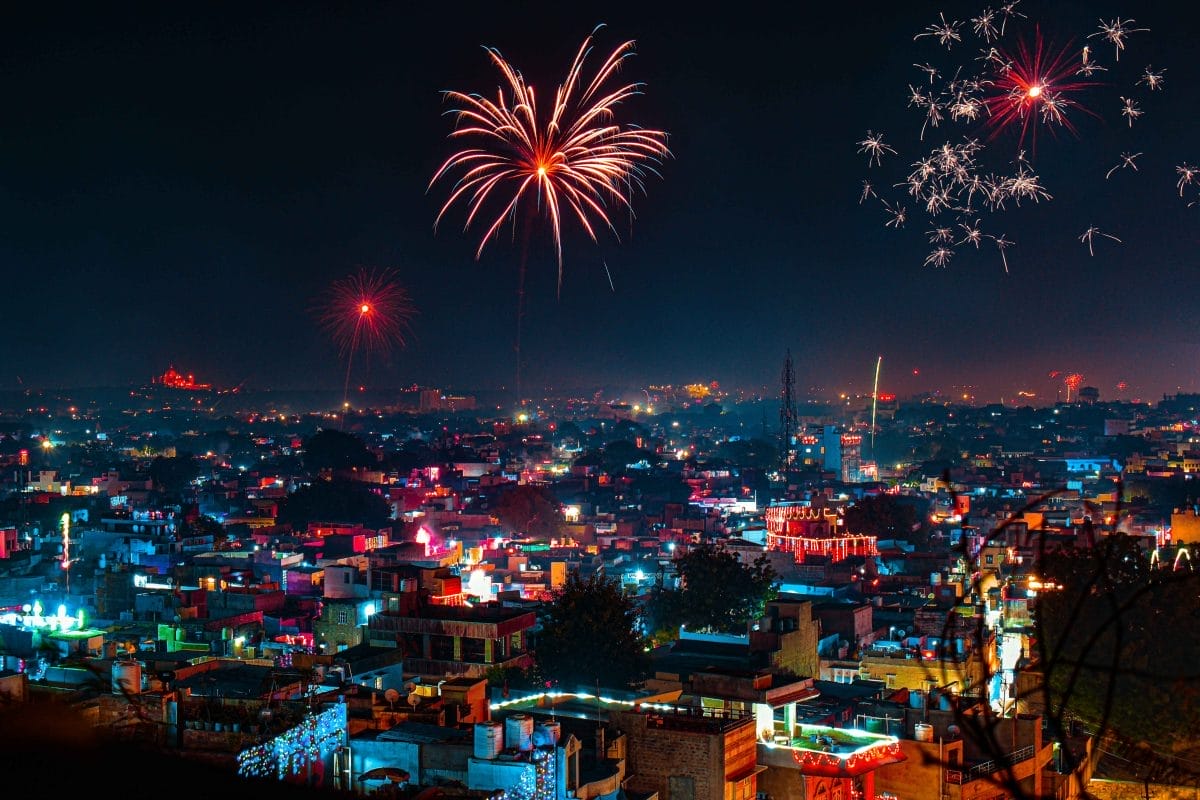
India adopted fireworks for their ability to light up a celebration, and they are commonly used for festivals such as Diwali and guru birthdays.
Diwali, the Festival of Light, celebrates the return of the Lord Rama, a symbol of virtue. Rama’s return represents a victory of light over darkness, and every autumn the streets and skies are lit up with bright candles, paint, and of course, fireworks!
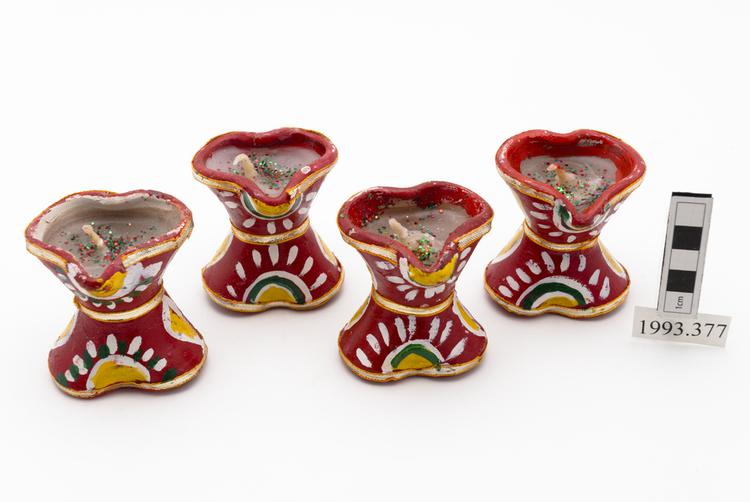
candles (ritual & belief)
Anthropology
Bonfire night in the UK
In the UK, there is an entire winter evening dedicated to fireworks to mark the foiling of Guy Fawkes plot to blow up the Houses of Parliament.
In the 17th century, King James I ruled a majority Protestant England. Meanwhile Catholic convert Guy Fawkes and his associates intended to restore a Catholic king to the throne. On 5 November 1605, Guy Fawkes was caught guarding gunpowder beneath the House of Lords. He intended to use this gunpowder to blow up the Houses of Parliament and kill the King.
The unravelling of this plot as well as Guy Fawkes’ subsequent torture and hanging led to widespread celebration across London, where people were encouraged to start orderly bonfires in homage to the King’s survival of an assassination attempt.
By the 1650s, these bonfires were accompanied by fireworks and Gunpowder Treason Day became the predominant English state commemoration. Revellers would burn effigies of the pope and Guy Fawkes, symbols of the Catholic threat to the throne. Historians have suggested that this day became a Protestant replacement for traditional Celtic festivals All Hallows Eve and St. Martin’s Day.
The symbolism of fireworks in the UK has broadened in recent times. Lewes is famous for its rowdy and anarchic celebrations, dating back to the 1840s. where police were drafted to Lewes to address the fireworks and rioting from the ‘Lewes Bonfire Boys’.
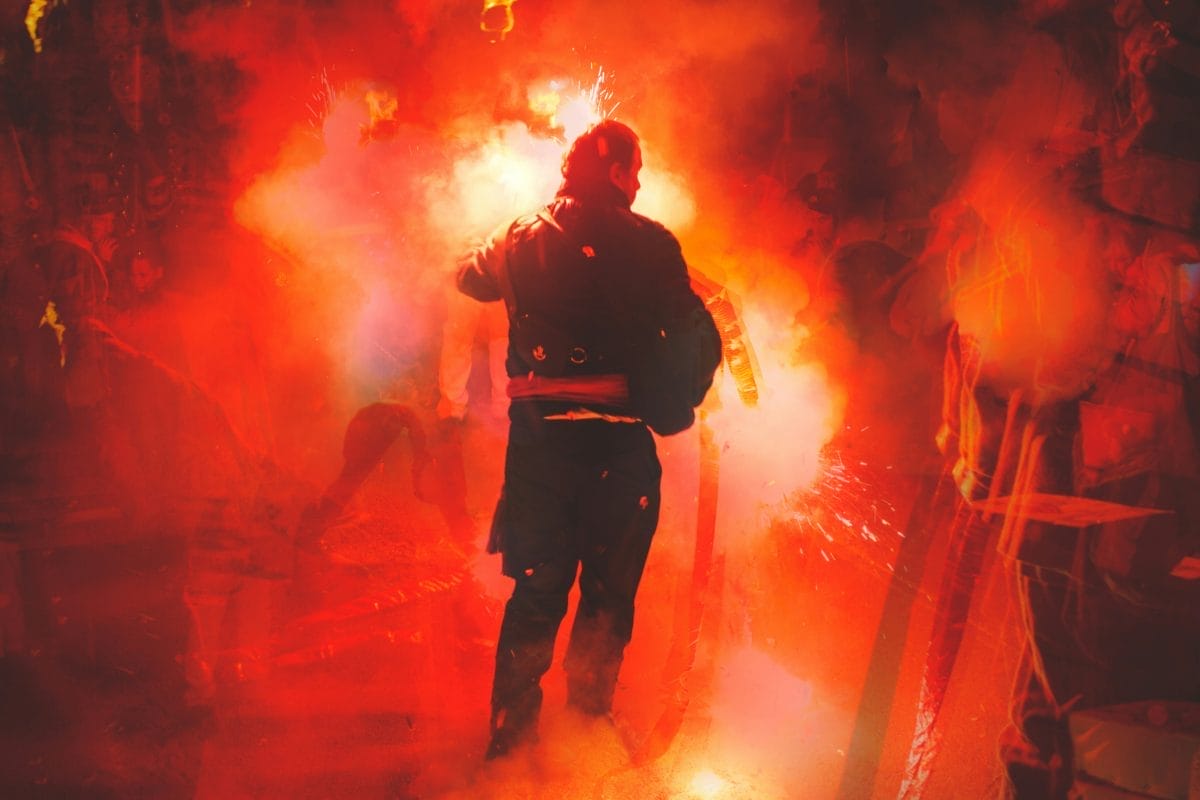
While the official bonfire night event in Lewes still focuses on the tradition of Protestant martyrdom, local revellers have become notorious for burning effigies of figures such as David Cameron and Margeret Thatcher.
While fireworks in the UK were once a symbol of a resolute state, they have now in some part come to represent anarchy and revolt. This is a curious homage to Guy Fawkes, whose explosive plot aimed to create similar unrest.
Fireworks for Independence Day
Fireworks in the United States are most synonymous with Independence Day on 4th July, the day that marks freedom from British colonial rule and the end of the American Civil War.
Across major cities in the US landmarks like the Statue of Liberty in New York and National Mall in Washington are lit up in bright colours in a show of typical American extravagance.
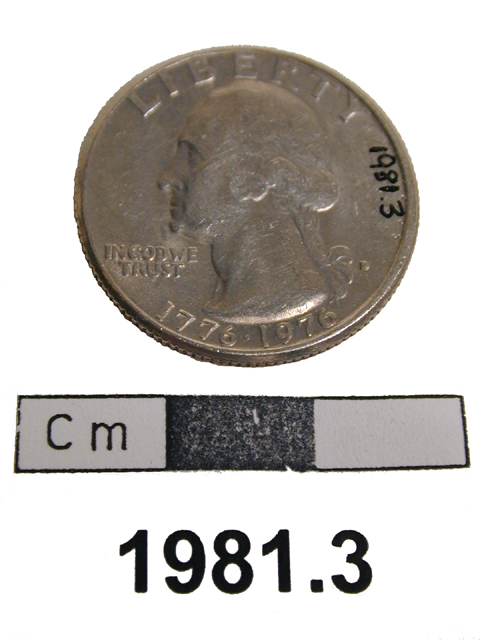
coin
Anthropology
Whilst fireworks are now closely tied to this anniversary in the US, their usage was already commonplace across Europe and America long before the Civil War. It had become widespread tradition across the world to mark national triumphs, military victories, and celebrations of peace with fireworks.
There is some indication the tradition of fireworks on Independence Day lasted because of a publicised letter from President John Adams to his wife Abigail in 1776, where he expressed his will for the day to solemnised with ‘Pomp and Parade, with Shrews, Games, Sports, Guns, Bells, Bonfires and Illuminations.’
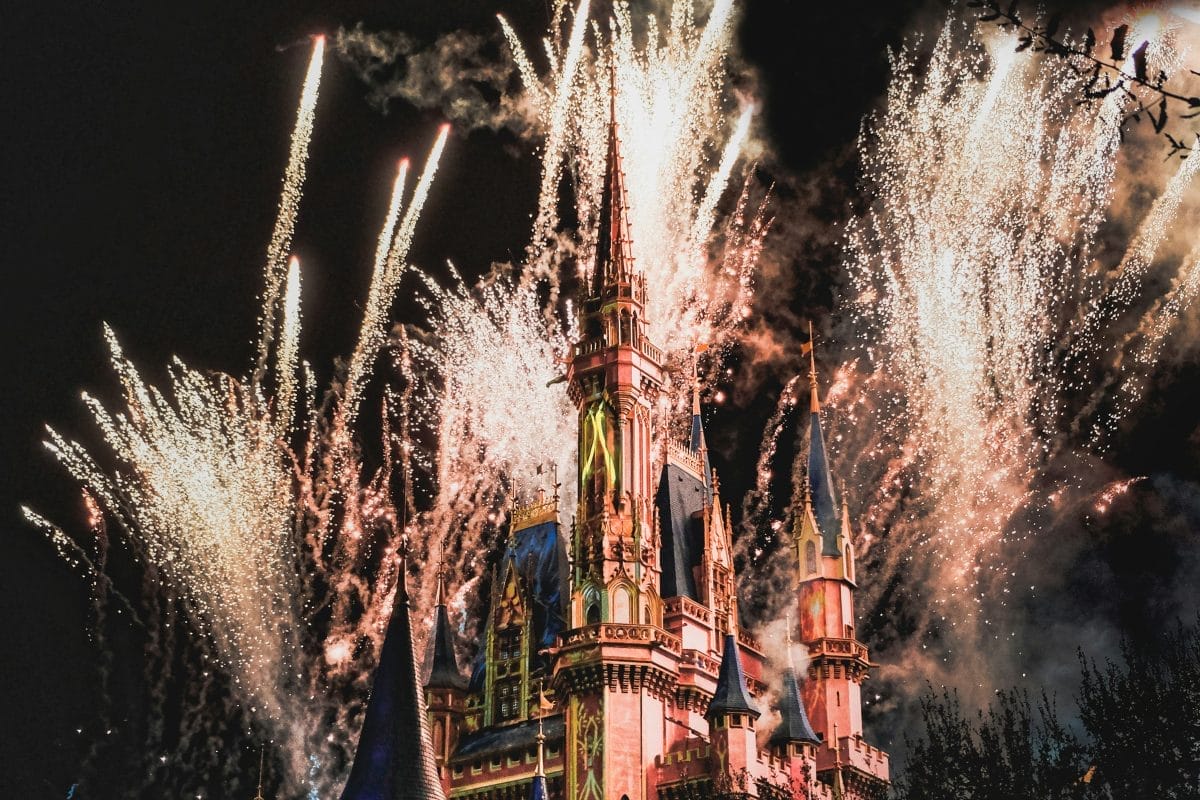
The first organised celebration of the holiday took place in Philadelphia in 1777, one year after the end of the Civil War, with a 13-gun salute and fireworks. Fireworks are now ever present in American culture – part of the magic of Disneyland, the spectacle of the Superbowl and the pomp of patriotism.
Lead image courtesy of Anirudh via Unsplash.