Adaptations
Explore the way a range of animals are adapted to survive in different habitats with this learning resource.
These cards were created in partnership with year 5 pupils at Trinity School in Lewisham.
They explore a range of incredible animals and the ways that their bodies are adapted to survive in their different habitats.
They were designed to help classes explore the amazing animals on display in our free Natural History Pop Up exhibition, but lots of the ideas and questions could also be used to explore nature in our other Galleries, Gardens and Animal Walk.
Some printed packs of these cards are available in the Pop-Up exhibition, but you may wish to bring your own copy of these cards, or to explore some of the ideas and animals in your classroom.
Images in this pack
Go and find: adaptations
We created these cards to help groups of learners explore, but everyone is welcome to use them.
They were designed with Year 5 pupils at Trinity School in Lewisham
How to use these cards
Work in small groups, take one pack per group, pick a card and read the questions together, find the animal and make observations, share your ideas with others. Please return the pack before you leave.
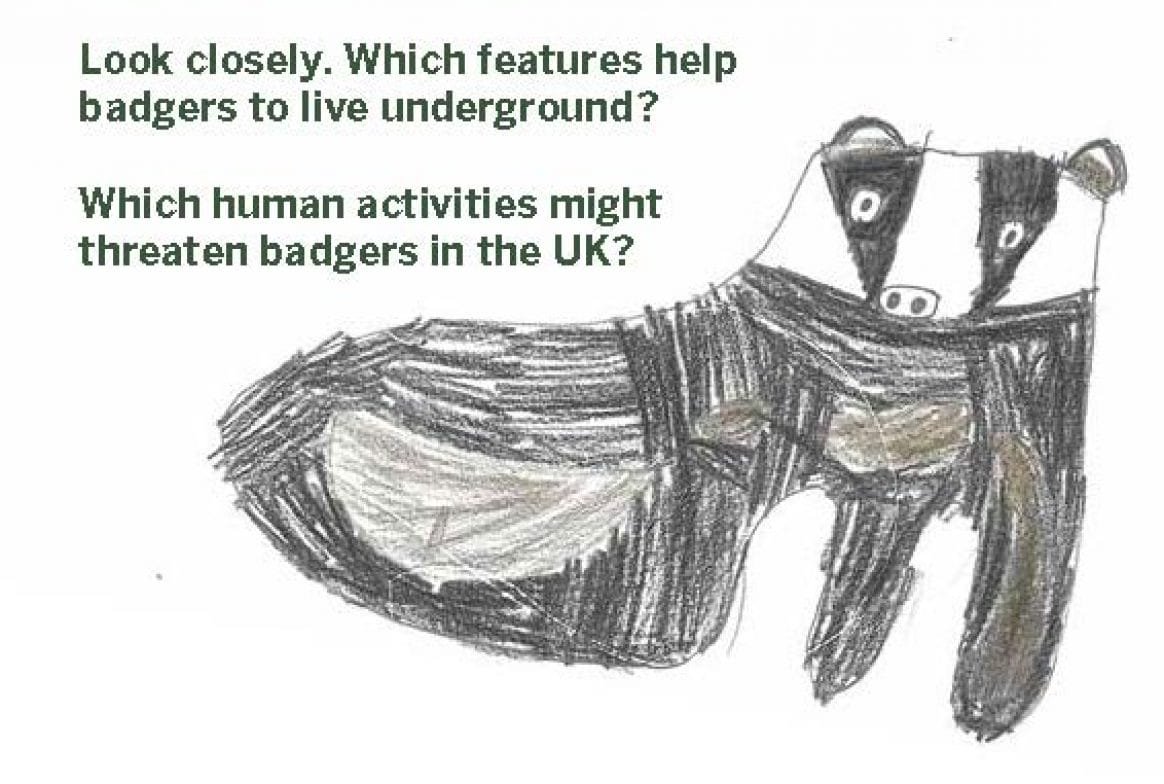
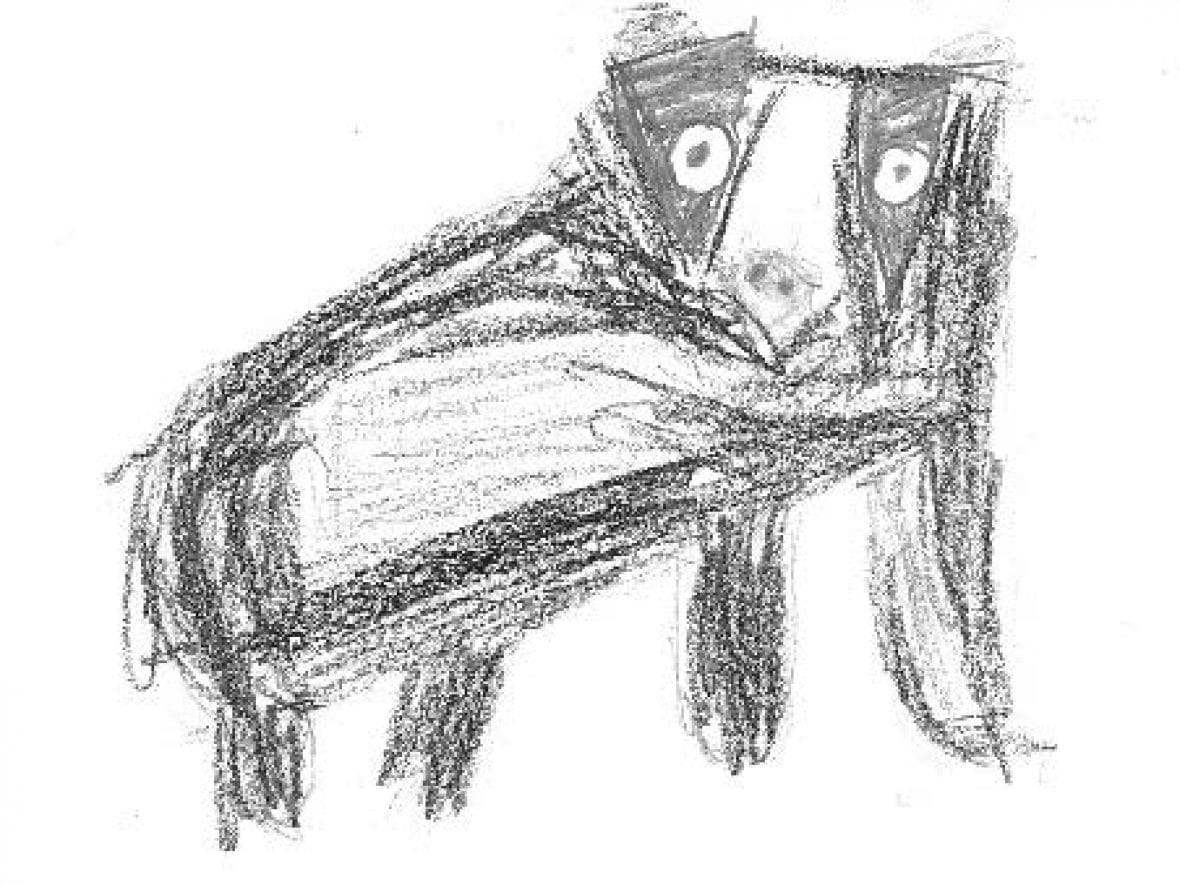
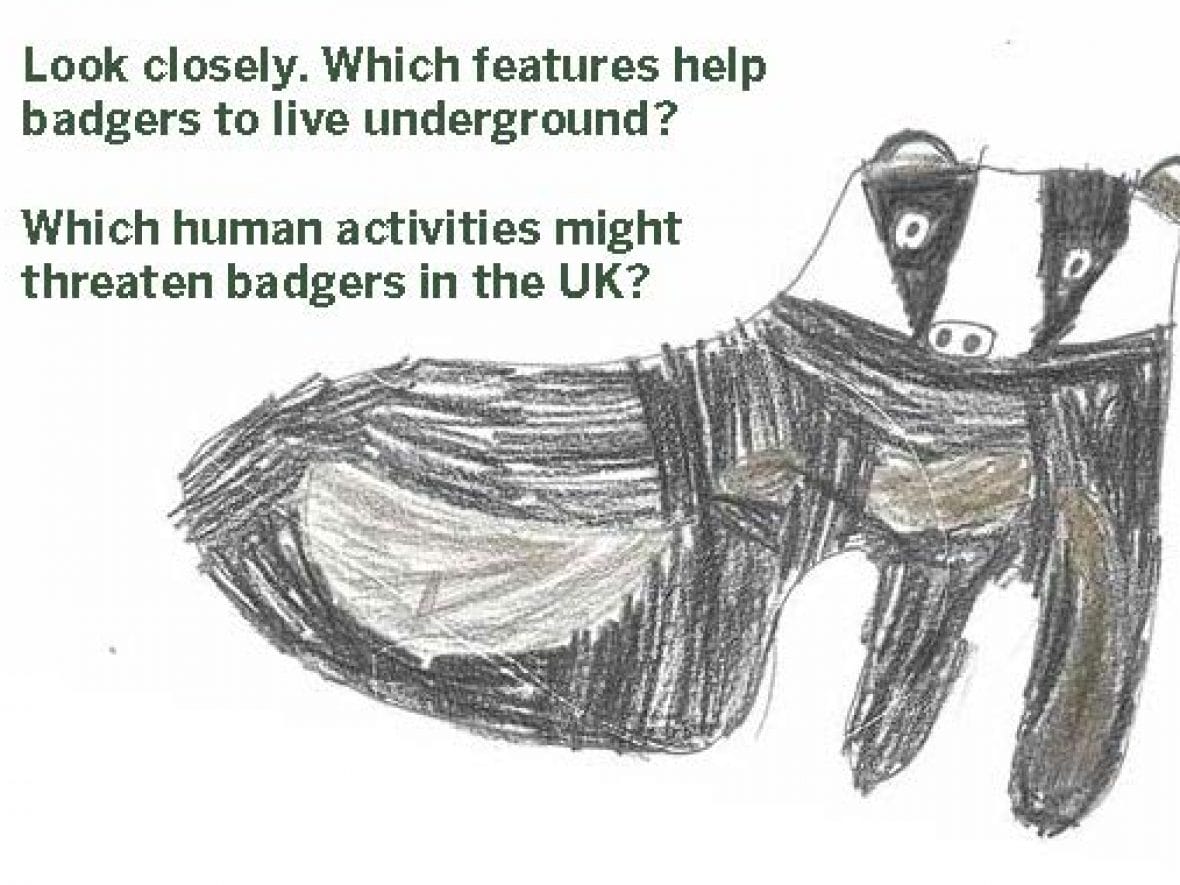
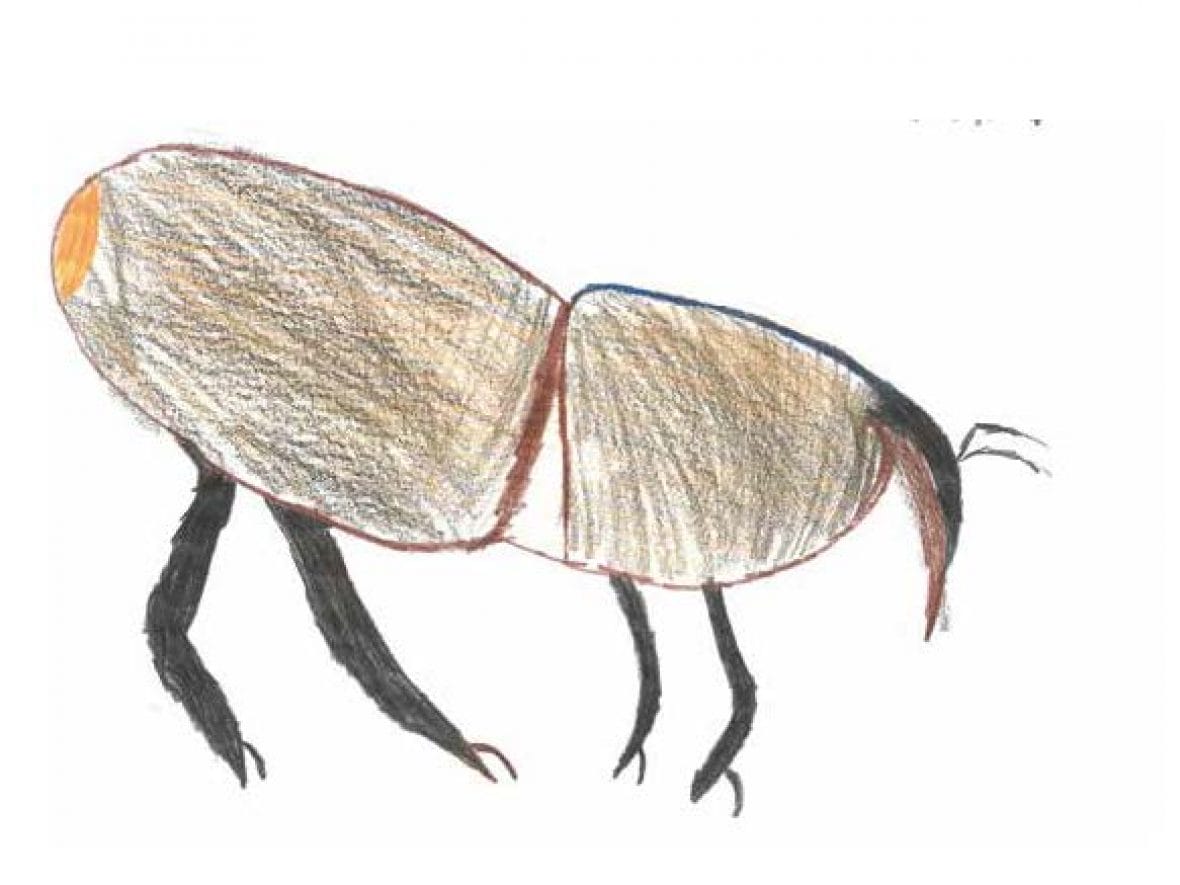
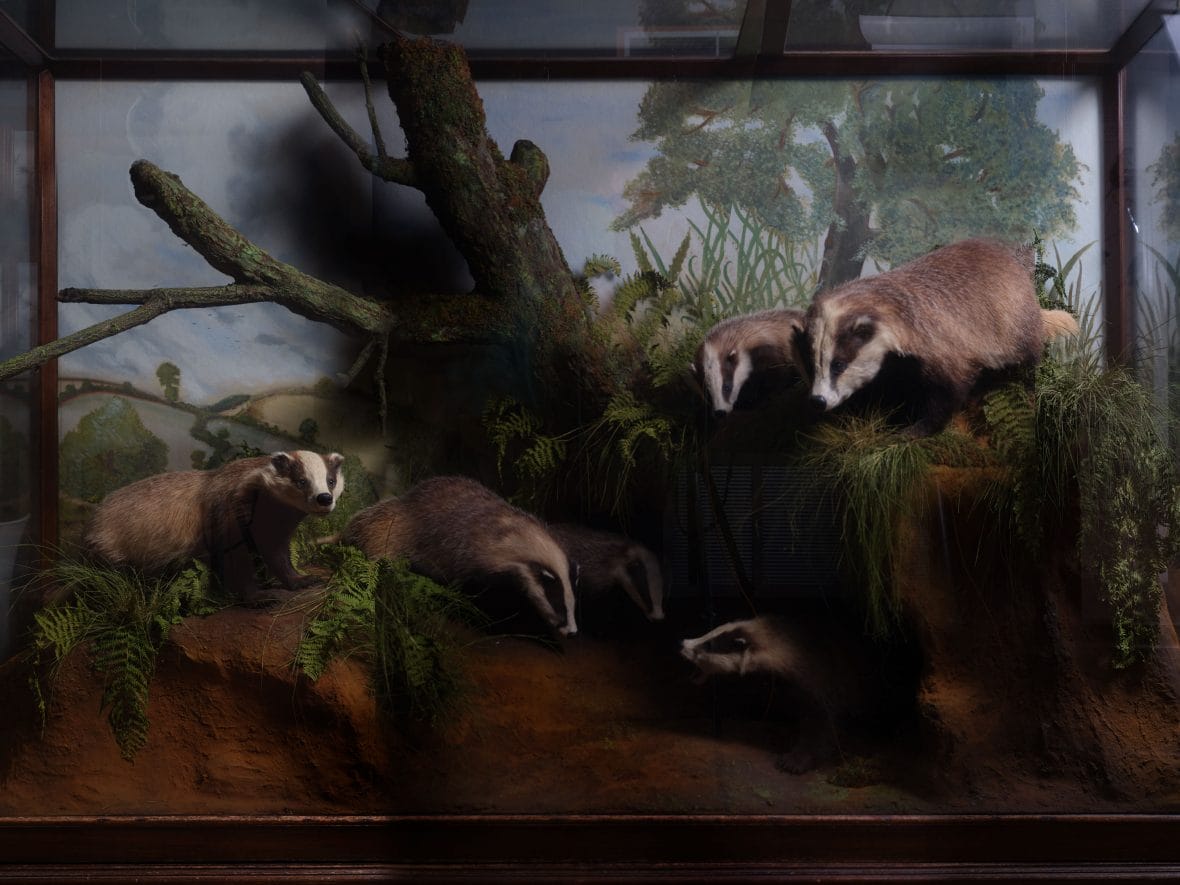
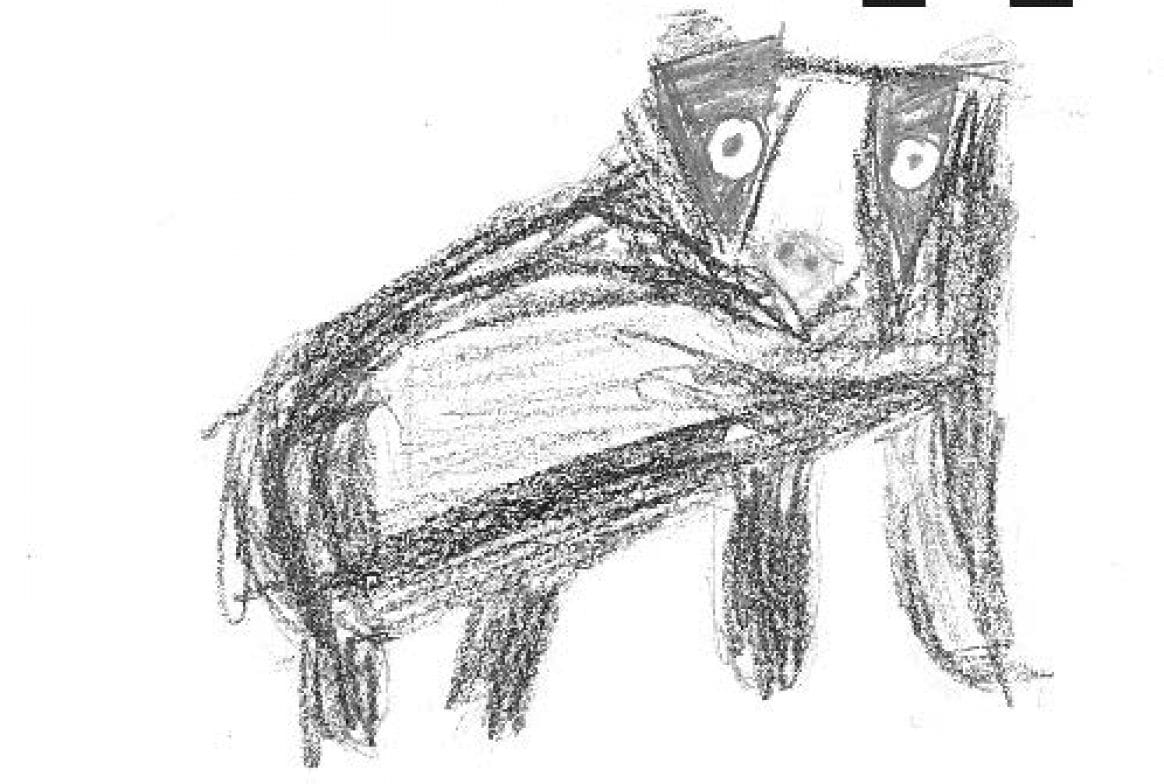
Go and find… a badger.
Classification: vertebrate, mammal.
Habitat: underground tunnels called setts.
Did you know: badgers are omnivores; they eat fruit and nuts, insects and worms, and small animals including frogs. They often cross busy roads in search of food.
Look closely. Which features help badgers to live underground? Which human activities might threaten badgers in the UK?
Go and find… An animal you are curious about
Look carefully. What do you notice? How would you classify the animal? Can you describe something interesting about the animal?
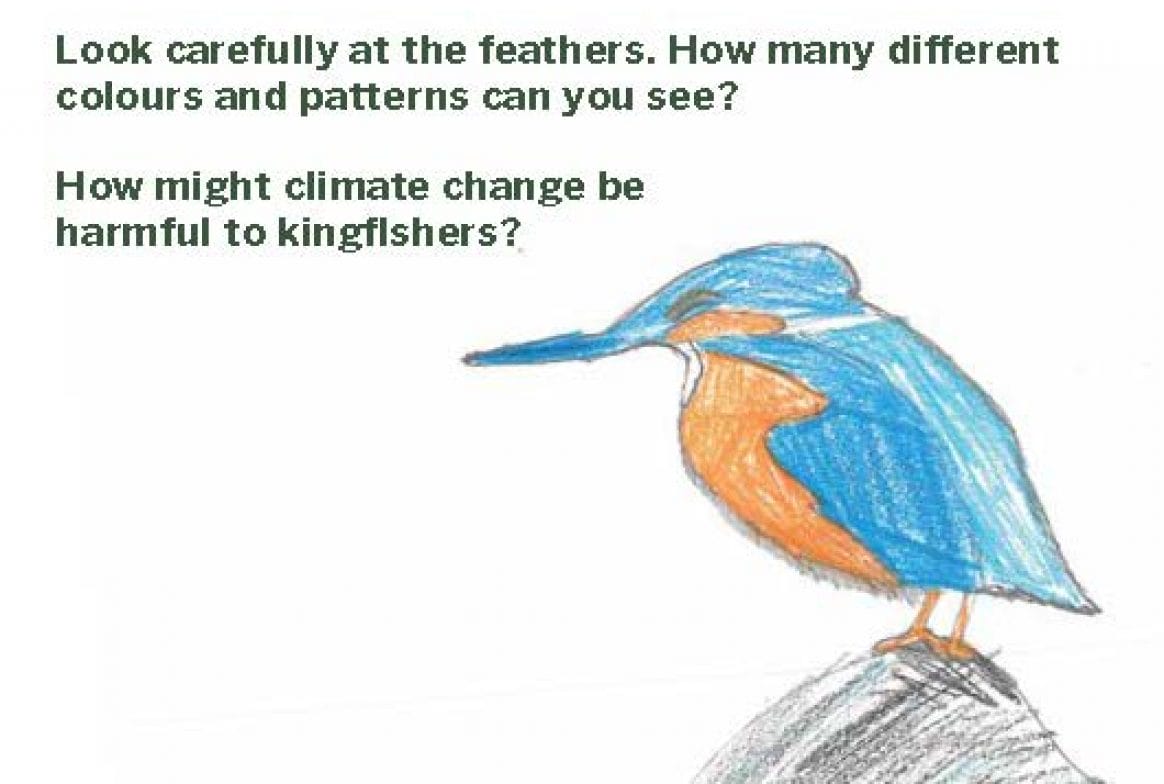
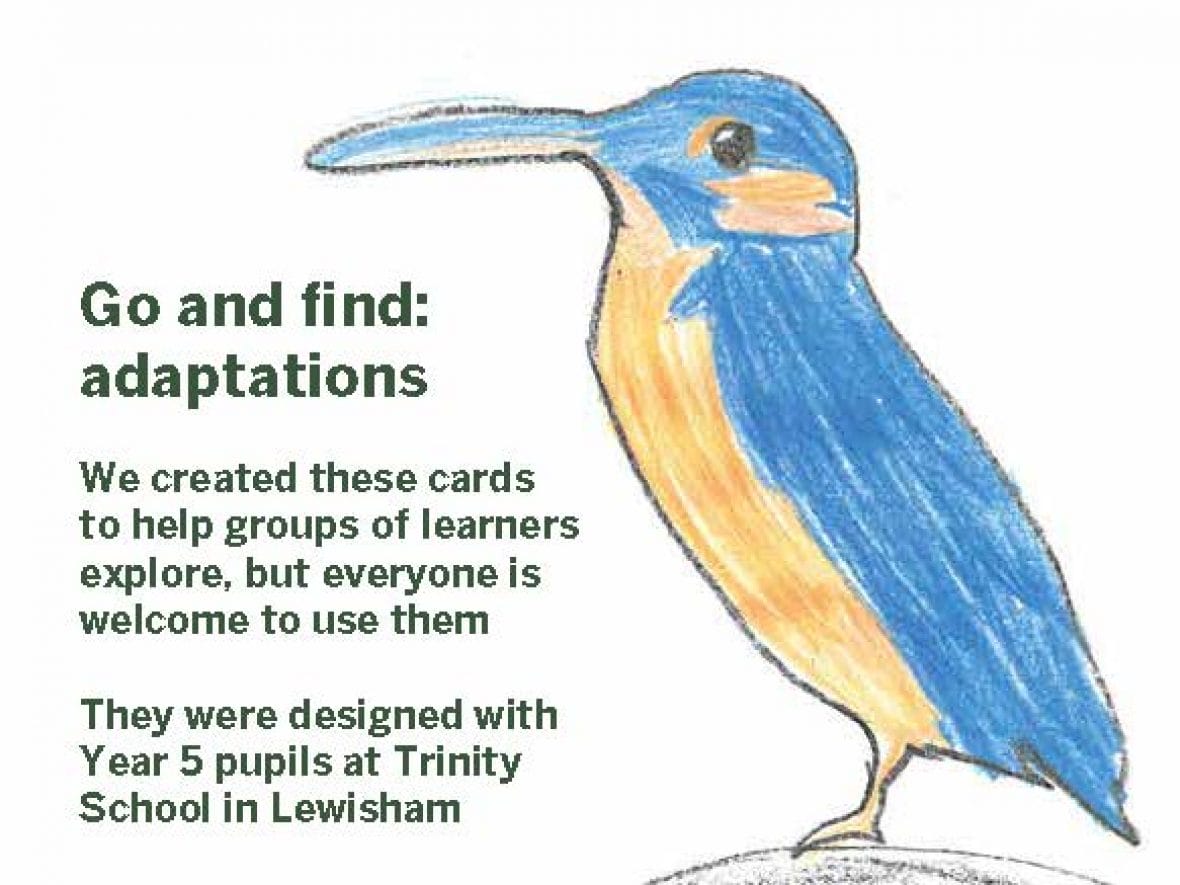
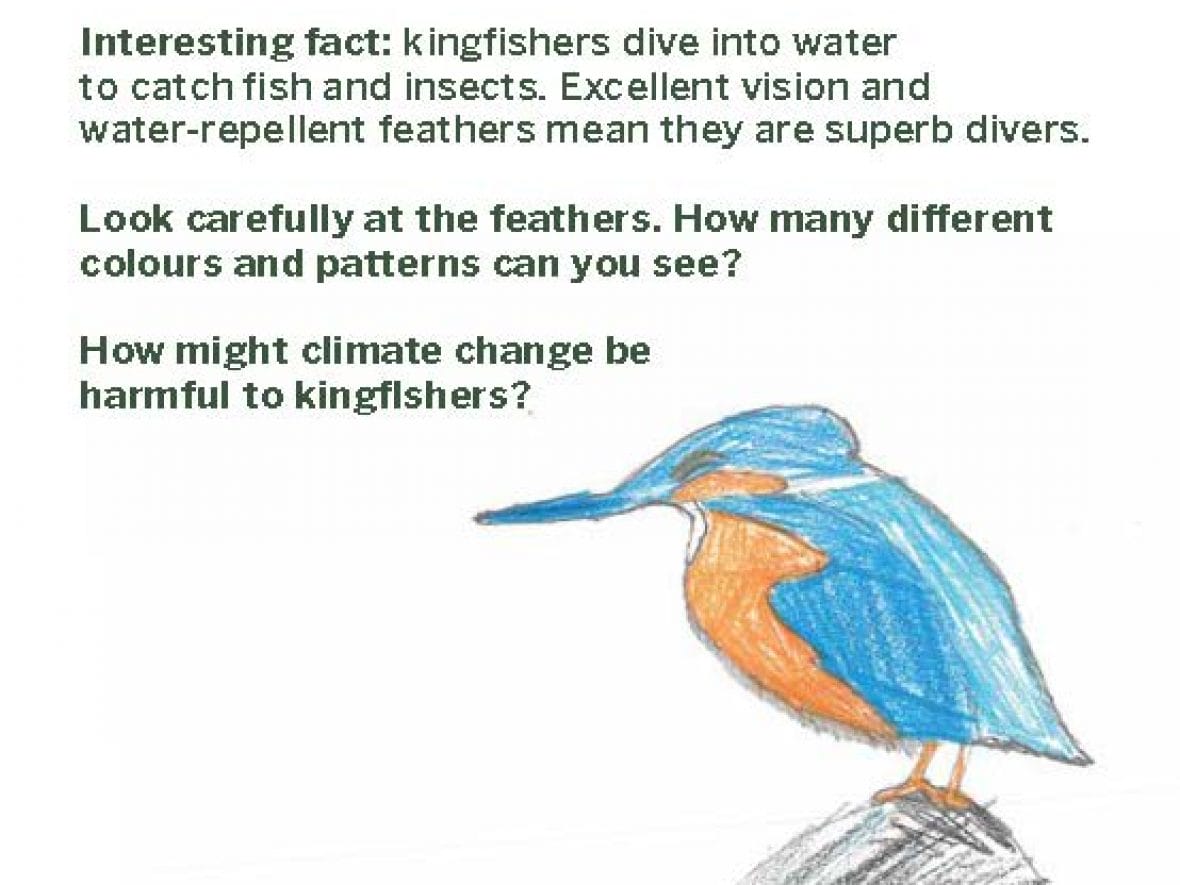
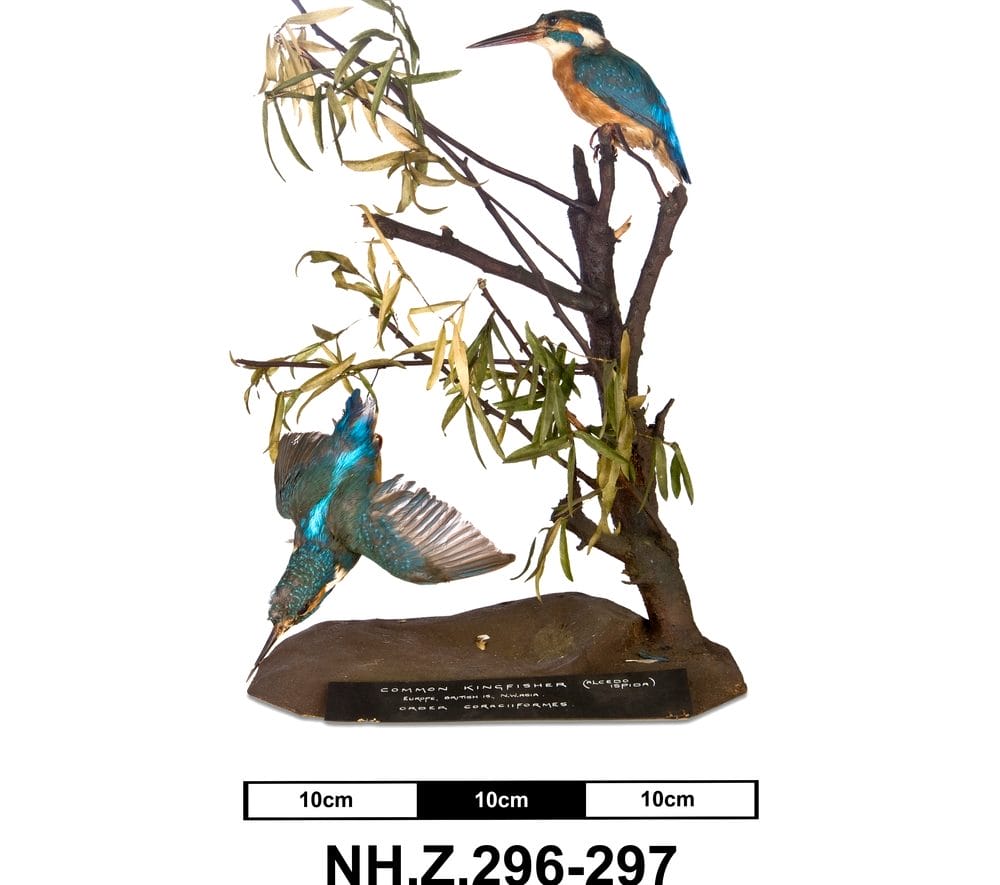
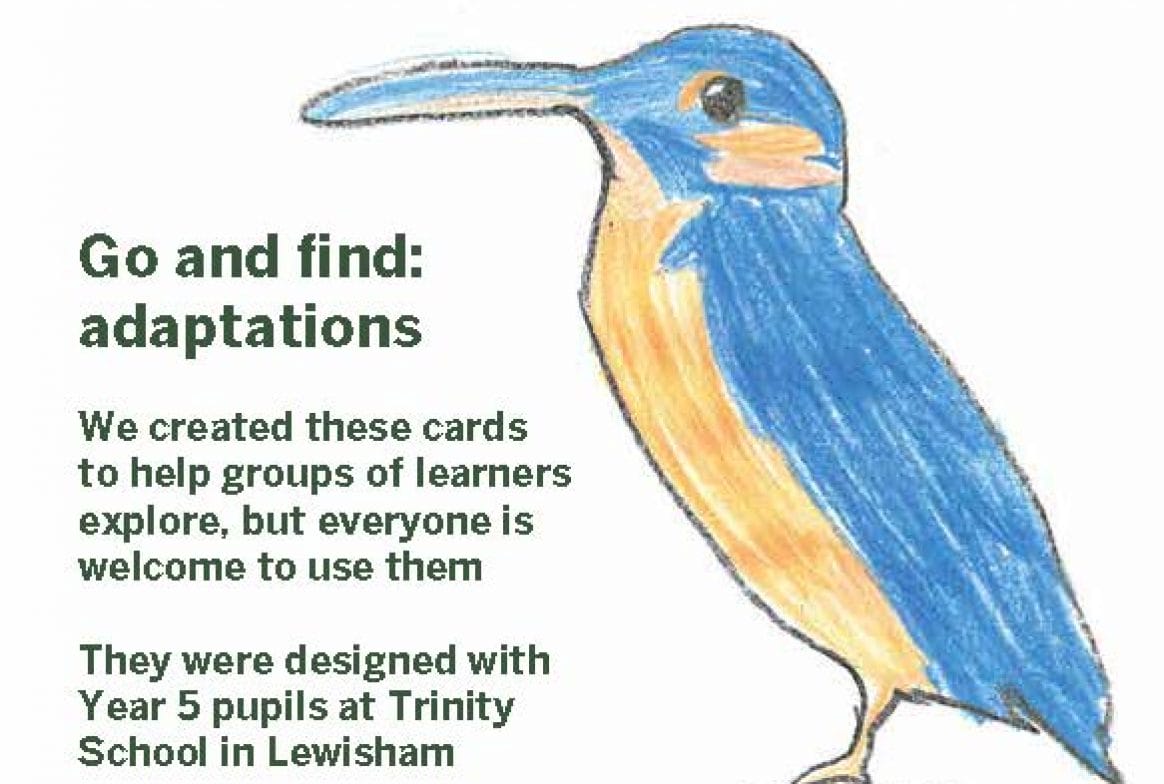
Go and find... a kingfisher
Classification: vertebrate, bird
Habitat: streams, rivers and lakes
Interesting fact: kingfishers dive into water to catch fish and insects. Excellent vision and water-repellent feathers mean they are superb divers.
Look carefully at the feathers. How many different colours and patterns can you see?
How might climate change be harmful to kingfishers?
Go and find… an animal you have never seen before
Look for clues. What kind of habitat might this animal live in? Can you find another animal that lives in the same habitat?
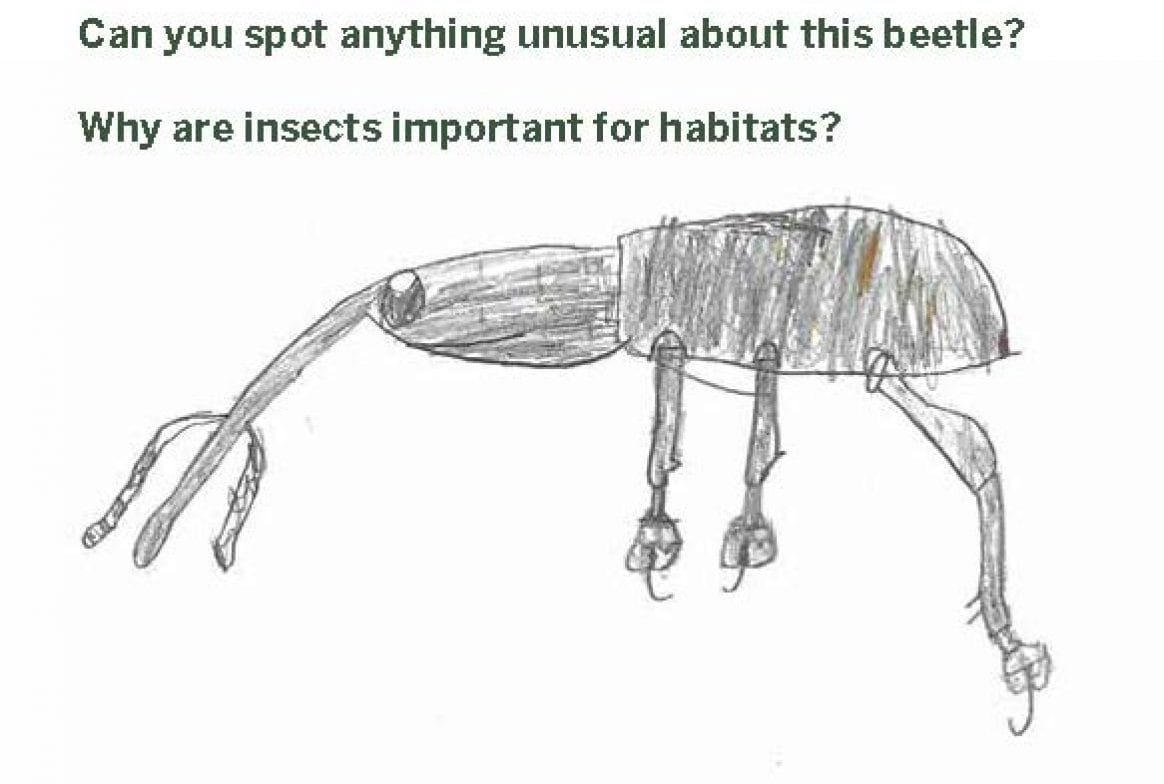
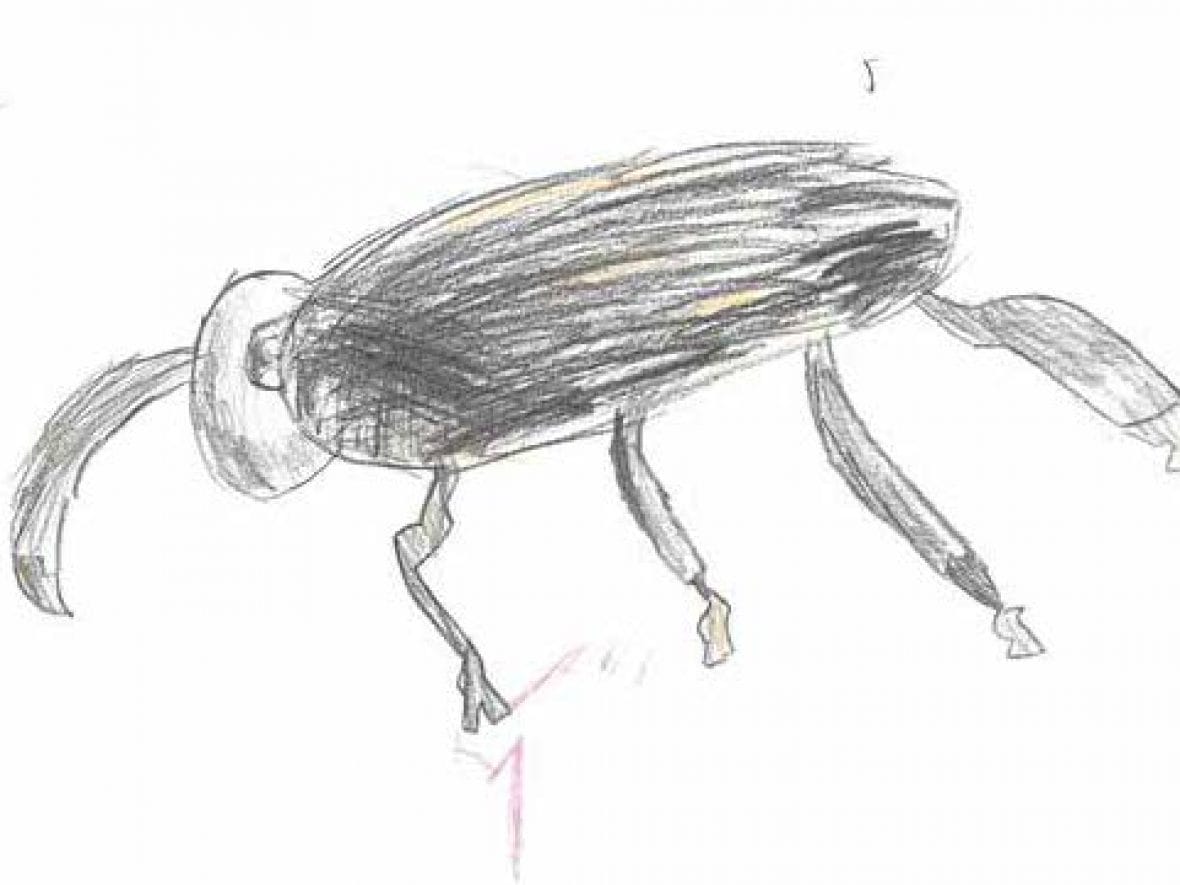
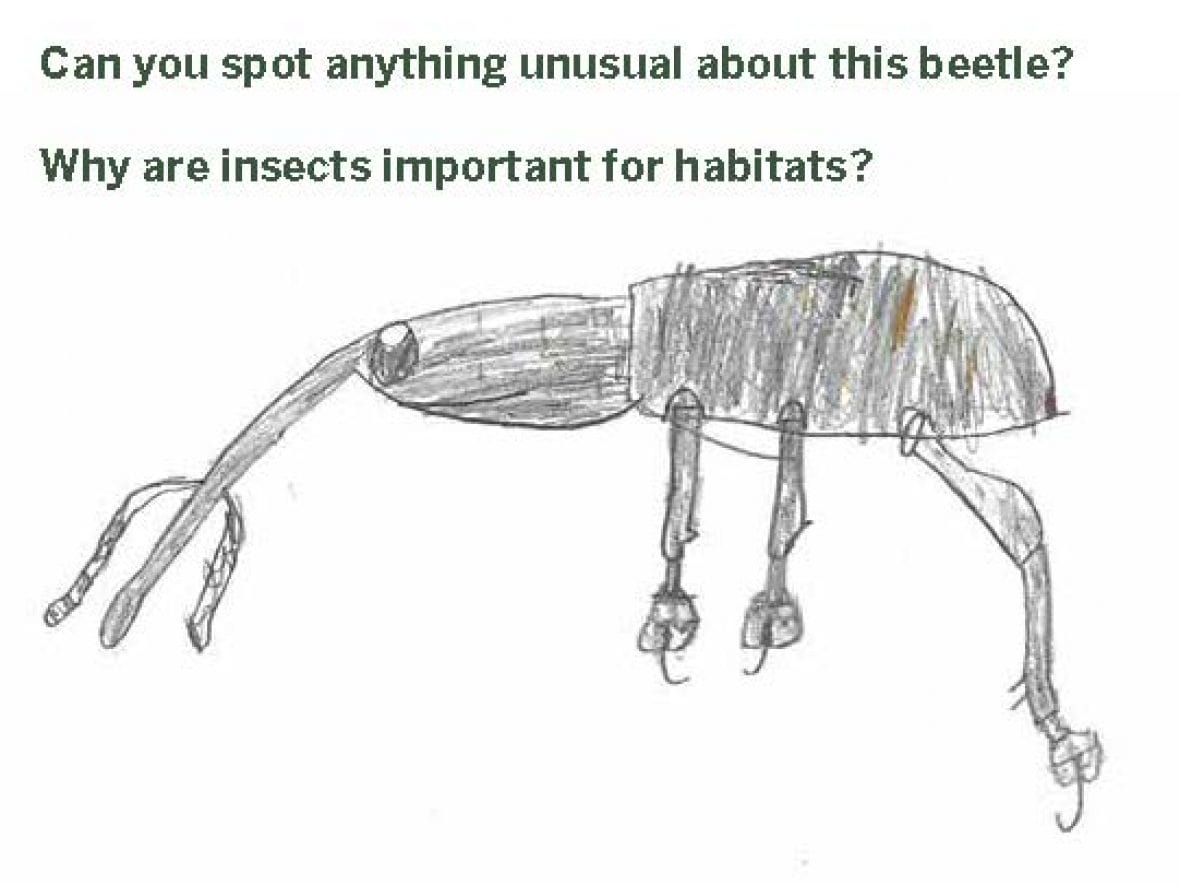
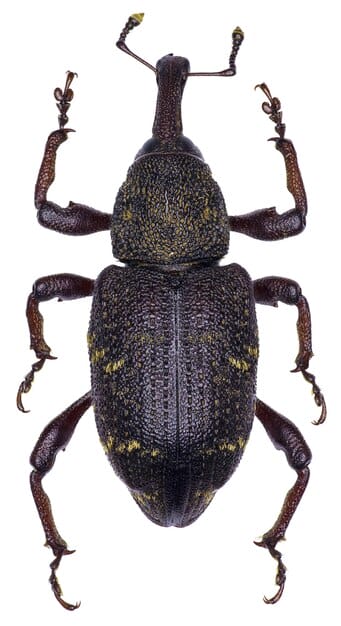
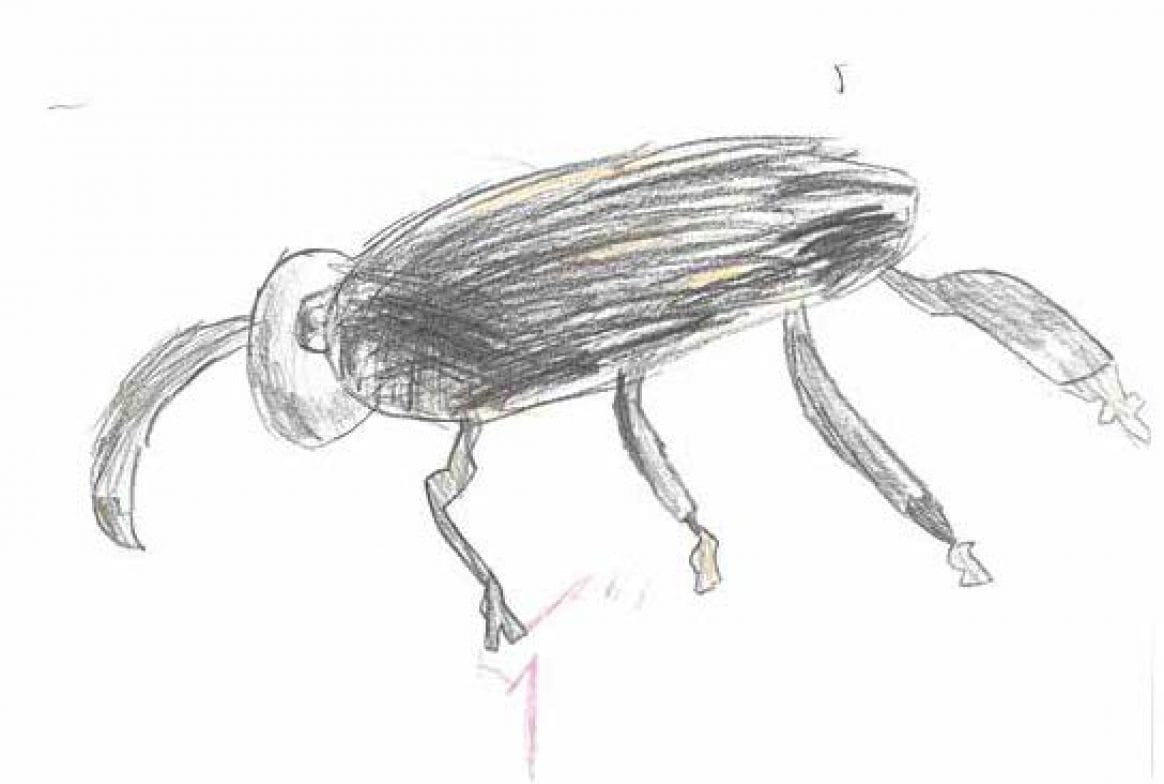
Go and find… A weevil (long-nosed beetle)
Classification: invertebrate, insect
Habitat: forests, grasslands, fields, gardens
Did you know: many long-nosed beetles feed on leaves and nectar. They have a long snout with their mouth at its tip.
Can you spot anything unusual about this beetle? Why are insects important for habitats?
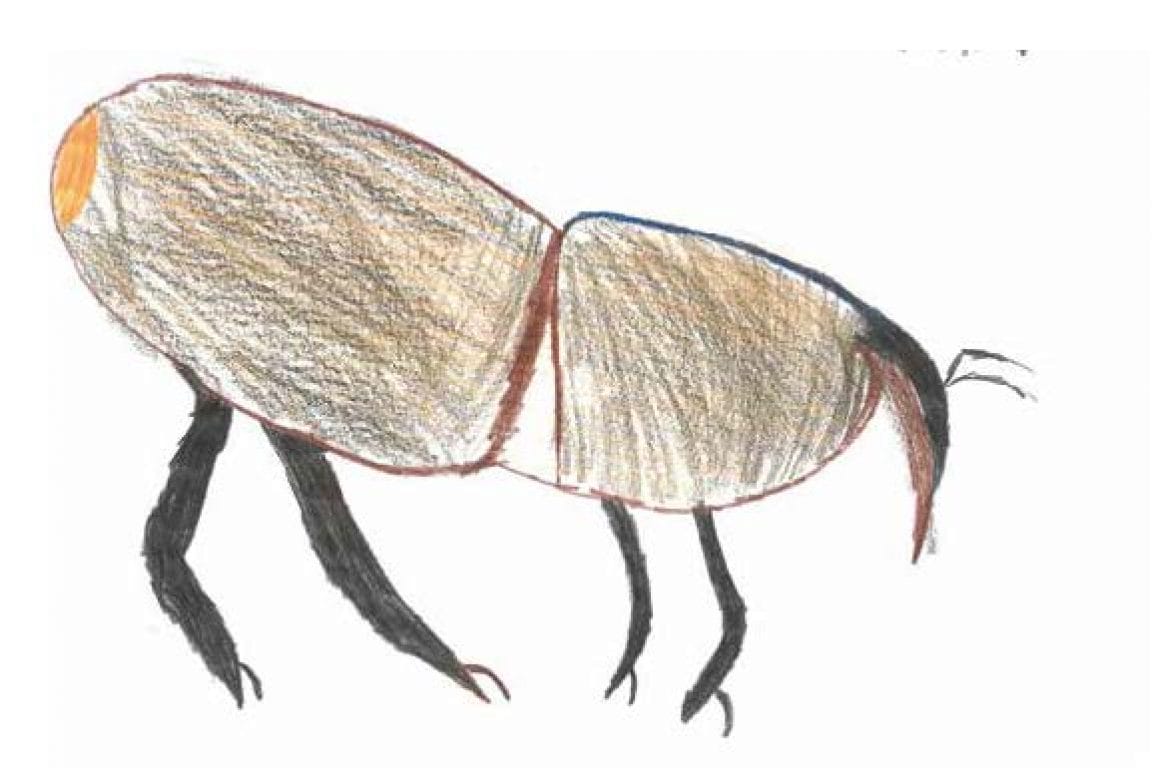
Go and find… an animal you find interesting
Does it have any adaptations to help it protect itself or find food? Find some invertebrates in the space. What features do they share?
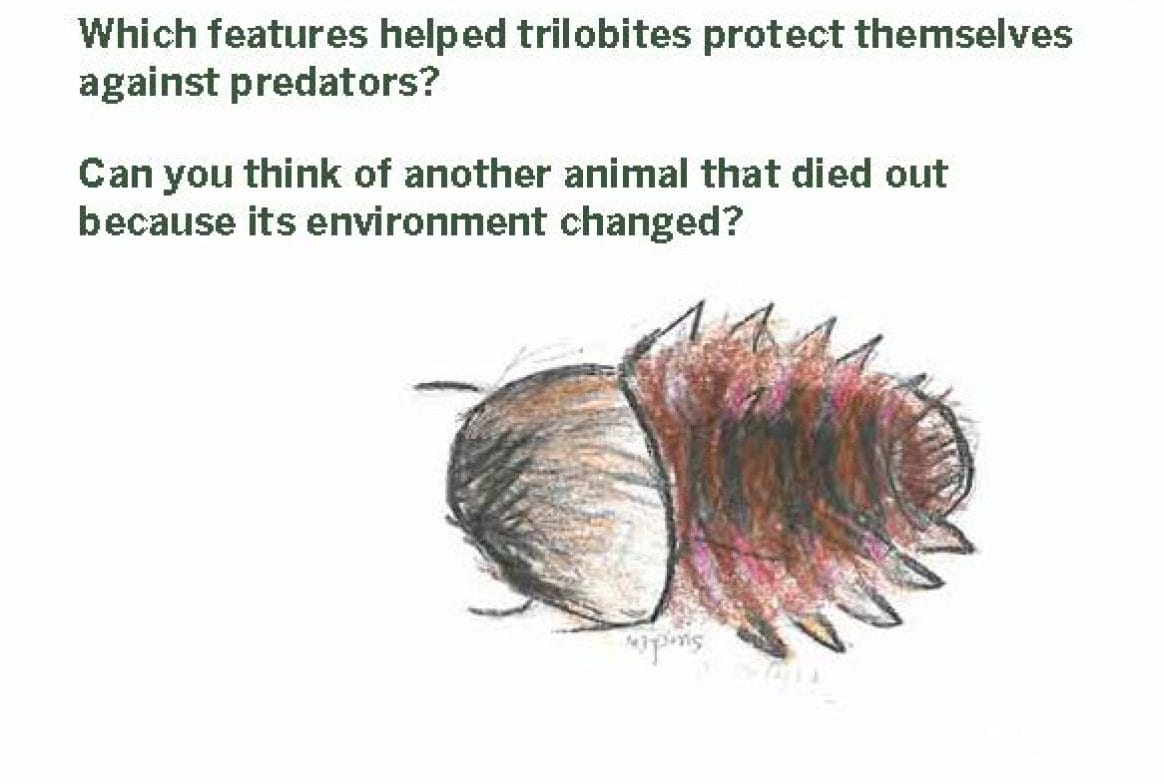
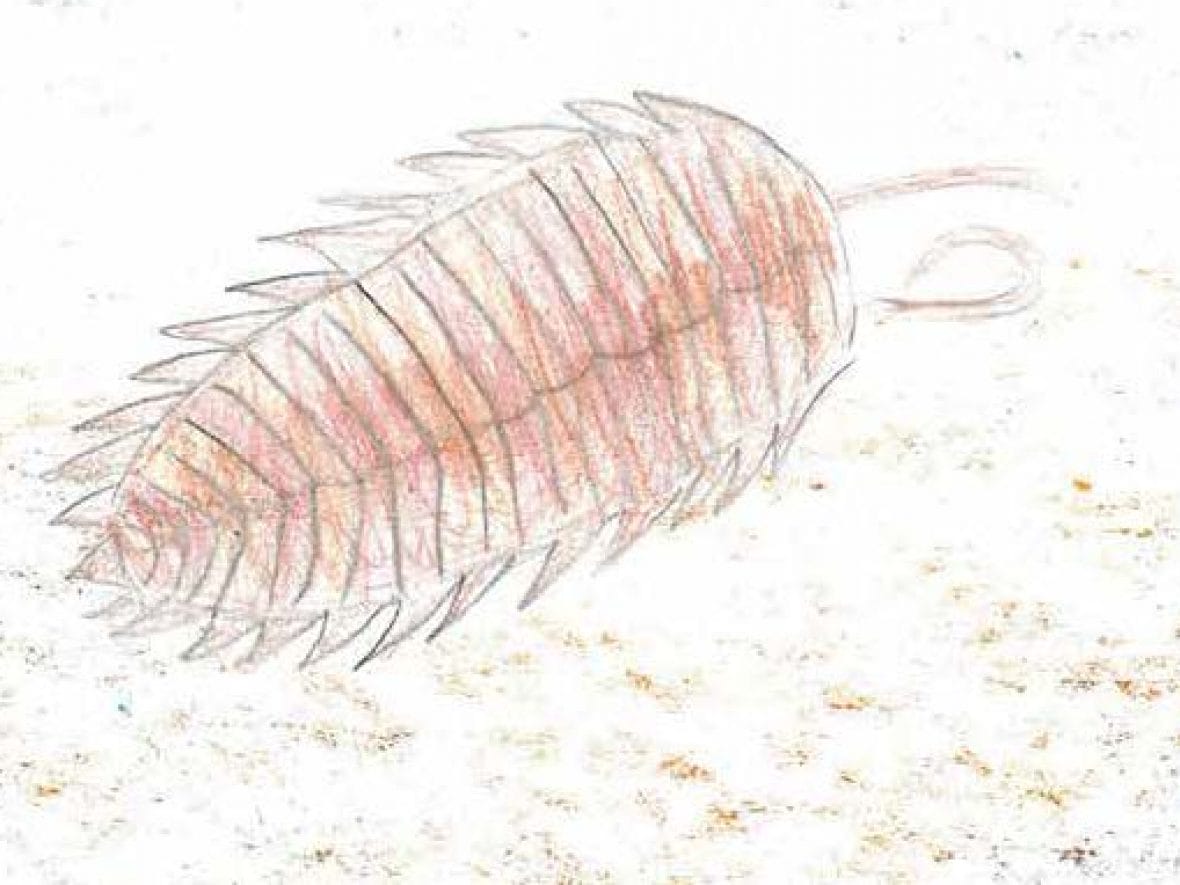
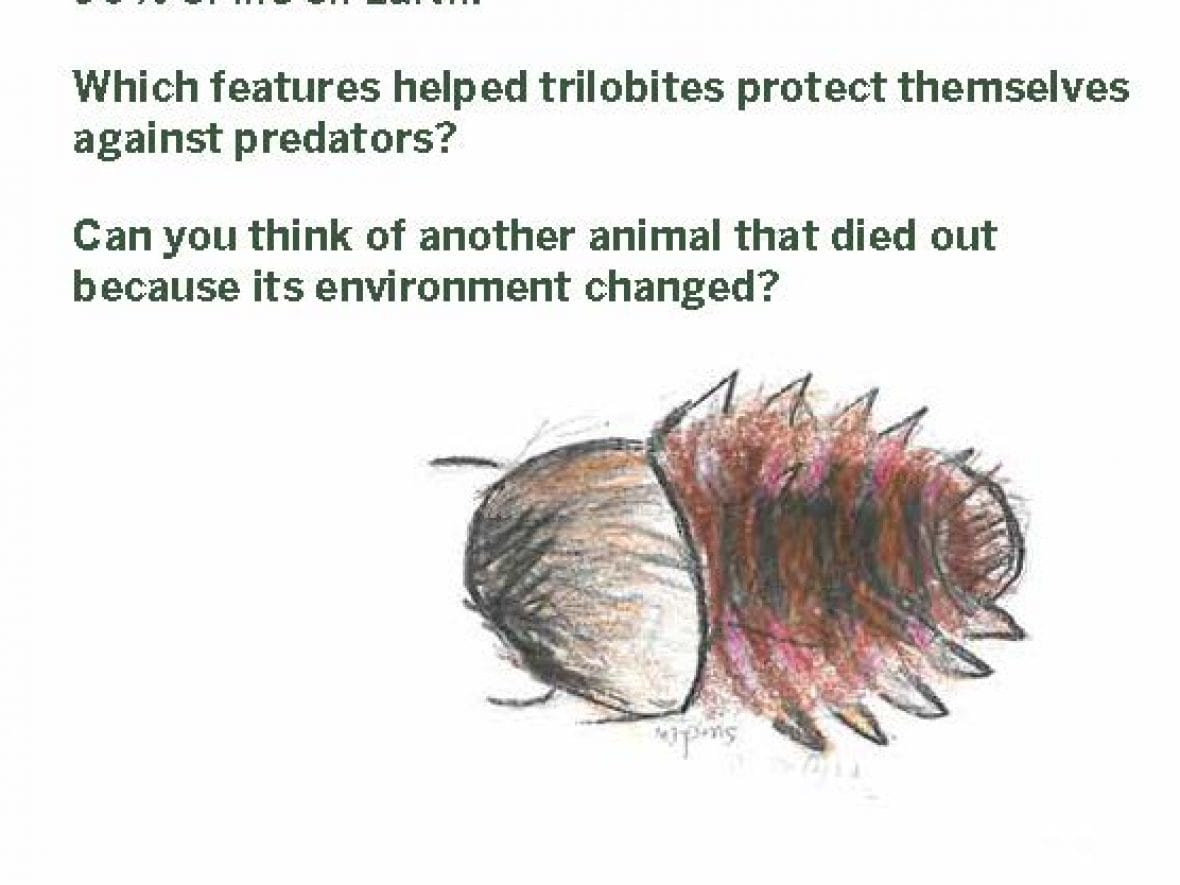
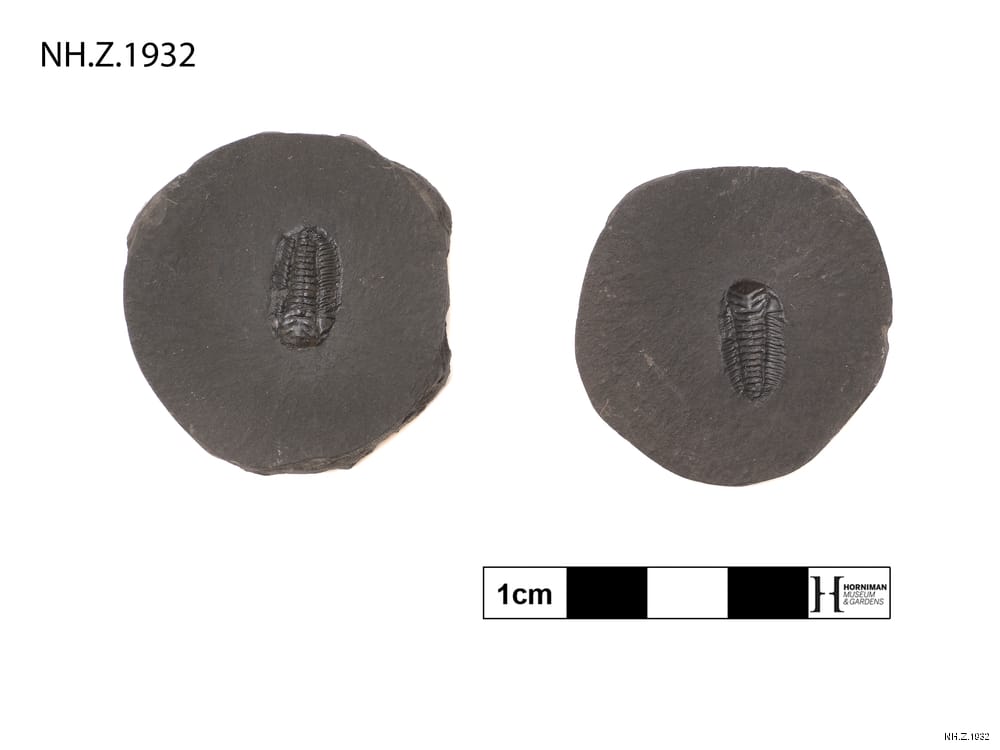
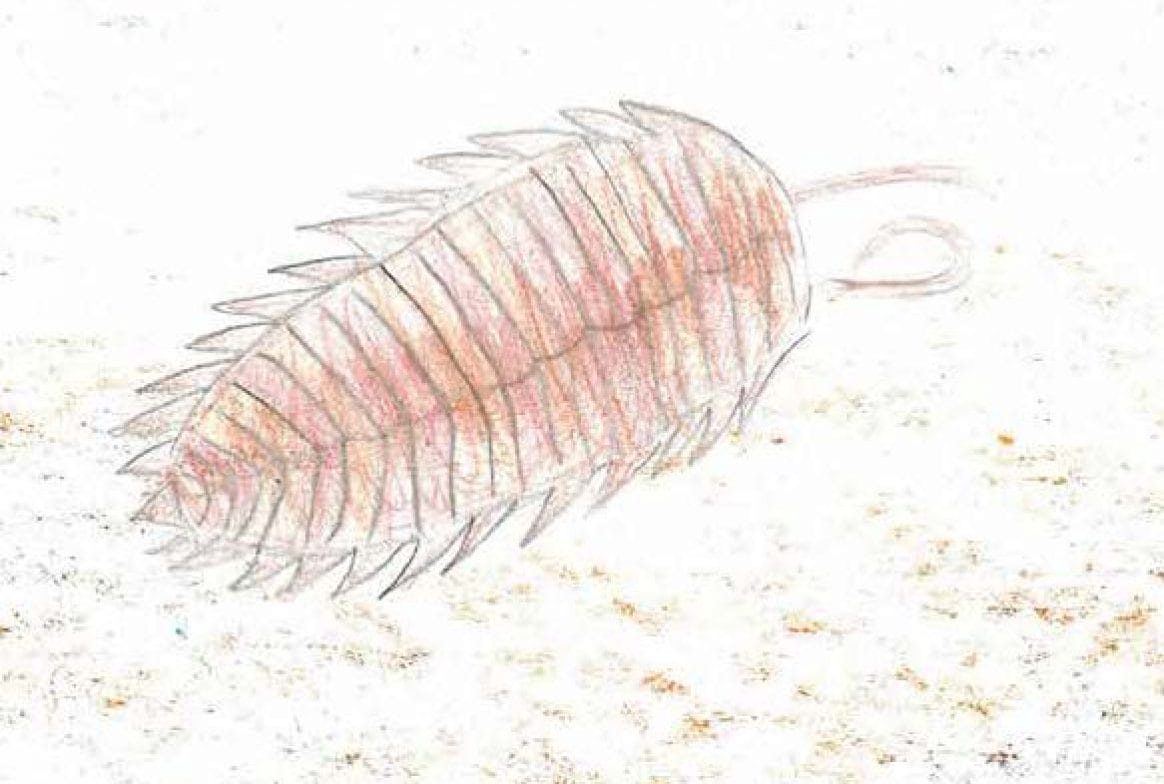
Go and find… a trilobite fossil
Classification: invertebrate, arthropod
Habitat: ocean
Did you know: trilobites became extinct about 250 million years ago, when a huge disaster wiped out 90% of life on Earth.
Which features helped trilobites protect themselves against predators? Can you think of another animal that died out because its environment changed?
Go and find… an animal you like
How could you protect this animal and its habitat? Can you think of any other ways to help local wildlife?
Explore further… Humans have always relied on the natural world for survival
Explore our world and music galleries: how have natural resources been used by communities around the world? How do you use natural resources?


