


Gardens Nursery and Community Garden
The new glasshouse will provide our Gardens team with modern facilities for propagation, potting and all things plant care, helping them ensure our 16 acres continues to buzz with biodiversity. The building itself has sustainable environmental features including air source heat pumps and rainwater harvesting.
A terrace around the building allows visitors to take a peek at what’s growing inside, and see the Gardens team in action. It leads visitors to a refurbished and replanted seating area which is a perfect place to relax and enjoy the view. The terrace will also be used as a hub for community engagement activities, as well as public workshops, with a focus on sustainable gardening and wellbeing.
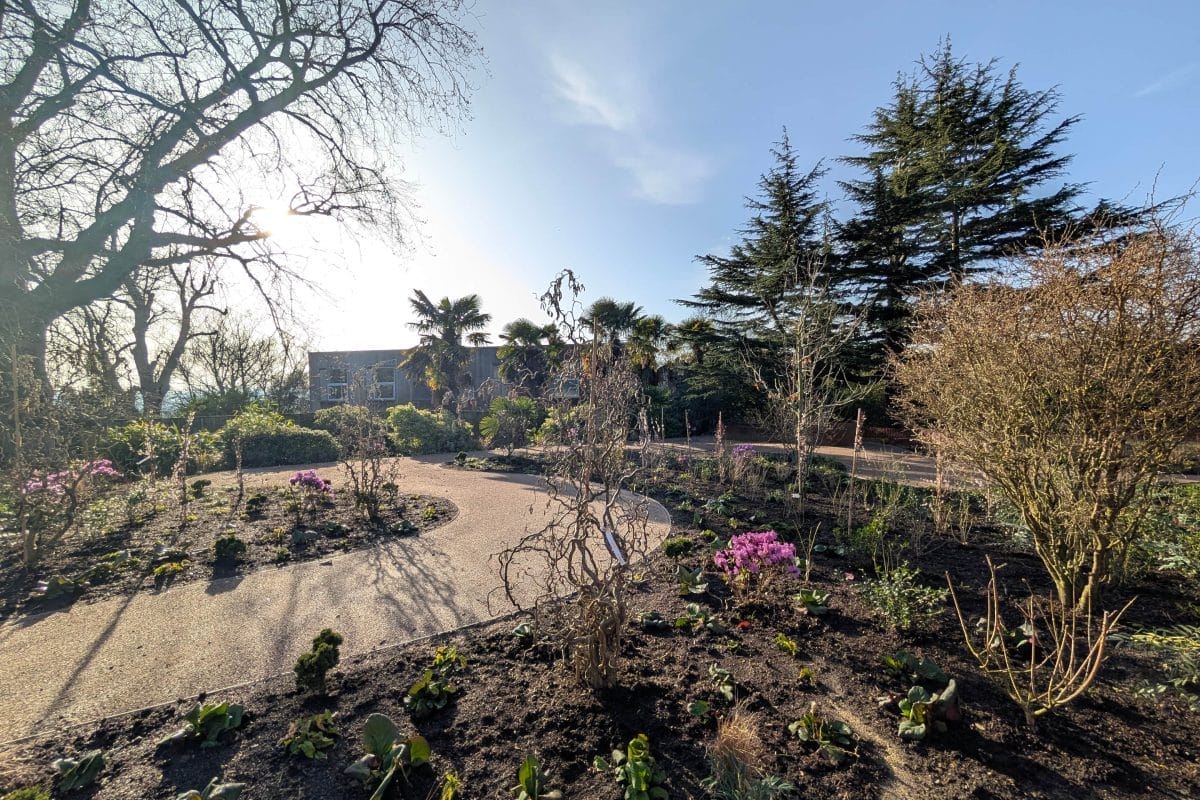
The nearby Community Garden has been developed with local partners to be a quieter, more secluded spot for everyone to enjoy respite and reflection among the winding paths and beautiful planting.
Kusuma Nature Play
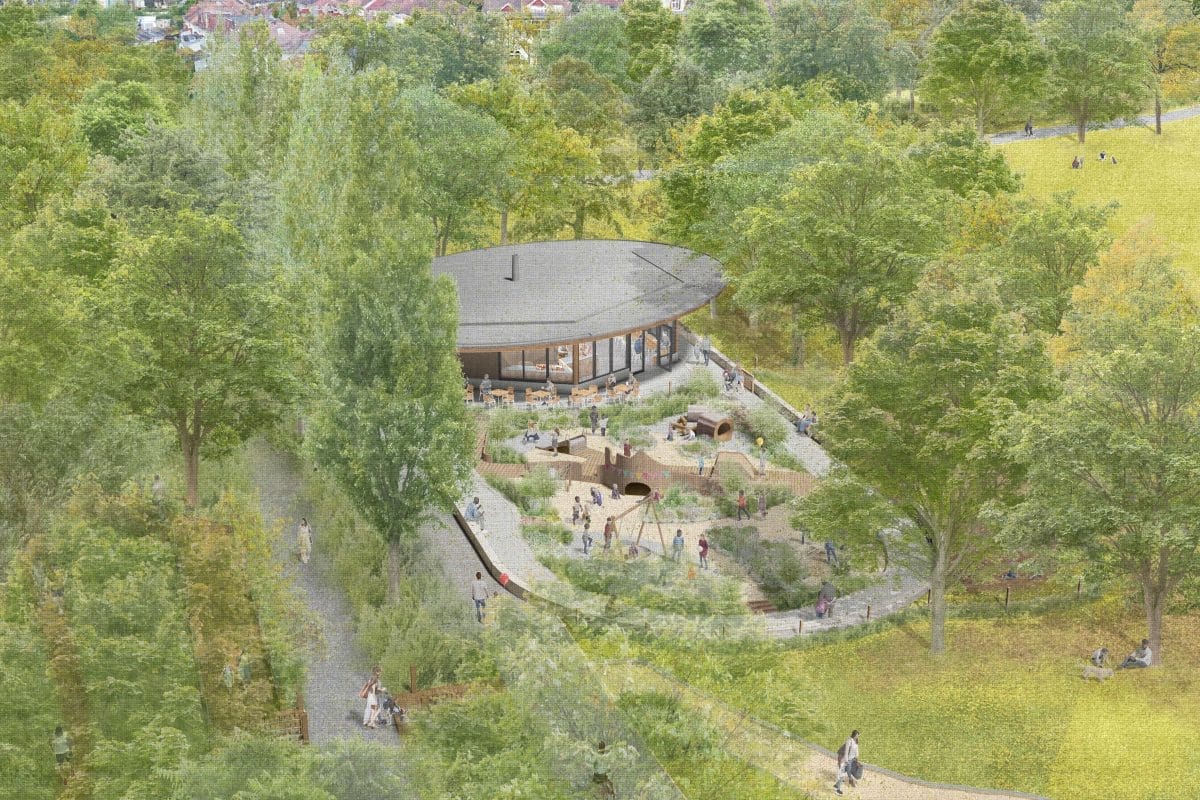
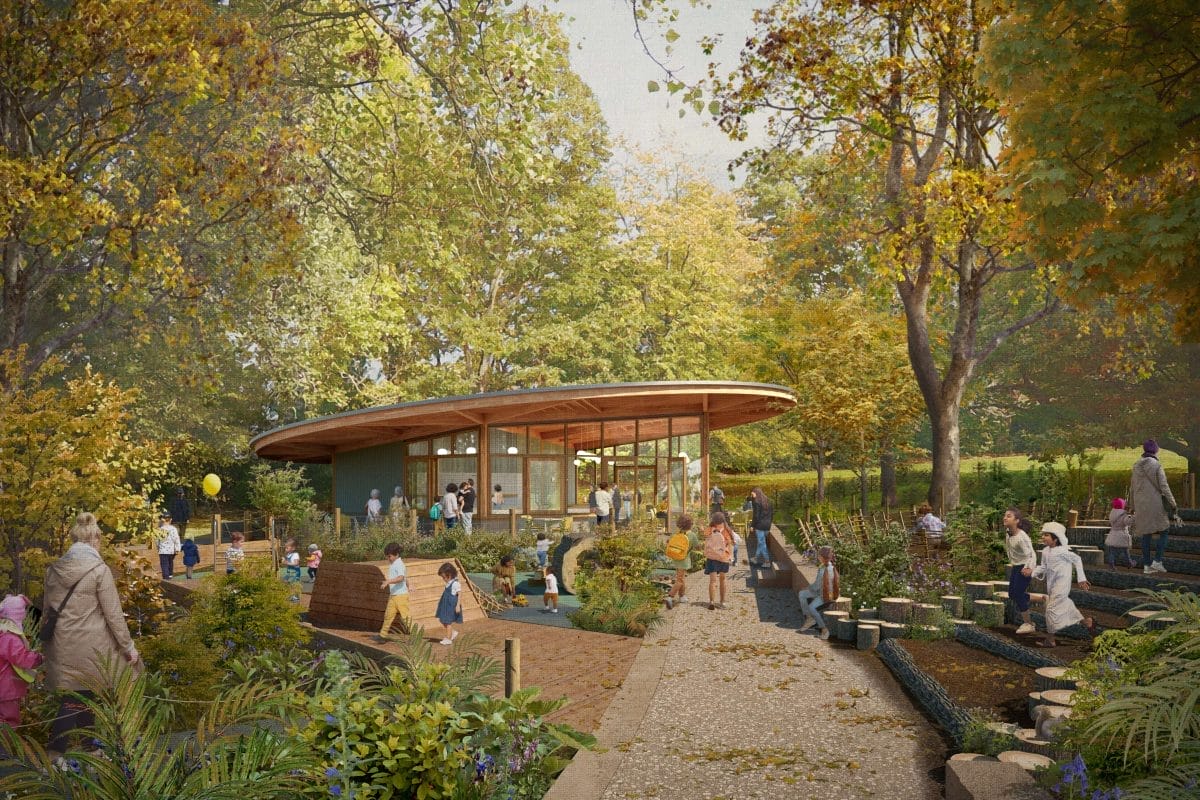
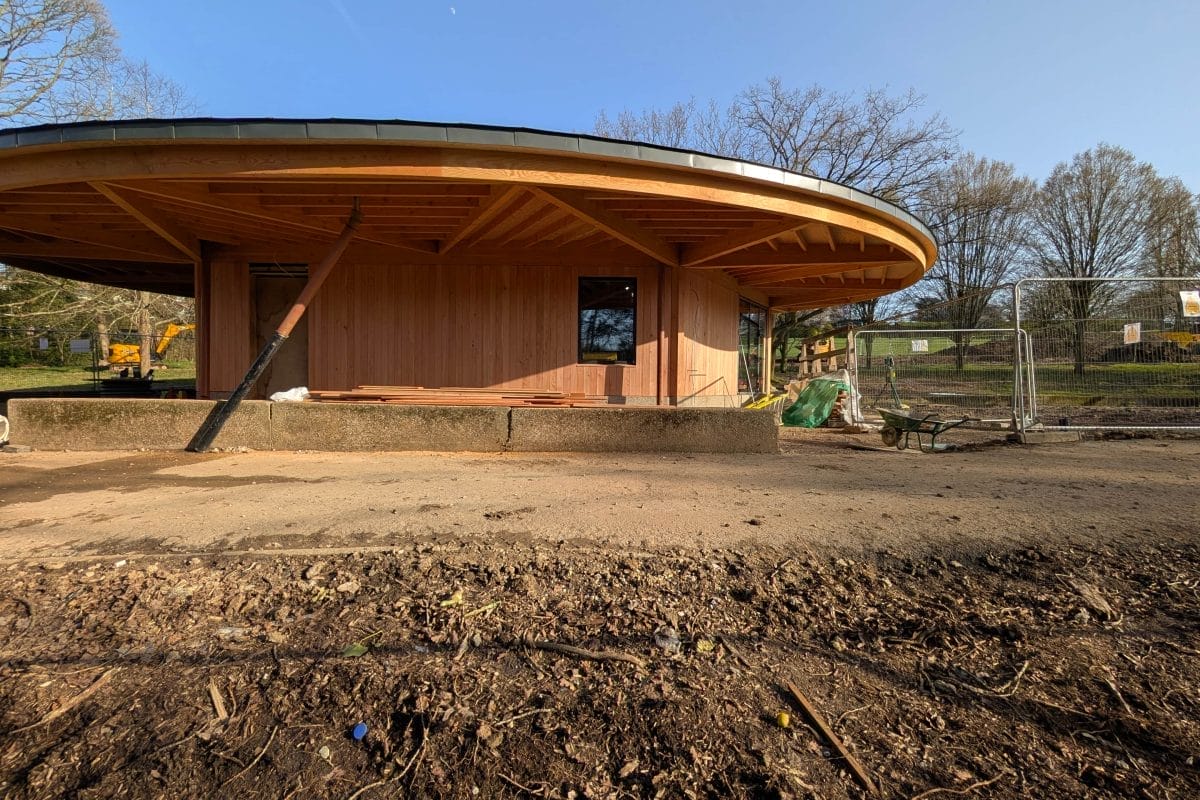
The stunning new Gardens Cafe has now been constructed and glazed, and the internal fit-out is taking place, including the installation of the kitchen and furnishings.
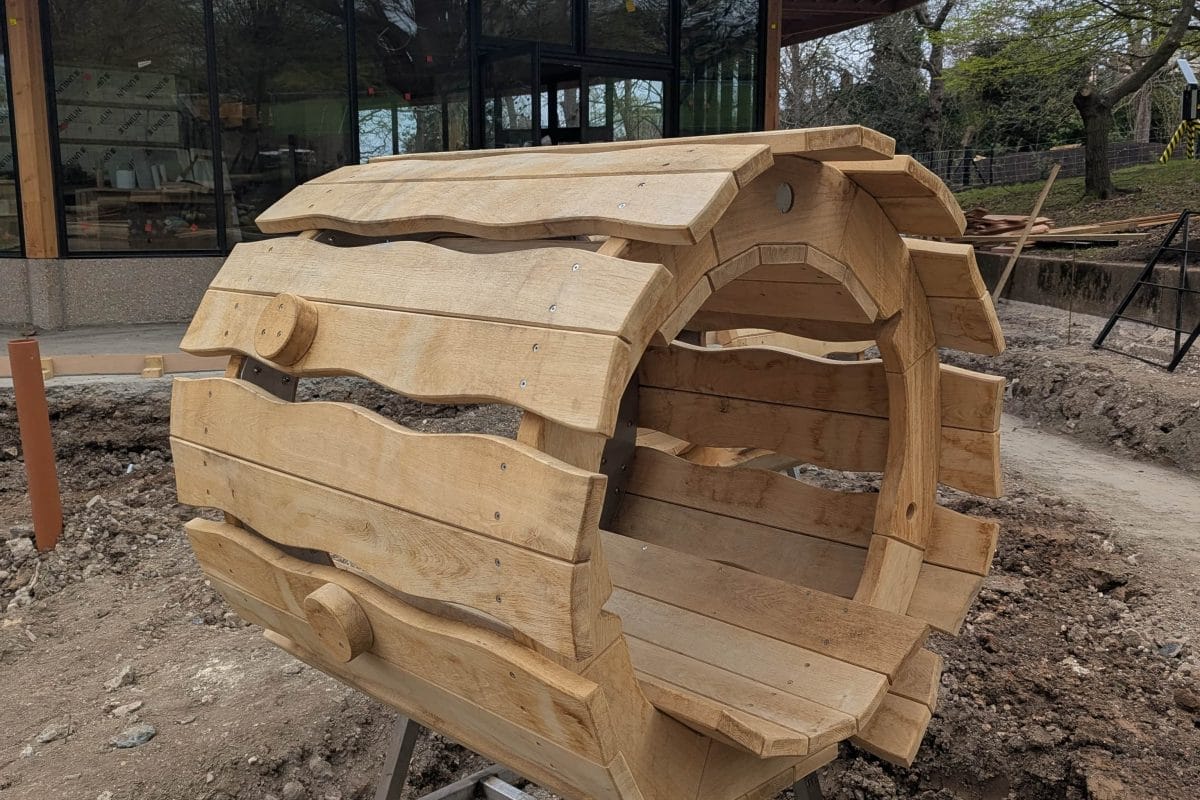
The bespoke crafted play equipment has been delivered and is ready to be installed next to the Gardens Cafe. The central feature of the play area – which is themed around local wildlife – is a wooden jetty which evokes the site’s history as a model boating pond. Underground drainage channels are being dug to minimise flooding.
The new ramp up to the Nature Trail is now in place, which will provide improved access onto the Trail. New interpretation panels are being added and will provide information on the diverse wildlife on the Trail and the area’s history as part of the Great North Wood.
The gallery building
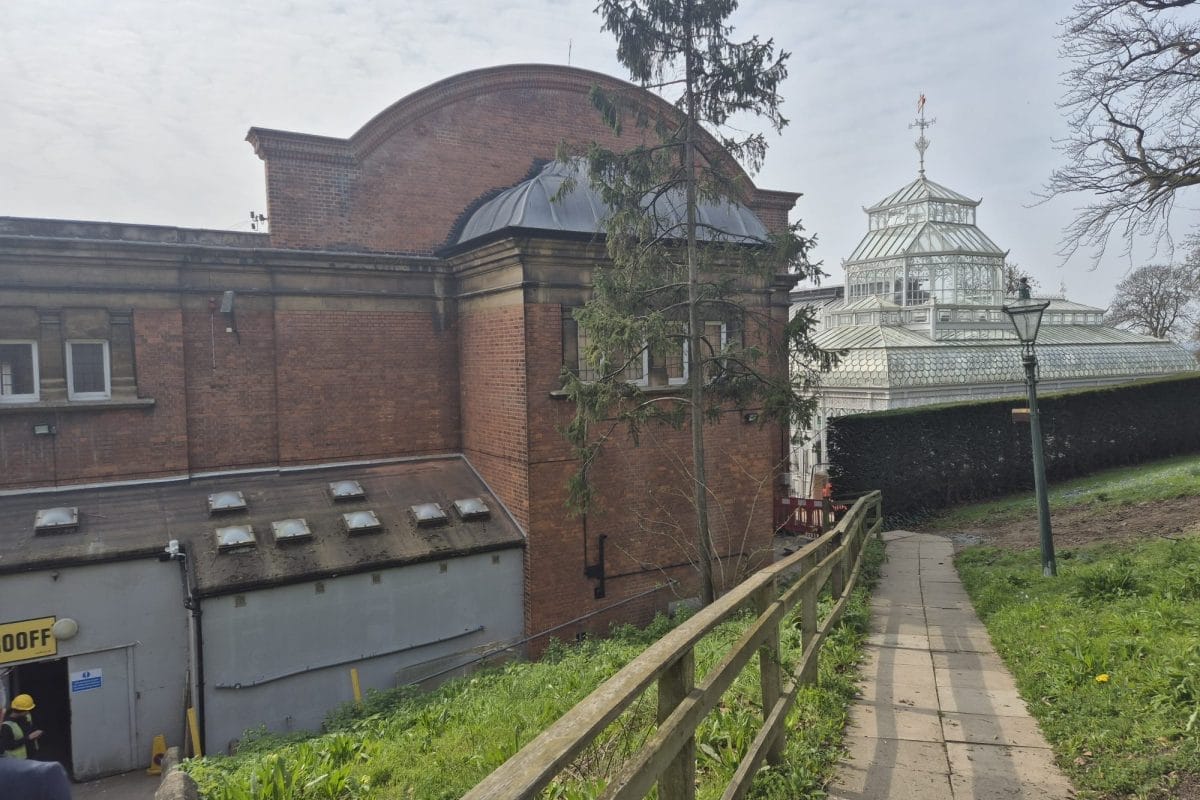
On the roof of the building, we’ve installed 30 solar panels, which will help power the new gallery. The panels cover an area more than twice the size of the mosaic at the front of the Museum. The panels will help save 4.1 tonnes of CO2e/year – roughly equivalent to the emissions generated from driving from London to Cape Town and back – and about £3,000 per year in electricity costs.
The historic masonry has been repaired and the gallery’s decorative brickwork has been restored. The scaffolding was then taken down in March 2026.
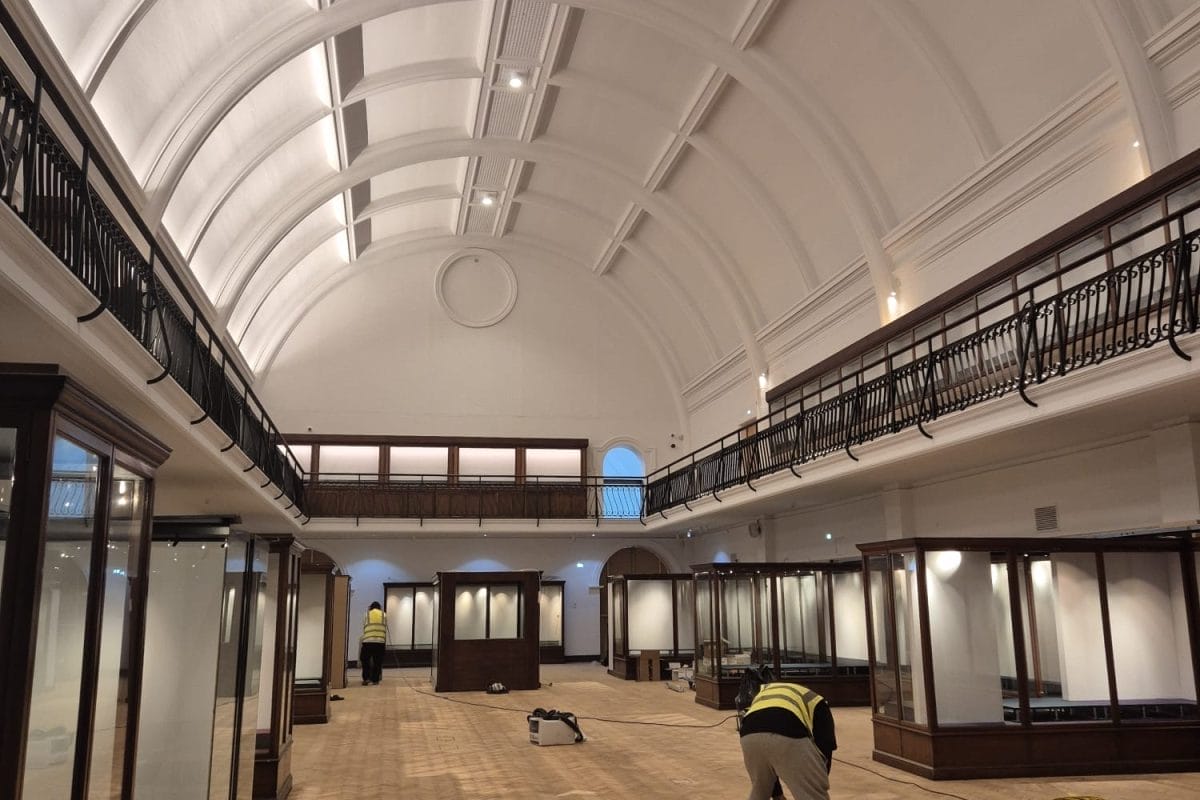
At ground level, we’ve carried out some essential damp proofing work to ensure the long-term preservation of the building and displays. And inside the gallery, the floor has been sanded and the space made ready for objects to be returned.
The gallery displays
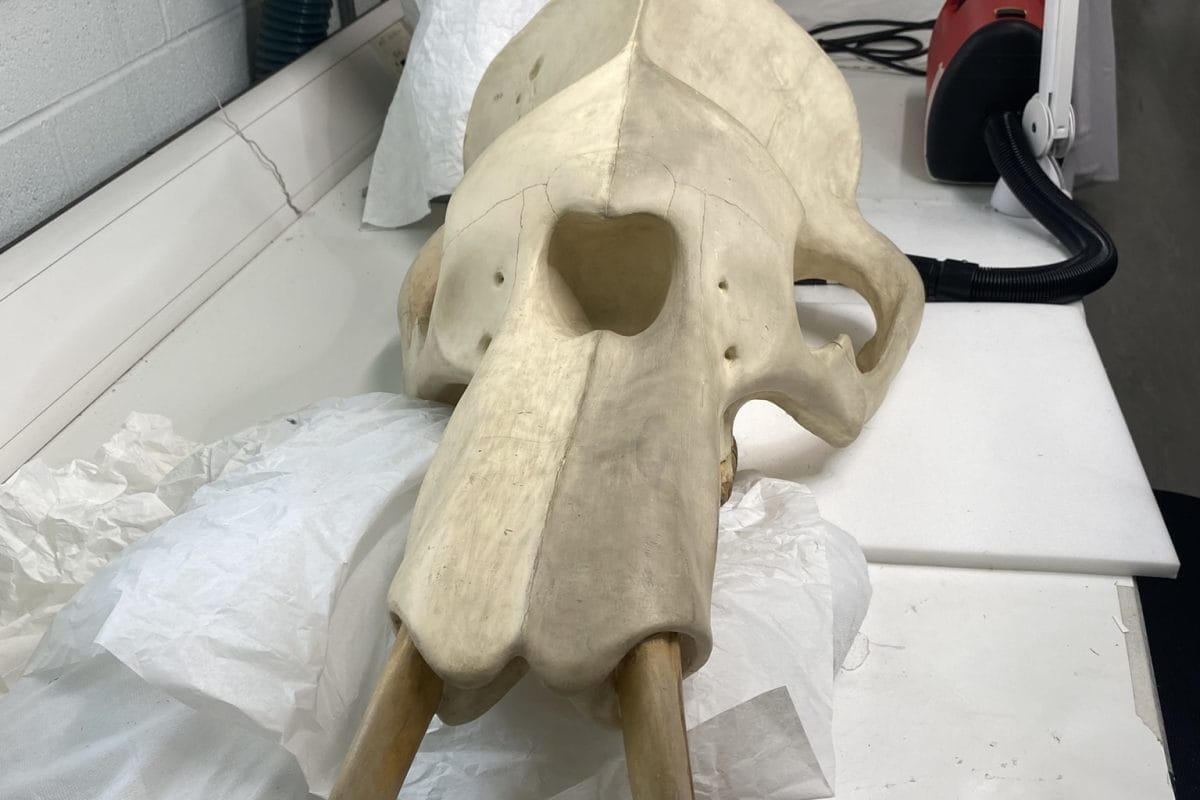
The incredible task of preparing thousands of objects for the new displays is nearly complete. So far, 1,059 objects have been conserved, from the fossilised to the taxidermied, and from insect models to ichthyosaurs. The remaining 184 that need attention will still require nearly 2,000 hours of painstaking conservation!
All of the plinths for displaying the objects have been built off-site and have started to arrive this month, and our curators are busy with the final editing of the new gallery labels and interpretation.
Activity Plan
Our ambitious programme of consultation, co-production and testing with a range of schools, community groups and advisory panels is continuing.
By the end of 2025, 131 dedicated volunteers had contributed 7,765 hours of support for the project, and our Environment Champions Community is approaching 4,500 members.
We have been working with a specialist marketing and design agency to create a vibrant, appealing and welcoming campaign for the Horniman which will be coming to a billboard near you when Kusuma Nature Play opens.
You can read more about the Nature + Love project here.