


Early Years
David Boston was born in Wiltshire in 1931, but grew up in South Africa during the Second World War where his family evacuated. He read History at Cambridge, serving as Keeper of Ethnology at the Liverpool Museum and then Assistant Keeper of New World Archaeology and Ethnography at the British Museum, before joining the Horniman in 1965.
Boston had a strong association with the Royal Anthropological Institute, twice serving as Vice President, as well as holding senior positions at the Museums Association and the International Council of Museums.
Challenges at the Horniman
One of David Boston’s biggest tasks upon joining the Horniman was a growing collection with shrinking space. The collections held at the Horniman, previously spread across the Museum galleries and stored at the old Surrey Mount House (which sat at the top of the Gardens), were fast exceeding the space available.
David Boston oversaw the expansion of the Horniman, which provided a new Education Centre and an extension of the West Hall (no longer existing but roughly where the Conservatory terrace is now). Alongside this additional exhibition space, was the acquisition of the present-day Study Collection Centre, which houses approximately 90% of the collections and belongings currently held at the Horniman now away from Forest Hill.
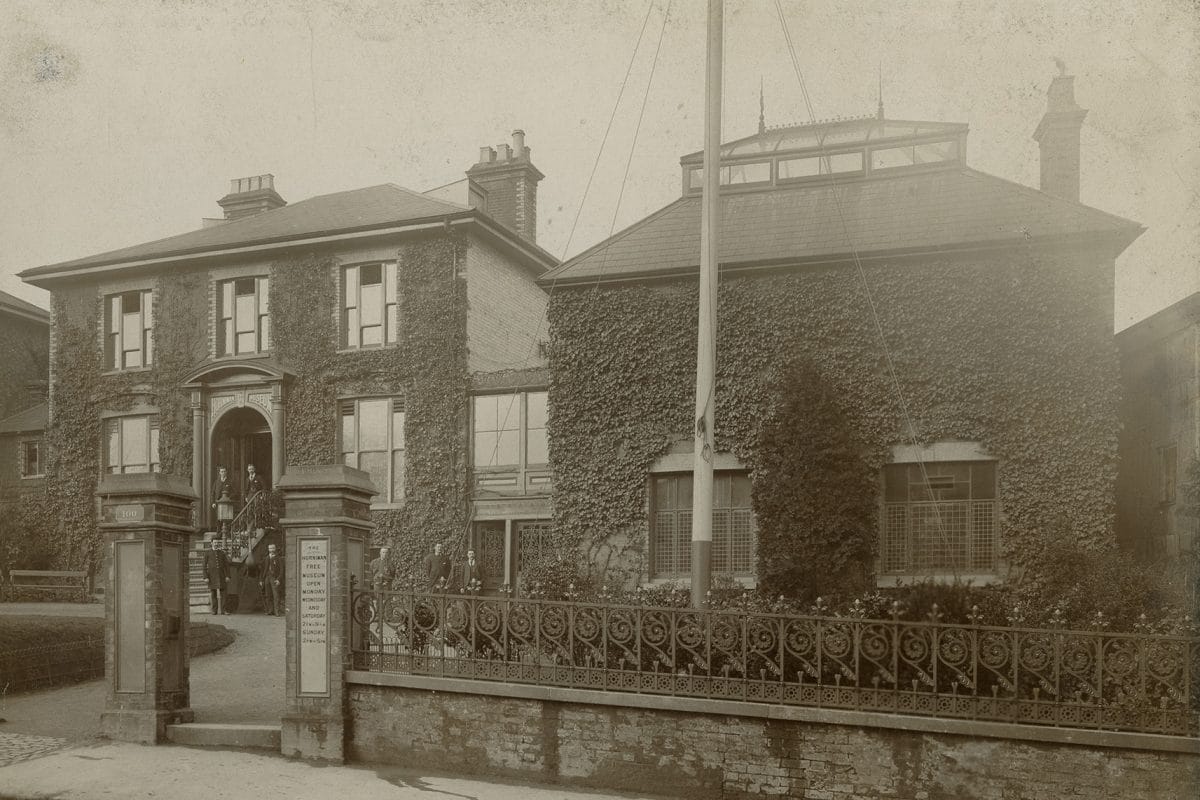
The construction of the Education Centre is indicative of Boston’s tenure, with a distinct focus on ‘structured and focused education work’ for schools and special interest groups. The Horniman’s commitment to schools across London, study and home education remains a core component of the Horniman ethos today.
David Boston also navigated the Horniman Museum and Gardens through some treacherous waters during his time as Director. Until the late 1970s, the Horniman was funded by the London Council, which later became the Inner London Education Authority (ILEA). Political disruption meant that, by the late 80s, the ILEA was disbanded, jeopardising the future of the Horniman. David Boston said in 2013:
“One of our former Chairmen wondered whether we had reached the end of the road, a view only strengthened by an assurance from above that we would be looked after by Lewisham. Privately, I had been told that existing Borough funds could only keep us going for half a year.”
However, the local community rallied to ‘Save the Horniman’. The Friends of the Horniman, an independent charity organisation, was set up to help the Horniman in 1988. On 5 April 1990, the Horniman launched itself as a charitable trust which we remain today.
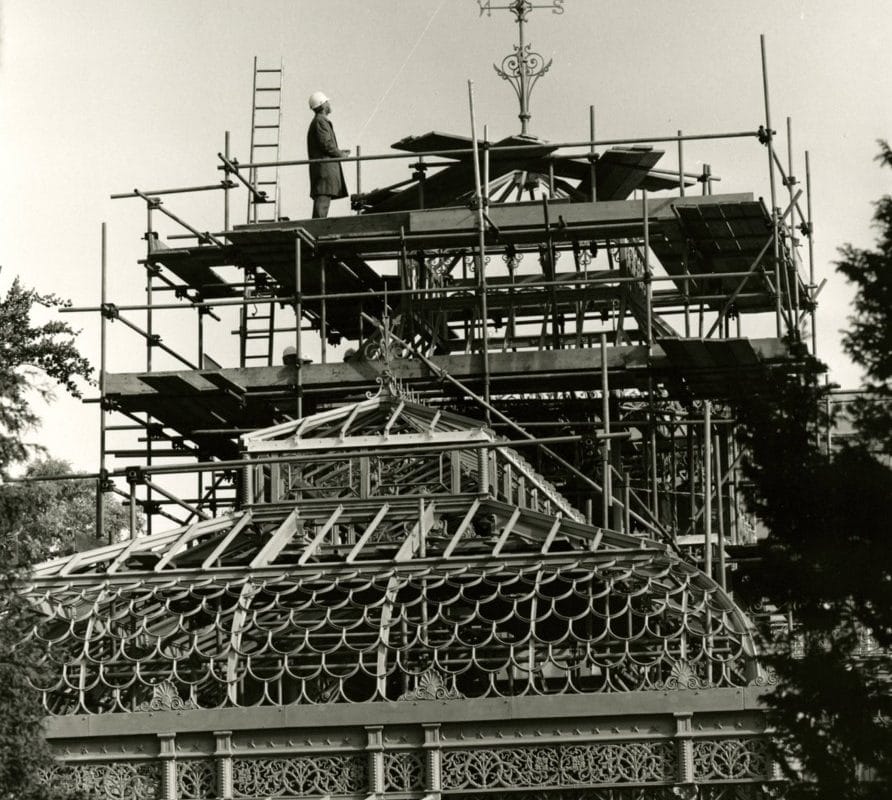
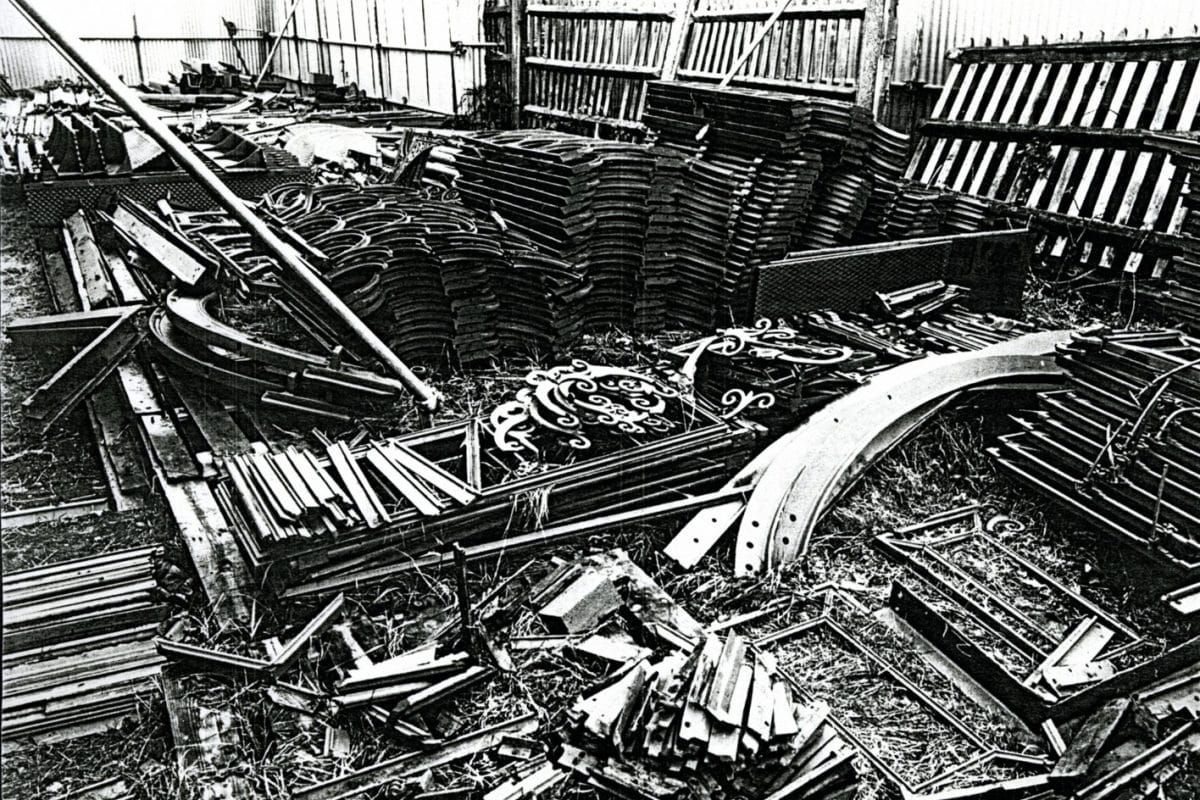
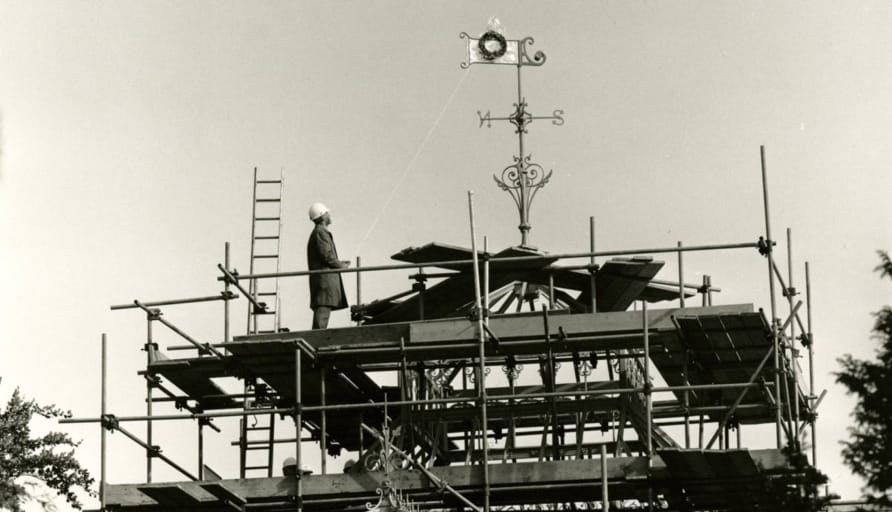
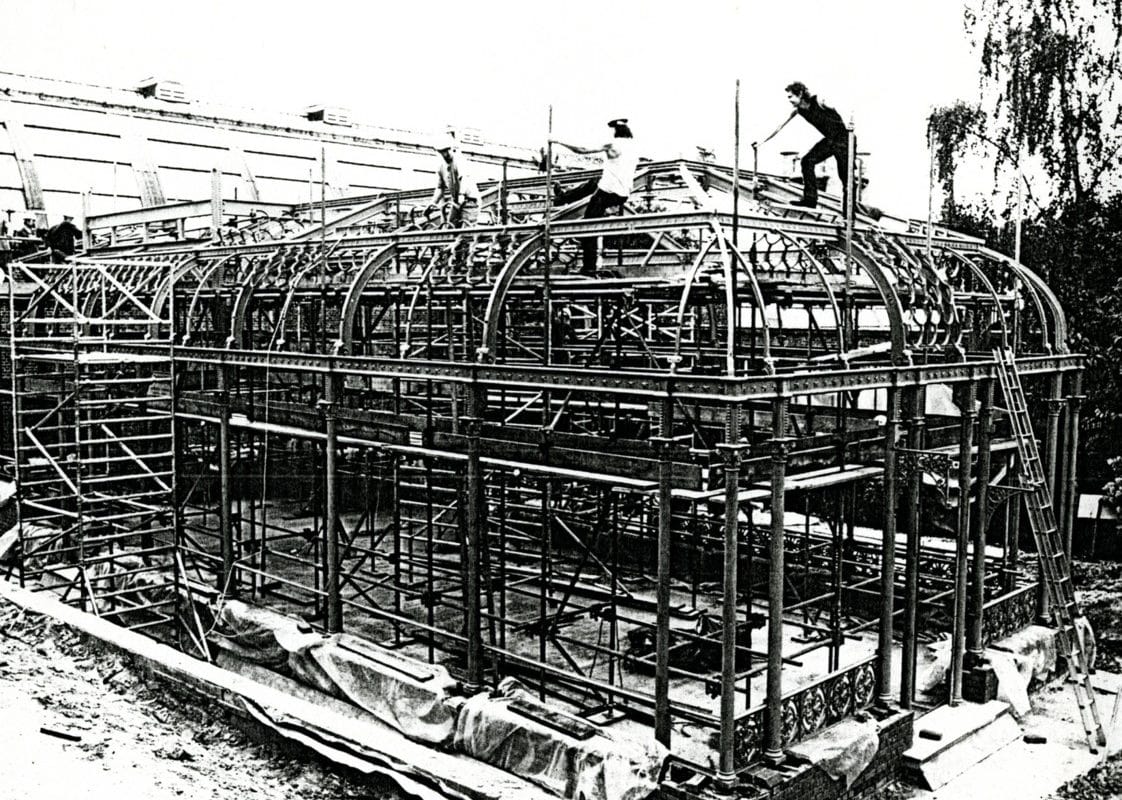
Boston’s time as Director is also characterised by the resurrection of the Horniman Conservatory, the fantastic Victorian glass and cast-iron structure designed in Glasgow. Originally built in 1894, it was part of Frederick Horniman’s parents house – Cliffe Combe in Croydon. The Conservatory was disused, derelict and badly damaged from a fire in 1977. In the 1980s, David Boston campaigned for its preservation and move it to the Horniman, oversaw the reconstruction, garnering public support from many including Spike Milligan. It reopened in October 1989 to much fanfare, and is still a popular venue for weddings, parties and events at the Horniman in the present day.
The Surrey Mount site was also a focus for David Boston during the 1970s. It had been badly damaged in the war, and Boston launched the Horniman’s Dream project to replace Surrey Mount with new galleries. The plan included underground space but never materialised due to lack of funding.
Masks, puppets and the sand painting
David Boston was instrumental in expanding the Museum, and programming smaller and temporary exhibitions at the Horniman. In 1983/84, an exhibition of Romanian folk art in the West Hall drew praise, as did Boston’s first temporary exhibition which focussed on the lives and experiences of the Hadza/Hadzabe community in Lake Eyasi, Tanzania.
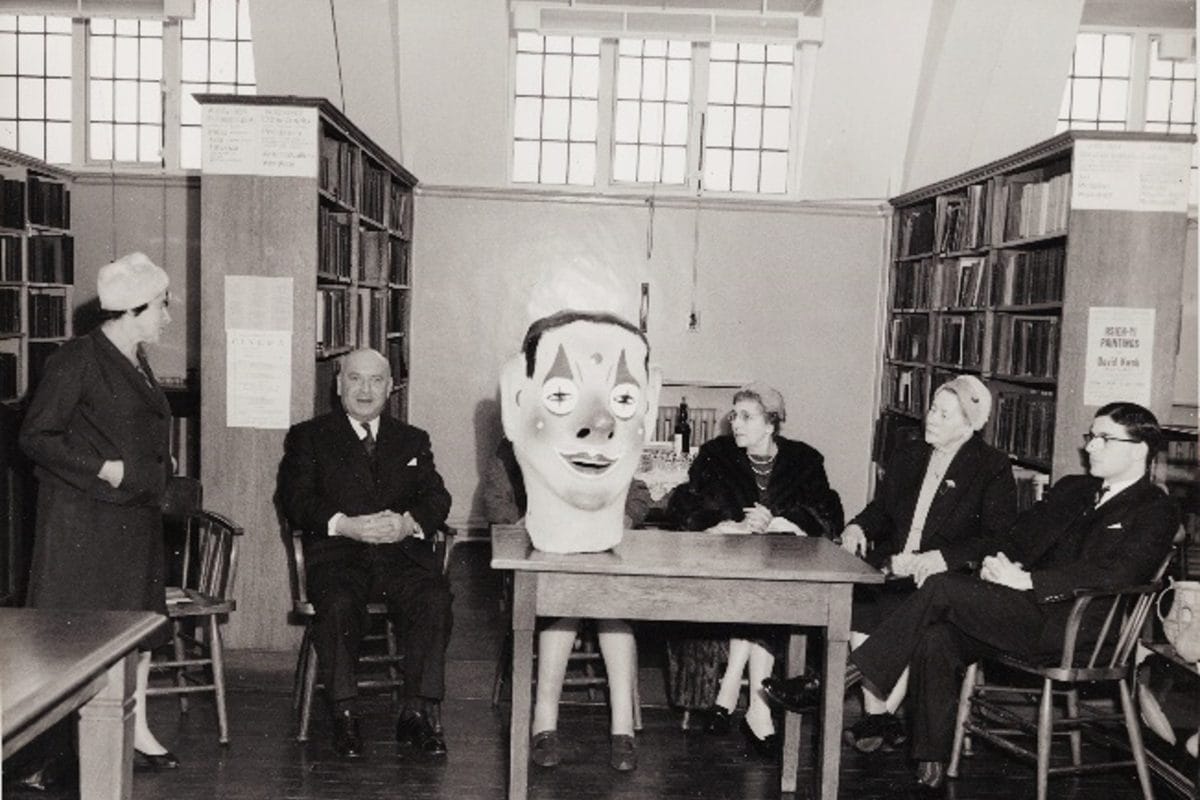
Replacing this exhibition in the early 1980s, was a popular mask exhibition which remained on display through much of the decade. Contextualisation of the masks from around the world was limited beyond the country or origin, but it was a popular exhibition amongst school children and wasn’t dismantled until 1994.
On the South Hall balcony, a puppet exhibition also became admired by the public. Although smaller than the mask exhibition, the puppets were arranged whereby they could be seen in from the stairs.
Another exhibition overseen by David Boston was the display – First American -curating objects from indigenous communities. This was first displayed in the West Hall, with significant elements of the same exhibition redeveloped in what is now the World Gallery. This exhibition included ceramic and metalwork from modern day Peru; representations of communities, peoples and cultures from the Amazon basin; as well as masks of Central and South America.
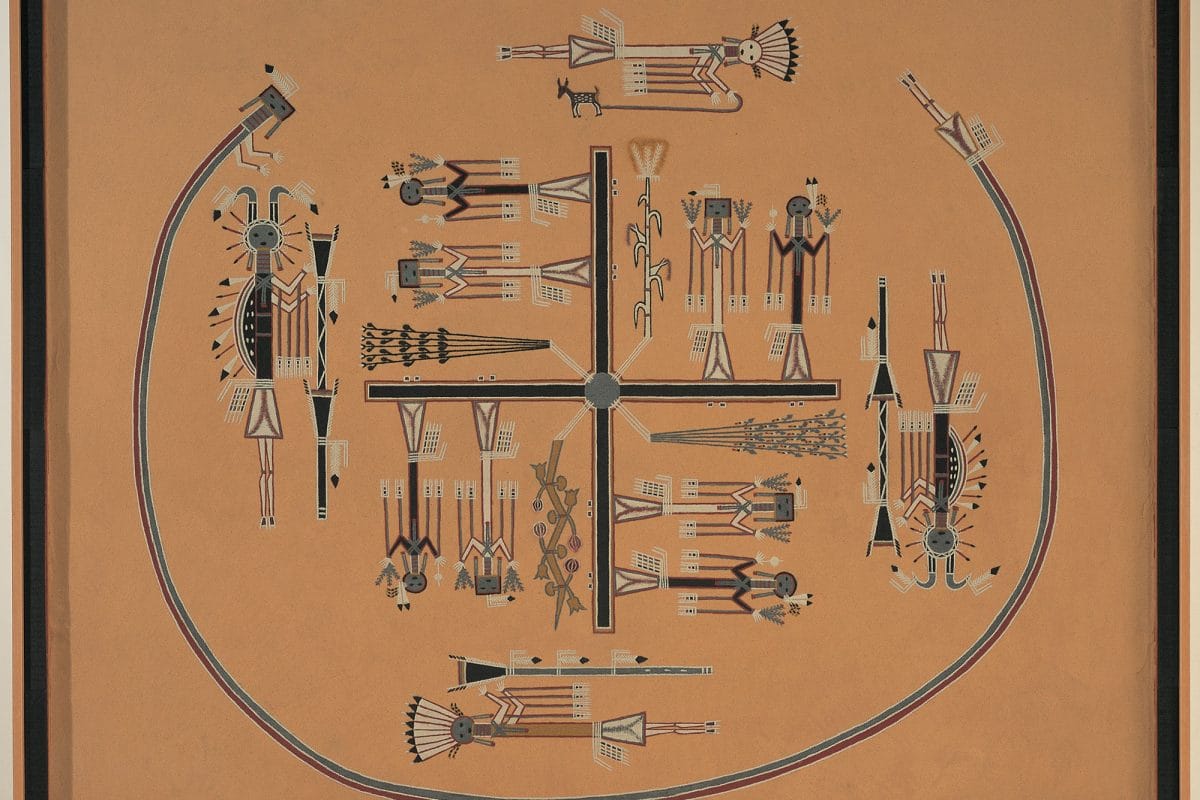
The centrepiece of this display though, was iikaah, the Navajo/Dine sandpainting made by healer Fred ‘Grey Squirrel’ Stevensin the 1960s while it was being made at the Horniman. The panting, titled ‘Whirling Log’, was deliberately left unfinished in line with Navajo tradition. These paintings were customarily destroyed as part of the healing process and thus left unfinished for display purposes. You can see the painting on display at the Museum entrance today.
Legacy
David Boston was appointed an OBE in 1976, retiring from the Horniman in 1993. Even in his retirement, he remained an active member of different museums including Quebec House in Kent when he moved to Westerham.
David Boston died 13 March 2021 but his legacy remains an important one as he navigated the Horniman through significant change in our governance. helping shape the Museum and Gardens into what they have become today.