Gardens
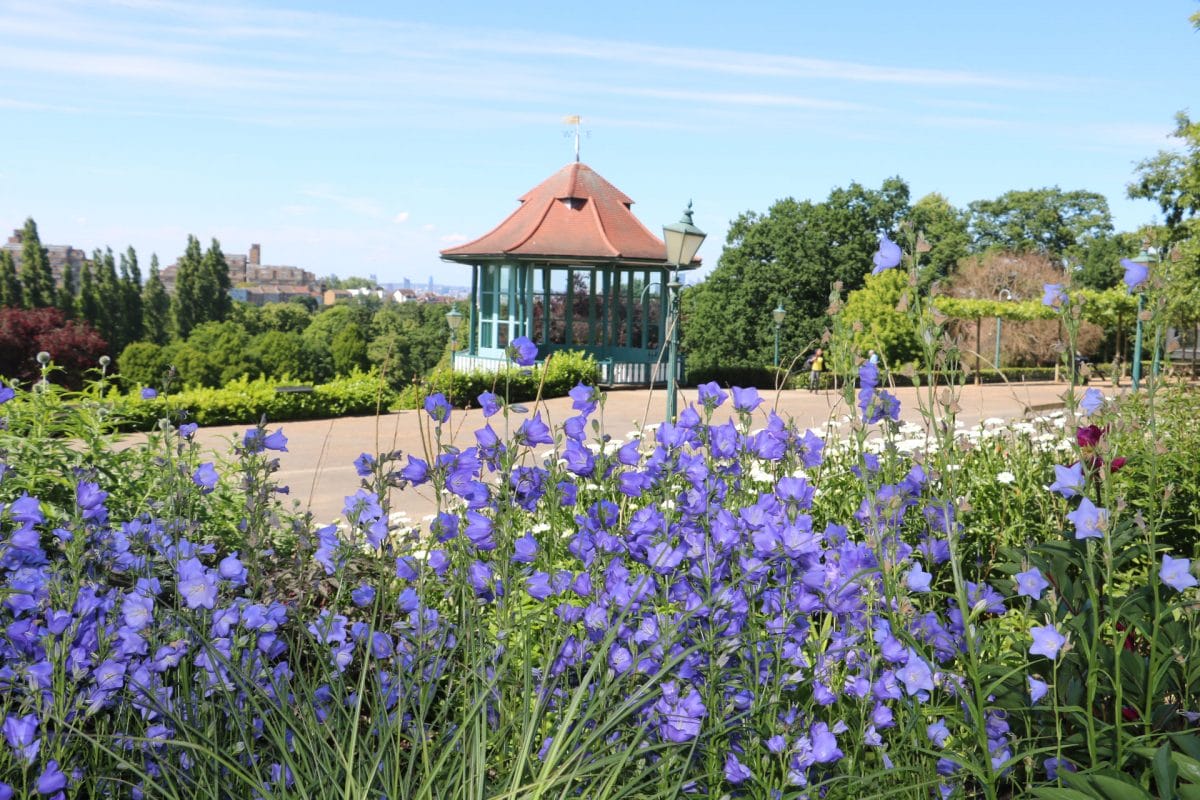
Alongside the Grasslands and Sunken Gardens are a number of other fields, meadows and displays, with something for everyone.
You may spot foxes and other wildlife in the Gardens. Please do not feed or attempt to touch these animals. To protect their safety and yours they need to have a natural fear of human interaction, and avoid dependence on human food.
Please be aware Garden spaces are currently undergoing works with two new areas of the Gardens opening in 2026. Please bear with us during the building works.
Sound Garden
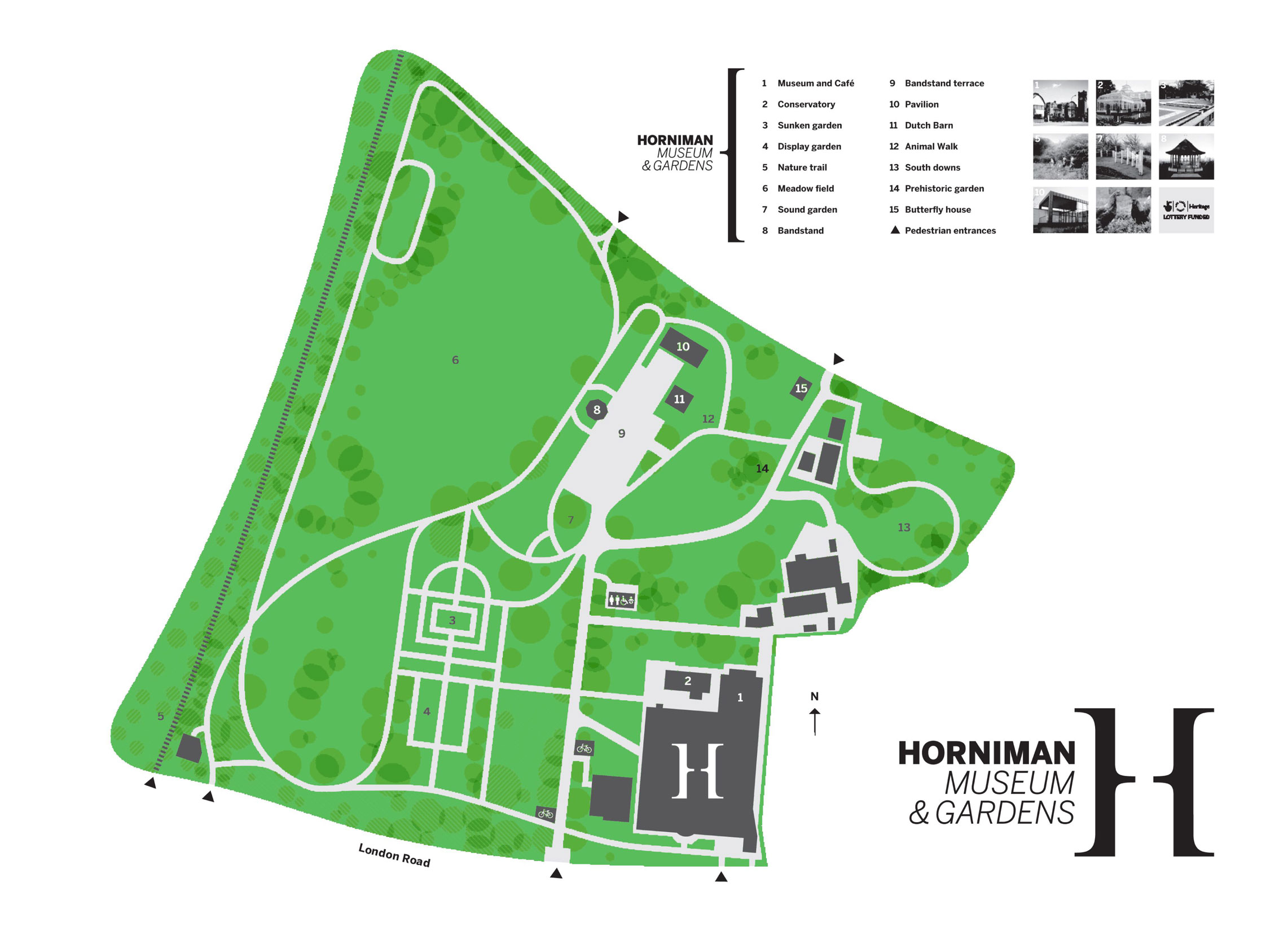
This hands on Garden space inspired by our musical instruments collection features world instruments you can play on a giant scale.
Meadow Field
A large green space below the Bandstand, this is the area of the Gardens where dogs are allowed off the lead. The area originally included a boating pond, constructed in the 1920s, but this was drained and resurfaced in the 1960s and is now used as an informal play area.
South Downs Meadow
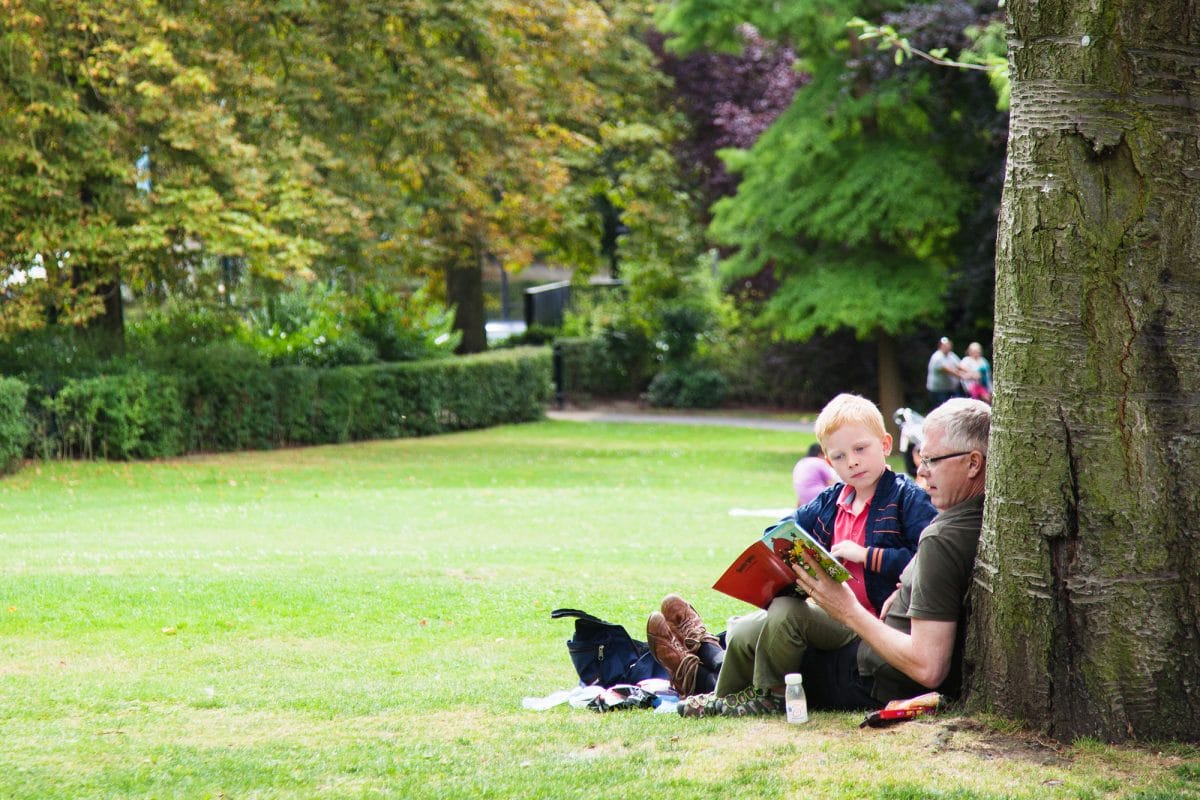
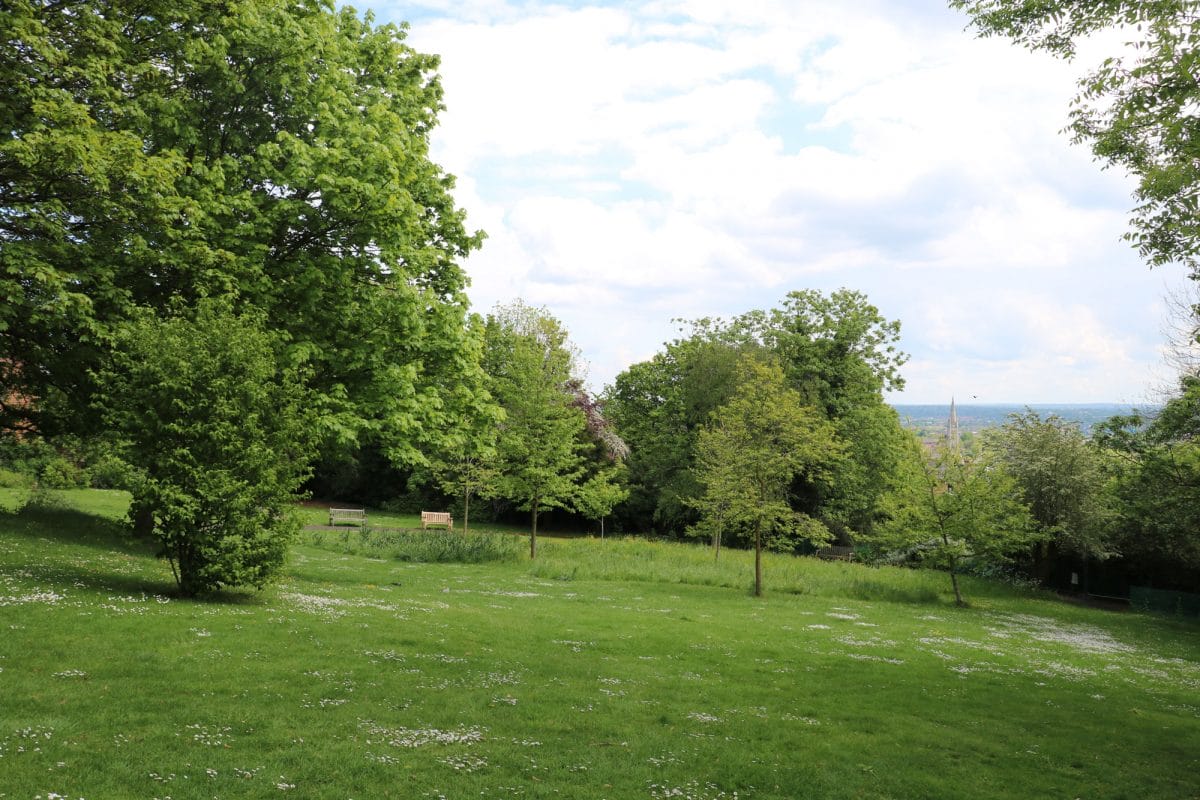
A quiet, contemplative area at the eastern edge of the site offering views over Kent and the South Downs. Perfect for a picnic, yoga or reading.
Prehistoric Garden
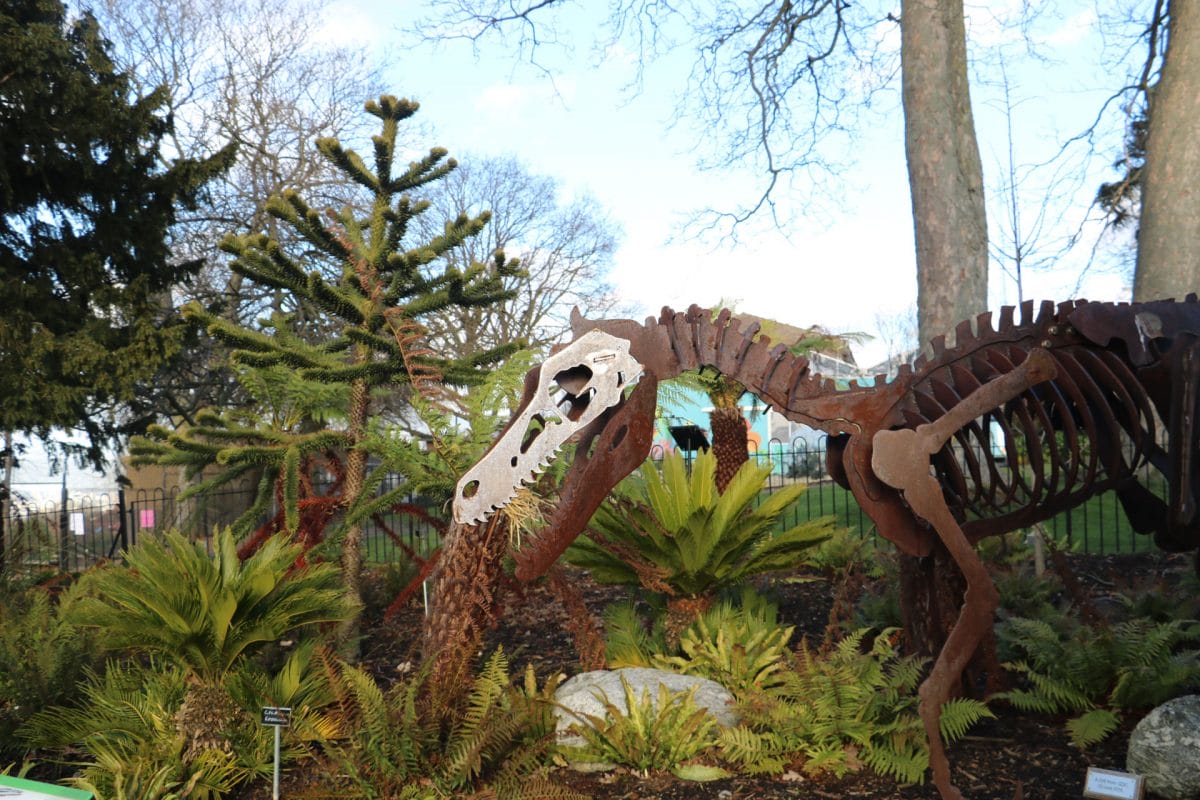
At the top of the Gardens is a display of ‘living fossils’ filled with plant species that have been around for thousands of years, but keep an eye out for the Velociraptor!
The Prehistoric Garden includes a ginko tree, as well as tree ferns, cycads, and a monkey puzzle tree. Monkey puzzle trees were around in the Mesozoic Era. Also in this display is a Wollemi pine, which was thought to be extinct until 1994, when they were rediscovered in a remote location in Australia.
The tree ferns were particularly appealing to low-slung herbivorous dinosaurs like the stegosaurs because they did not grow too high off the ground.
Bee Garden
The Bee Garden is currently getting a makeover – please check back for updates.
A display designed to provide lots of tasty plants for bees and different types of bee hotels.
Wildlife Garden
An outdoor classroom full of wildlife. Visit the Schools pages to find out more about visiting with your school or group.
Find out more about our other Gardens and sights to see around the Horniman:

Closing times
The Gardens close at the following times in 2026:
- Until Sunday 8 February: 4.20pm
- Monday 9 February – Sunday 1 March: 5.30pm
- Monday 2 March – Sunday 29 March: 6.30pm
- Monday 30 March – Sunday 3 May: 7.30pm
- Monday 4 May – Sunday 23 August: 8.30pm
- Monday 24 August – Sunday 27 September: 7.30pm
- Monday 28 September – Saturday 24 October 2025: 6.30pm
- Sunday 25 October 2026 – Sunday 7 February 2027: 4.20pm
These times refer to the Horniman Drive gates. Other gates in the Gardens may close earlier.
In 2026 the Gardens will be closed on the following dates for large events or holiday closures:
- 27 June
- 31 October
- 25 December
Find out more about Gardens closures
Garden works
Sunken Gardens
We will be removing the hedge around the Sunken Garden and replacing it with forty apple trees that will be trained to form a low barrier. These trees will be attractive to wildlife and a beautiful addition to the Gardens for visitors. They will have blossom in the spring and eventually bare fruit in the autumn too.
The decision to remove the Buxus hedge is due to the impact of the Buxus moth, which is badly affected. In line with our Climate and Ecology Manifesto, we want to reduce and eventually stop any chemical management of pest and disease on site. The Buxus hedge is one of the last remaining plants that requires regular, sustained chemical treatment to keep it alive and looking healthy.
Nature + Love works
In the Gardens, you can use the Meadow Field but please note there is no through route around the bottom of the Field. Please use the crossing point below the Bandstand Terrace. Some areas of the Gardens may be closed and visitor routes changed.
Some parts of the South Downs Meadow are not accessible to the public while work is being done to create our new Gardens Nursery.
Some other areas of the Gardens may be closed and visitor routes changed at short notice. Please follow signage onsite and be aware of increased vehicle traffic.
Tree maintenance and care
The trees in the Horniman Gardens are looked after by the Gardens Team, we also have them checked regularly by an external surveyor too, this is to manage both the health of the trees and the safety of the public. Occasionally, when a tree is in a state of severe decline it may be deemed unsafe. In those circumstances, we have to consider the most appropriate action and sometimes, as a last resort, this may mean that we have to remove a tree.
Find out more about some of our tree works.
High winds
During high winds, it may be necessary to close the Gardens and Nature Trail at short notice, for the safety of our visitors, staff and volunteers. During very windy days it is advisable to check that the Gardens are open before your visit by phone.
Access
You can watch the video below to get an idea about some of the routes through the Gardens.
While most of the Gardens are wheelchair accessible, some of the paths are uneven and steep in places. Get in touch with our Visitor Hosts if you have any questions about parts of the Gardens.
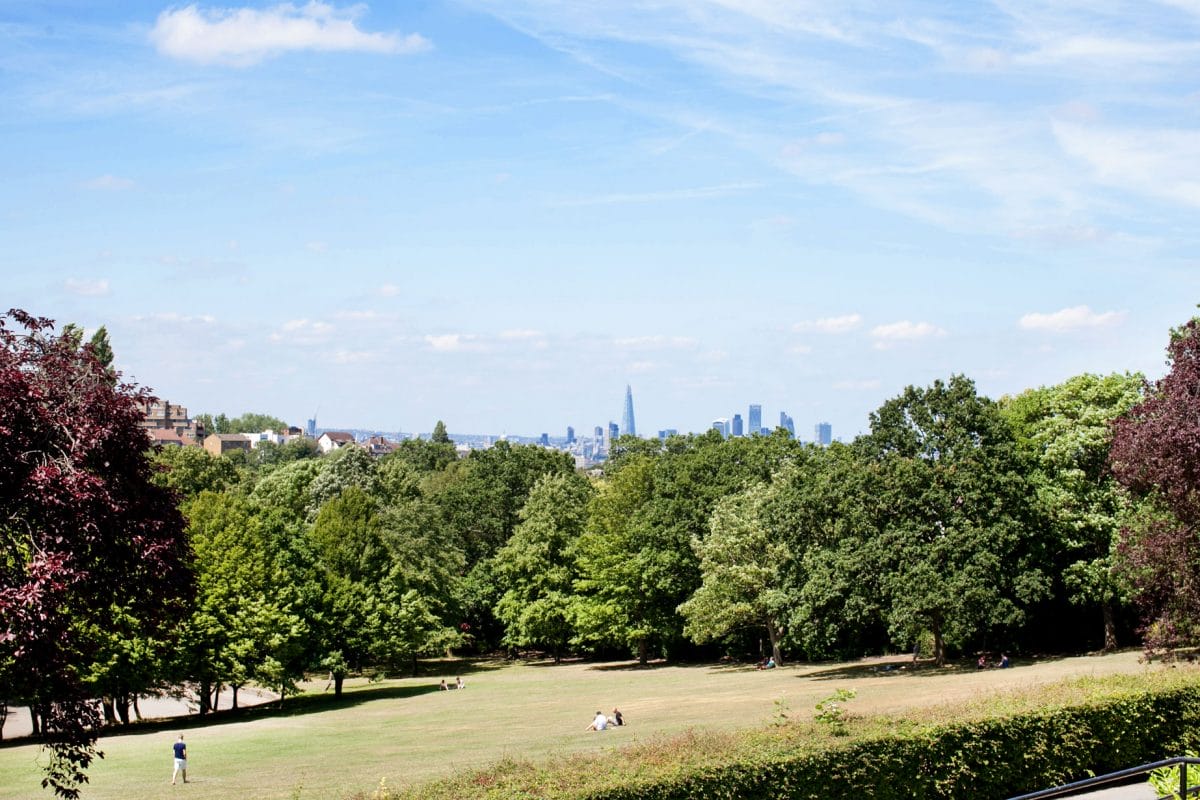
Amazing views out over a sunlit London from the Horniman.