Gardens
Alongside the Grasslands and Sunken Gardens are a number of other fields, meadows and displays, with something for everyone.
Download a map of the Gardens (PNG)

You may spot foxes and other wildlife in the Gardens. Please do not feed or attempt to touch these animals. To protect their safety and yours they need to have a natural fear of human interaction, and avoid dependence on human food.
Summer Season
The Gardens will be closed, partially or fully, to non-ticket holders for the following events:
Full Gardens closures
- Saturday 31 October – Day of the Dead family festival
- Friday 25 December – Christmas day
Sound Garden
This hands on Garden space inspired by our musical instruments collection features world instruments you can play on a giant scale.
Meadow Field
A large green space below the Bandstand, this is the area of the Gardens where dogs are allowed off the lead. The area originally included a boating pond, constructed in the 1920s, but this was drained and resurfaced in the 1960s and is now used as an informal play area.
South Downs Meadow
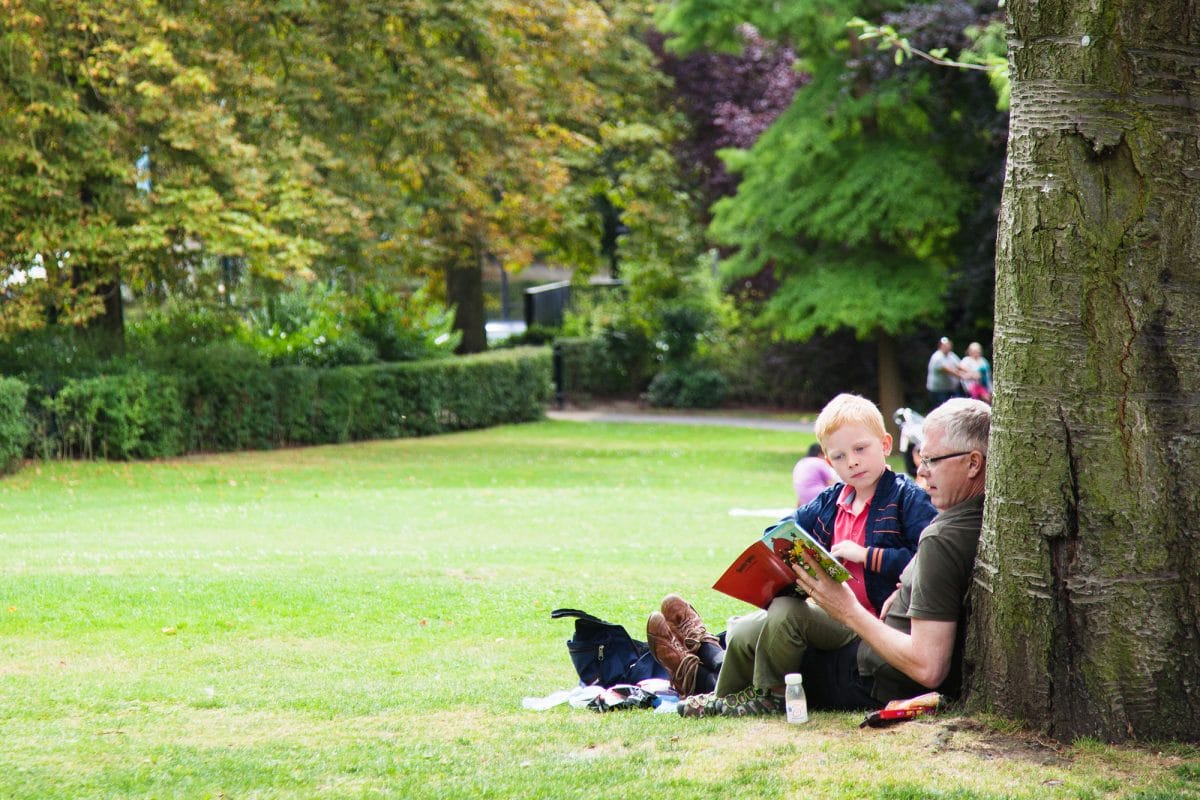
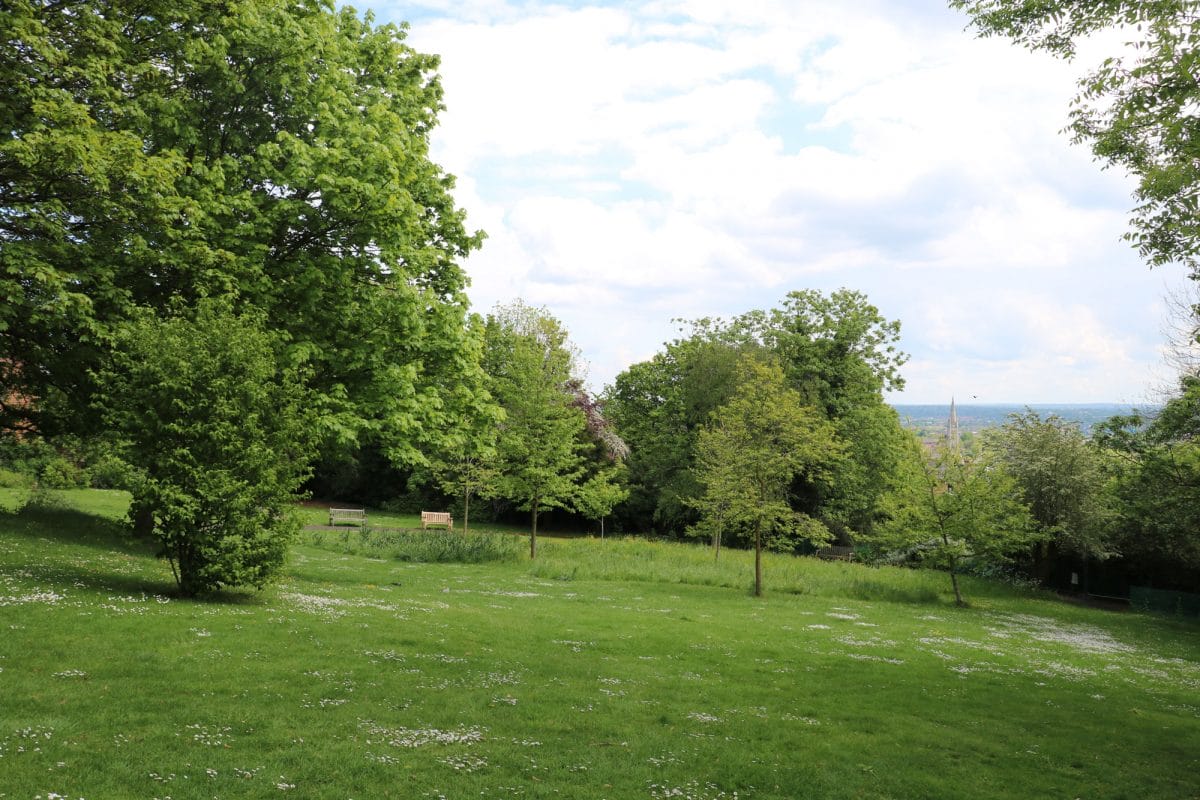
A quiet, contemplative area at the eastern edge of the site offering views over Kent and the South Downs. Perfect for a picnic, yoga or reading.
Prehistoric Garden
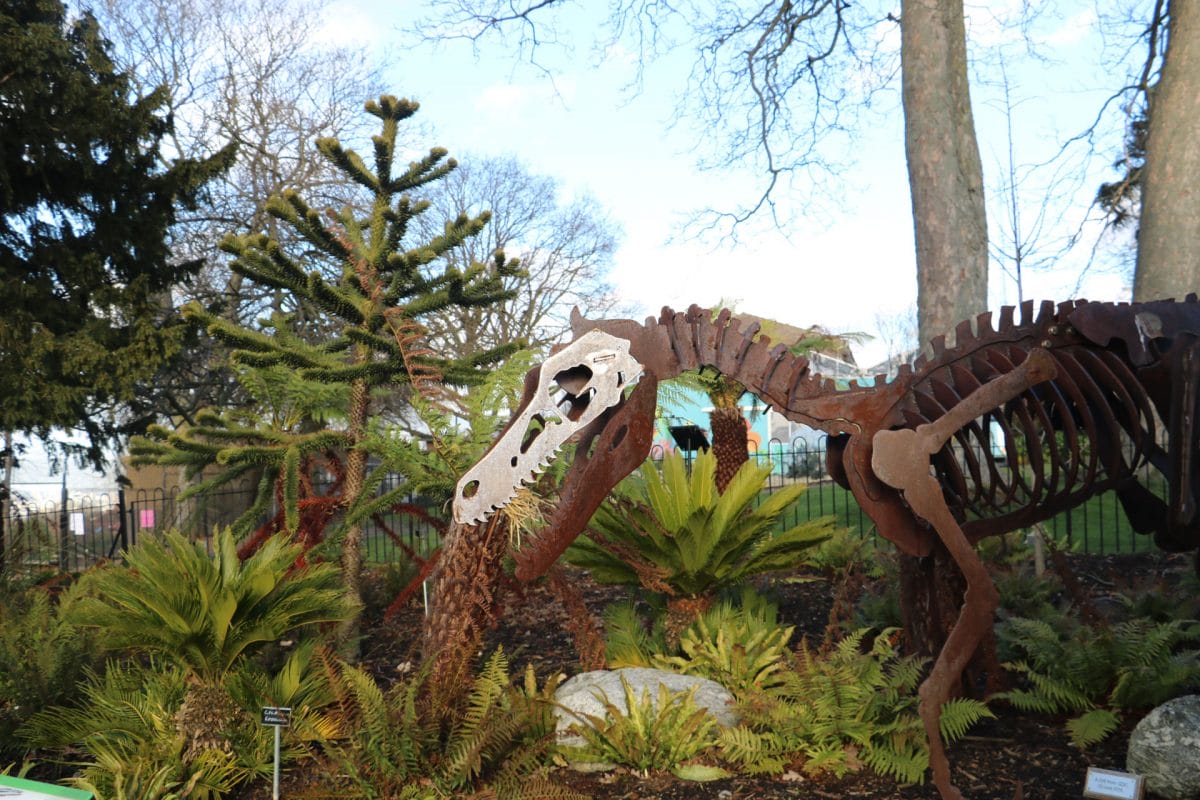
At the front of the Museum is a display of ‘living fossils’ filled with plant species that have been around for thousands of years, but keep an eye out for the Velociraptor!
The Prehistoric Garden includes a ginko tree, as well as tree ferns, cycads, and a monkey puzzle tree. Monkey puzzle trees were around in the Mesozoic Era. Also in this display is a Wollemi pine, which was thought to be extinct until 1994, when they were rediscovered in a remote location in Australia.
The tree ferns were particularly appealing to low-slung herbivorous dinosaurs like the stegosaurs because they did not grow too high off the ground.
Pollinator Garden
Using materials like sand, crushed concrete and soil, this small bed aims to support a wide variety of insects including bees.
Woodland species can thrive in the shady areas while open areas allow plants and insects found in meadows to flourish.
Community Garden
The Community Garden was created in partnership with local community groups as a space that could be used by both community groups and the public as a place of respite and reflection.
The Garden will be used for programmes that support mental well being such as social prescription and accessible gardens programmes.
Gardens Nursery Terrace
The Gardens Nursery Terrace includes views of the South Downs Meadow, and features planters created by community members.
The Gardens Nursery Terrace, just to the right of the Gardens Greenhouses, will mainly be used for community workshops and events, but will sometimes be used for other public events.
Drought Tolerant Planting
How do you plant a garden during a changing climate? Finding plants that need poor soil and very little water. In this south-facing area, we are growing plants called ‘xerophytes’, which are adapted to survive in very dry conditions.
This planting needs very little water or maintenance, helping us garden more sustainably.
London Road Forest Border
Between the Grasslands Garden and London Road is a 300m squared area alongside the boundary with the South Circular.
This was undertaken in 2021, designed to protect local wildlife from one of London’s busiest roads.
Wildlife Garden
An outdoor classroom full of wildlife. Visit the Schools pages to find out more about visiting with your school or group.
Find out more about our other Gardens and sights to see around the Horniman:

Closing times
The Gardens close at the following times in 2026:
- Until Sunday 8 February: 4.20pm
- Monday 9 February – Sunday 1 March: 5.30pm
- Monday 2 March – Sunday 29 March: 6.30pm
- Monday 30 March – Sunday 3 May: 7.30pm
- Monday 4 May – Sunday 23 August: 8.30pm
- Monday 24 August – Sunday 27 September: 7.30pm
- Monday 28 September – Saturday 24 October 2025: 6.30pm
- Sunday 25 October 2026 – Sunday 7 February 2027: 4.20pm
These times refer to the Horniman Drive gates. Other gates in the Gardens may close earlier.
In 2026, the Gardens will be closed on the following dates for large events or holiday closures:
- 31 October
- 25 December
There will be partial closures on the following dates of the Bandstand Terrace and upper parts of the Gardens:
- 5 September
Find out more about Gardens closures
Garden works
Use of water in the Gardens during hose pipe bans
Where you see us using hose pipes in the Gardens, please know we are sourcing this from recycled wastewater from our Aquarium.
We are also using the same source to spot water as needed, to help establish any new planting and trees, which is in line with the official guidelines.
Please speak to a member of our garden team if you have any questions.
Tree maintenance and care
The trees in the Horniman Gardens are looked after by the Gardens Team, we also have them checked regularly by an external surveyor too, this is to manage both the health of the trees and the safety of the public. Occasionally, when a tree is in a state of severe decline it may be deemed unsafe. In those circumstances, we have to consider the most appropriate action and sometimes, as a last resort, this may mean that we have to remove a tree.
Find out more about some of our tree works.
High winds
During high winds, it may be necessary to close the Gardens and Nature Trail at short notice, for the safety of our visitors, staff and volunteers. During very windy days it is advisable to check that the Gardens are open before your visit by phone.
Access
You can watch the video below to get an idea about some of the routes through the Gardens.
While most of the Gardens are wheelchair accessible, some of the paths are uneven and steep in places. Get in touch with our Visitor Hosts if you have any questions about parts of the Gardens.
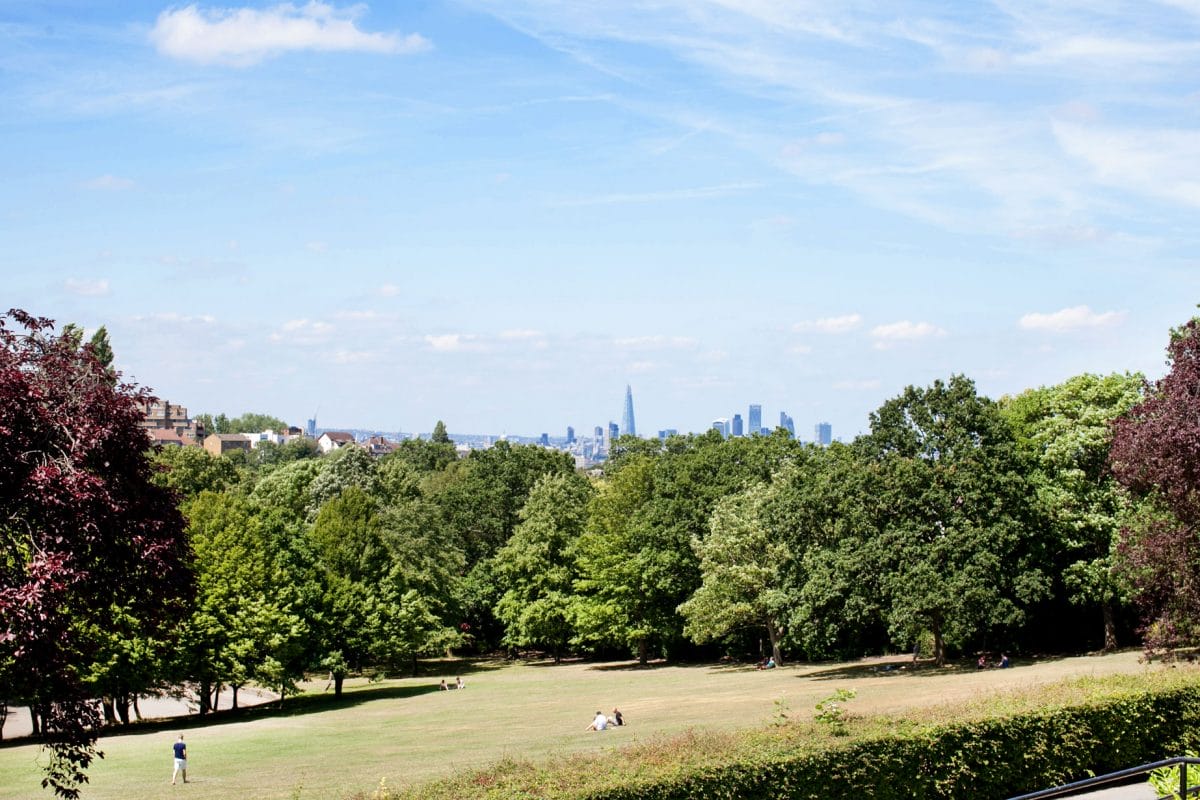
Amazing views out over a sunlit London from the Horniman.