Prehistoric Life
Explore some of the prehistoric objects at the Horniman.
Download the resources below, or if you would like to make your own trails or worksheets tailored to your visit, many of the images and text below (and in our other resources) can be easily copied and pasted to your own design.
- Perhaps use images from objects located in different galleries and in the Gardens to create a challenge or simple trail through the Museum to find specific objects or places.
- Use object images to encourage independent research, for instance, find out and write down three facts about an object or group of objects. Alternatively, give facts or clues and challenge your pupils to identify mystery objects.
- Set an alphabetical challenge ie find or draw 26 objects one for each letter of the alphabet.
- Create a sketchbook challenge.
- This trail will take you past our free photography exhibition ‘Meeting Mohini’. Some parts of this exhibition explore complex themes, and topical issues such as grief, and discrimination; we strongly recommend reading our teacher guidance before your visit: Meeting Mohini: Teacher Guidance – Horniman Museum and Gardens
Please note that our Natural History Gallery is now closed as part of a major 2 year redevelopment, Nature + Love. The rest of our galleries, displays and gardens will be open as usual, with plenty across the site to support your topic (including our Music and World Galleries).
Images in this pack
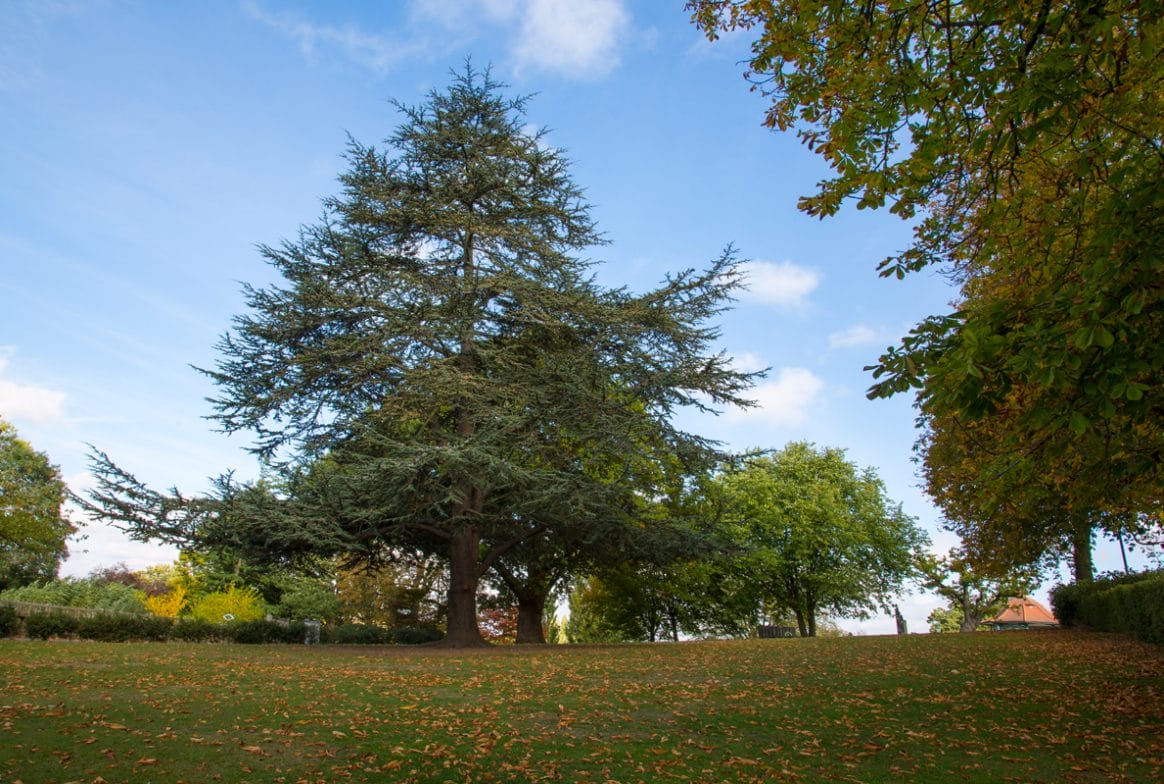
Hunter gatherers
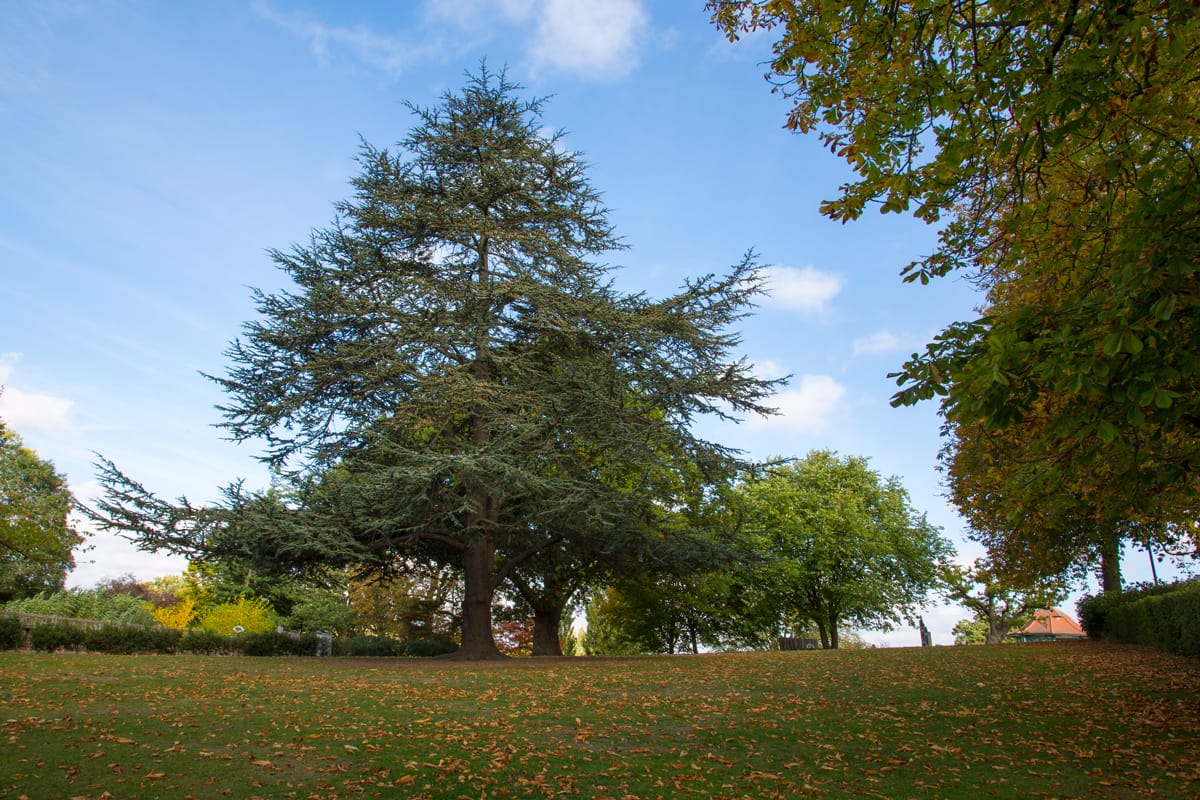
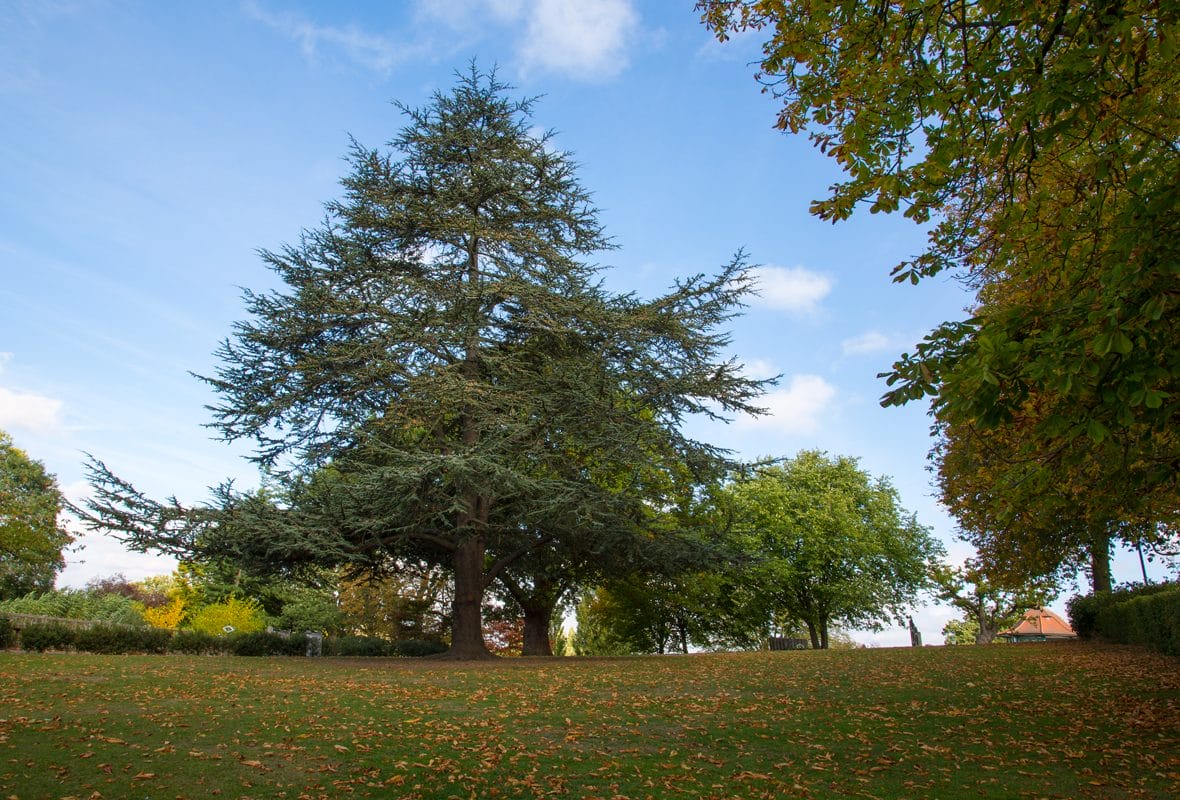
People who lived during the Old Stone Age (Palaeolithic) and Middle Stone Age (Mesolithic) were hunter-gatherers. They moved around with the seasons, instead of living in one place. This gave them a wider choice of animals to hunt and fruits, plants and nuts to gather. What can you find in the Museum’s gardens that a Stone Age person could use or eat?
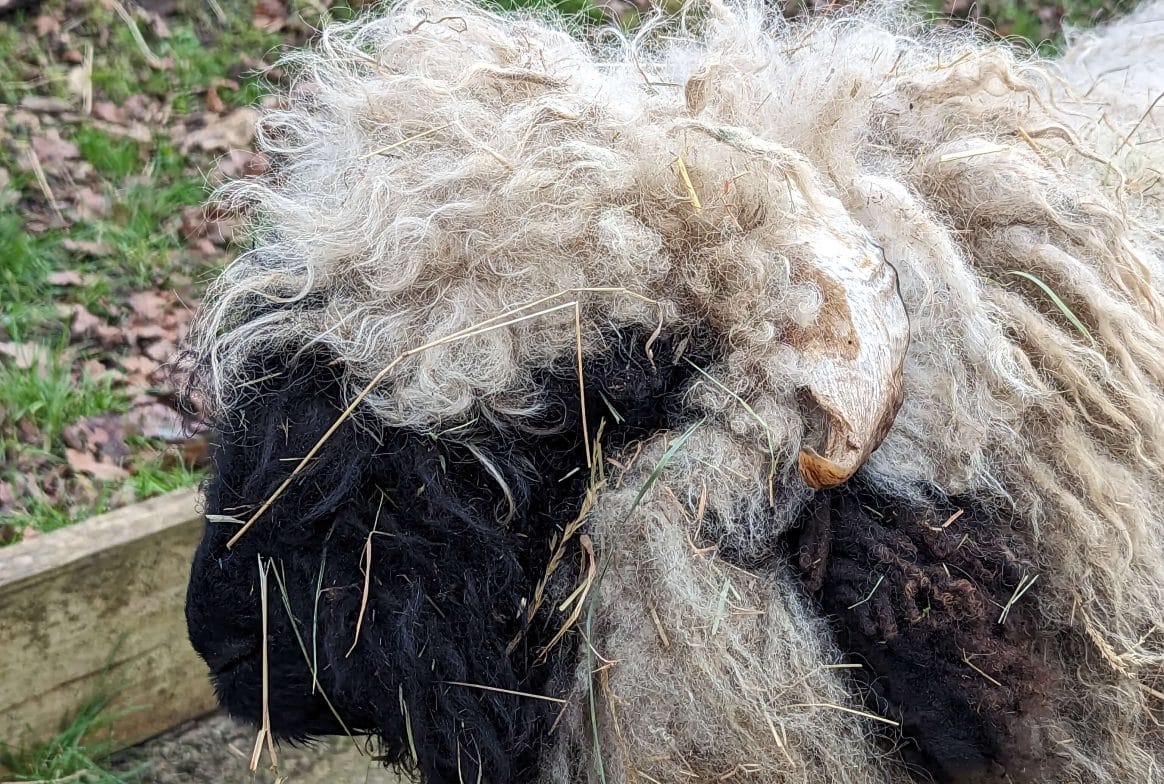
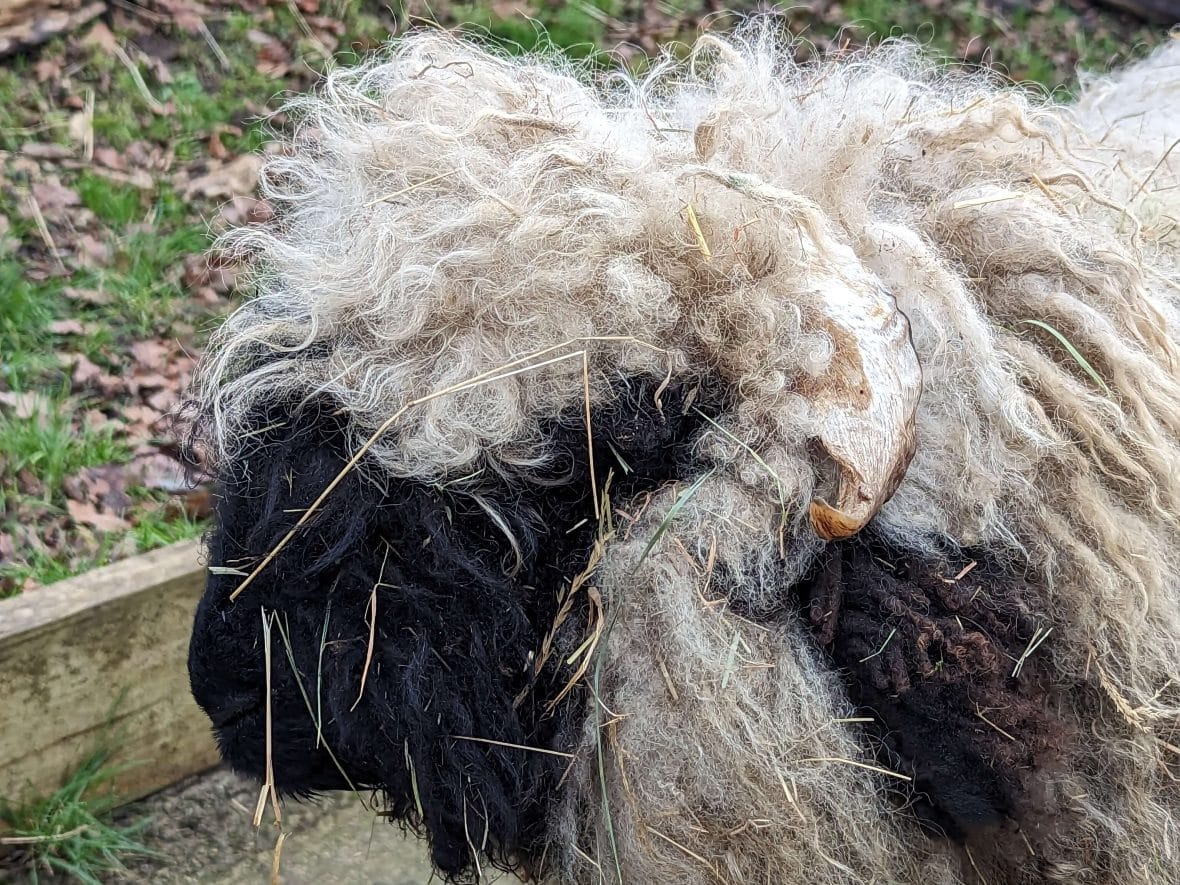
Sheep
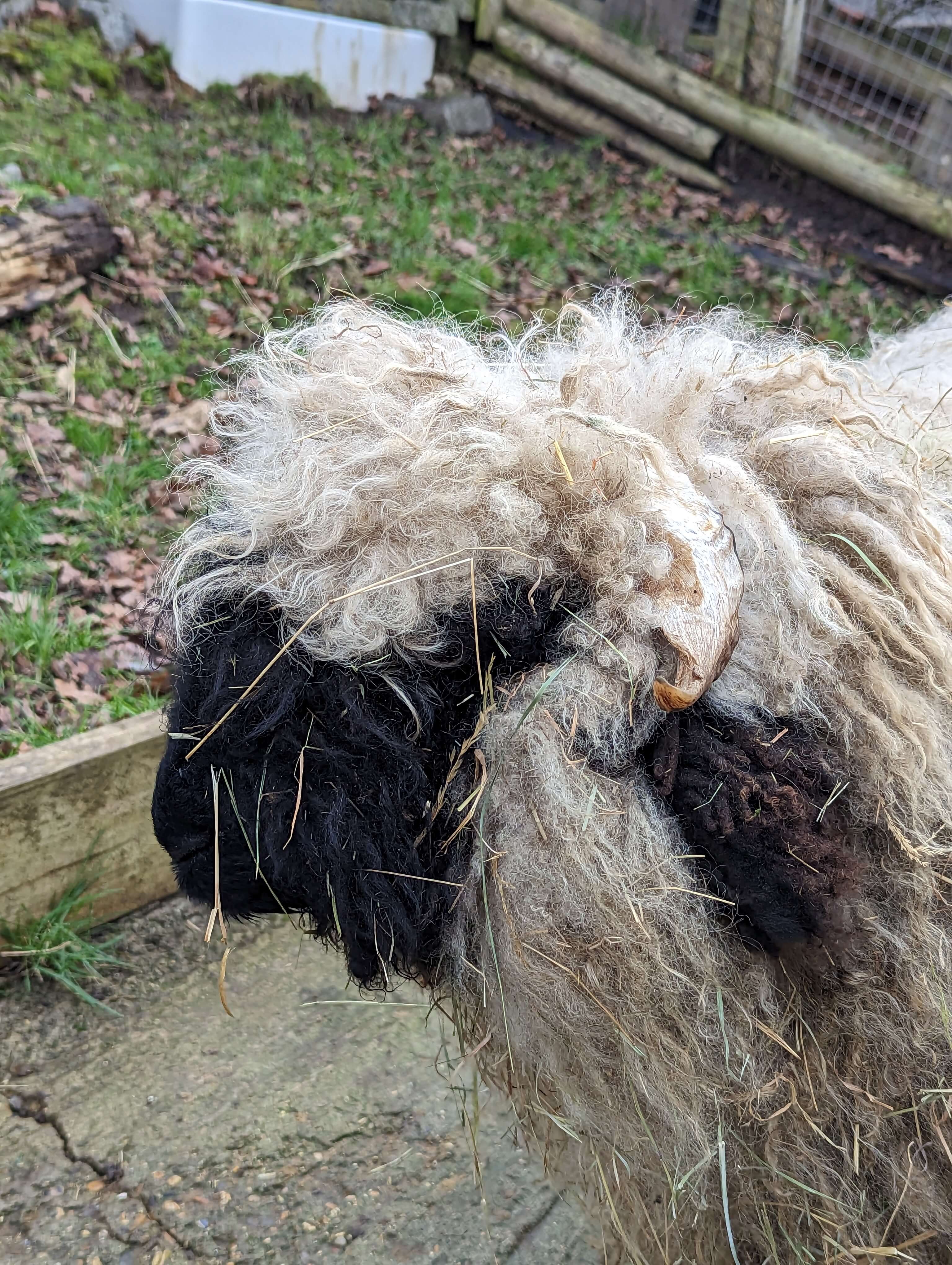
During the New Stone Age, or Neolithic (c.4000-2500BCE), people began to farm and to settle in one place. Wild animals were caught and farmed so that their meat, skin and milk could be used. People started to grow crops too. They used wheat to make bread, just like we do today.
Homes
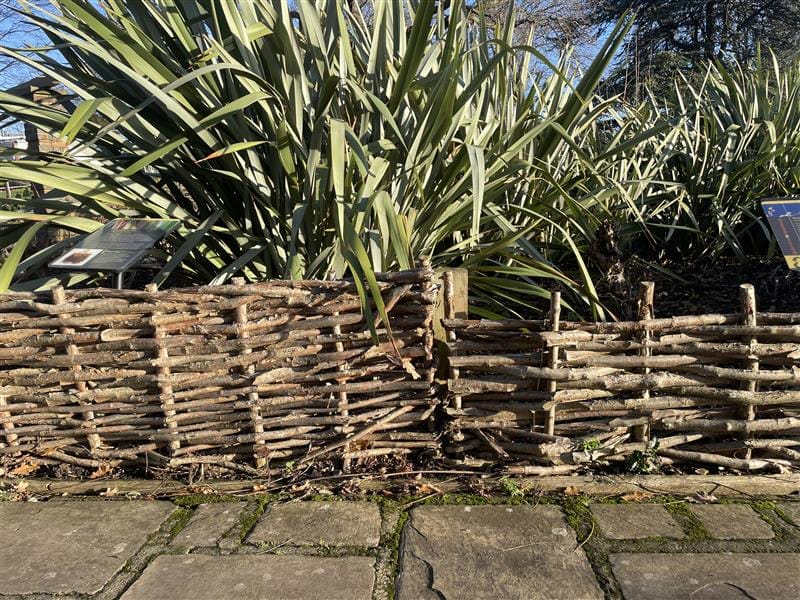
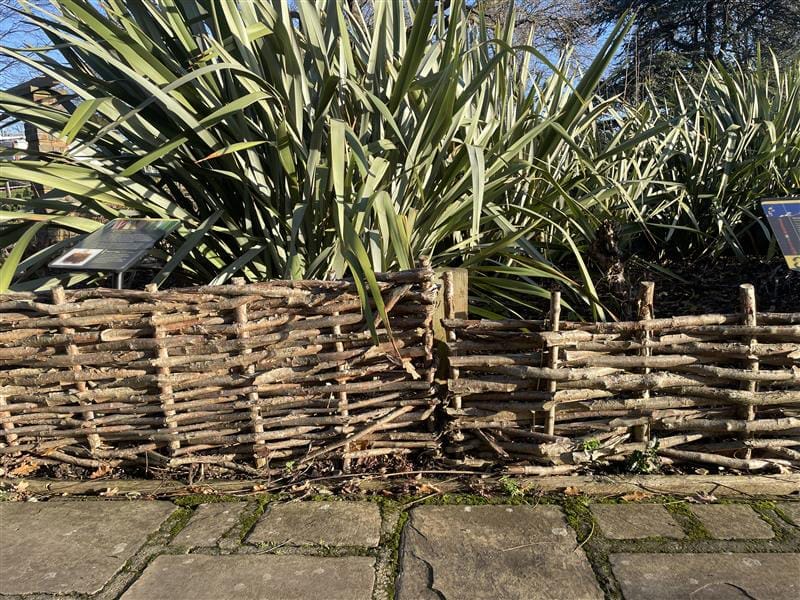
In the New Stone Age (Neolithic), people often built homes close to fresh water. ‘Wattle’ walls were woven from strong, bendy tree branches and covered with a mixture of mud, straw and dung, called ‘daub’. What other natural materials could you use to build a shelter?
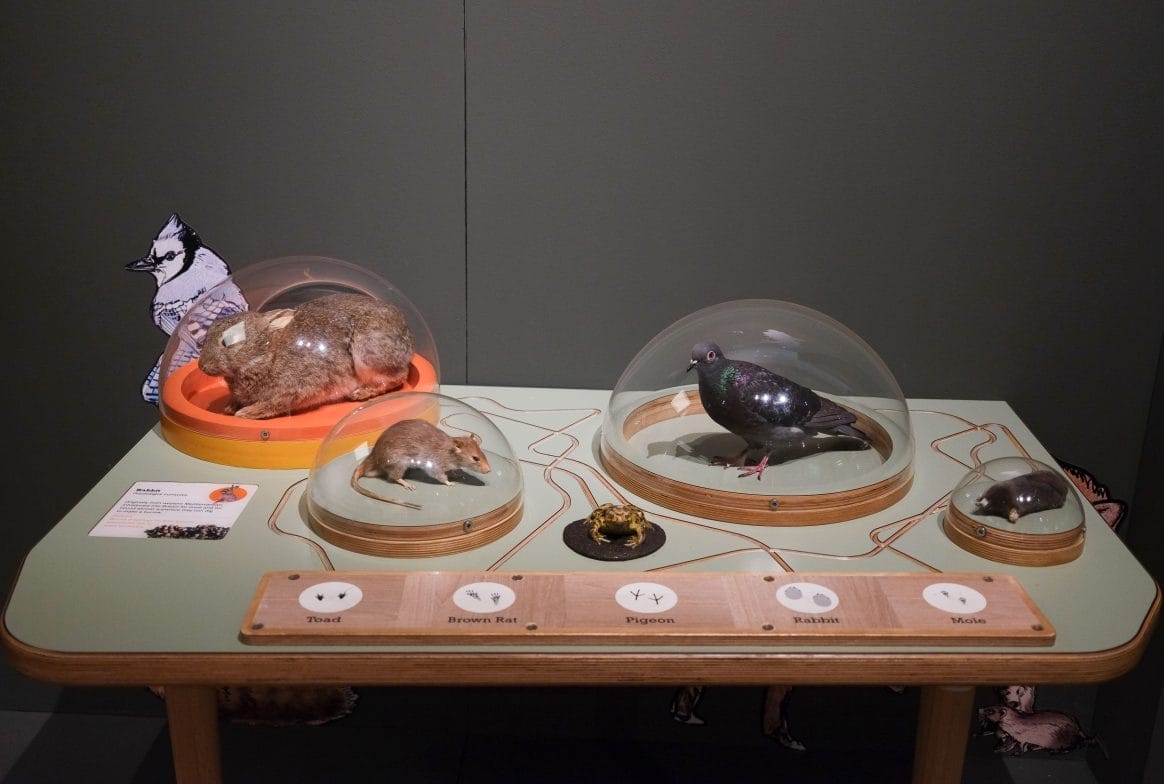
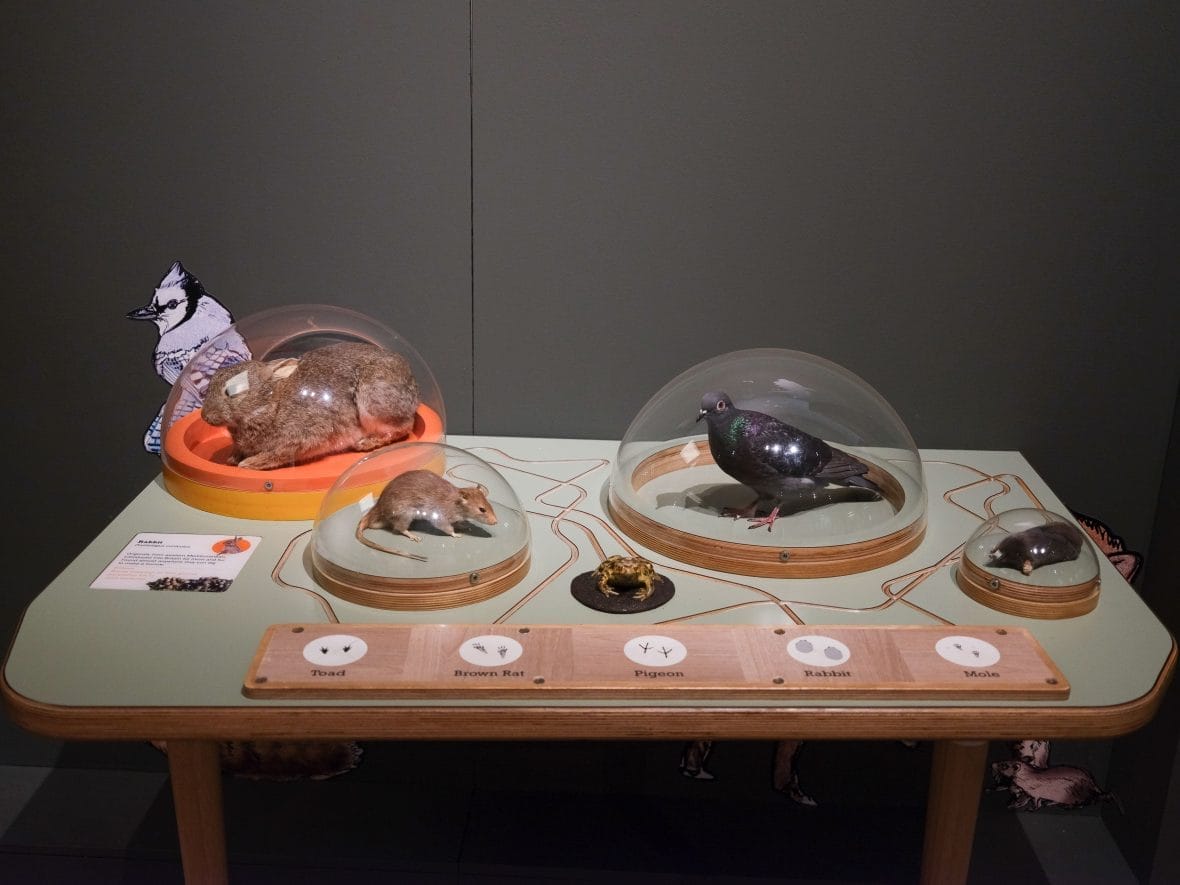
Mammals
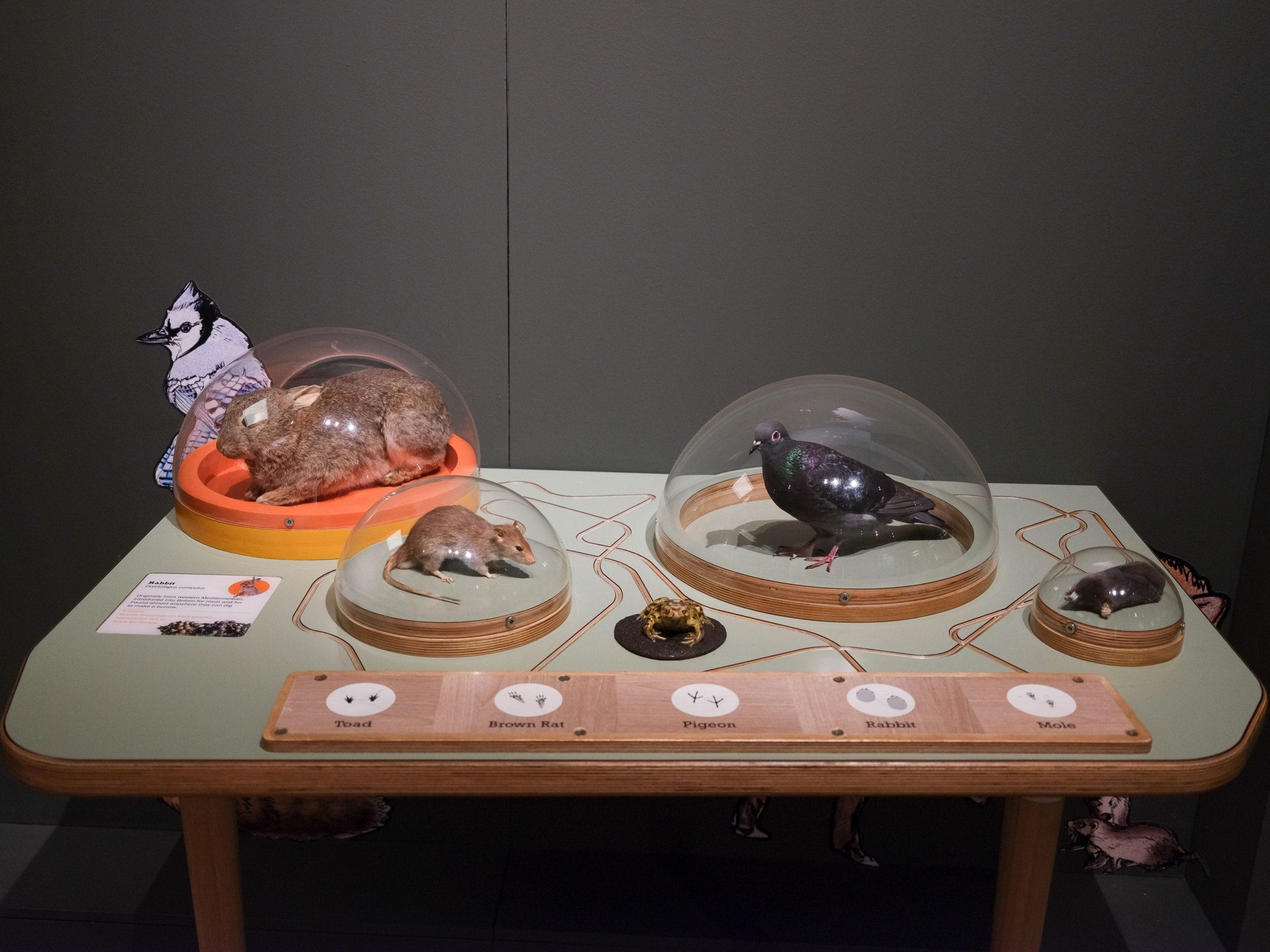
All these animals can be found in the wild in Britain today. In the Stone Age, animals were an important resource for humans. People relied on them for food, clothing and tools. People even used deer antlers as hammers for making and sharpening stone tools! How do we rely on animals today?
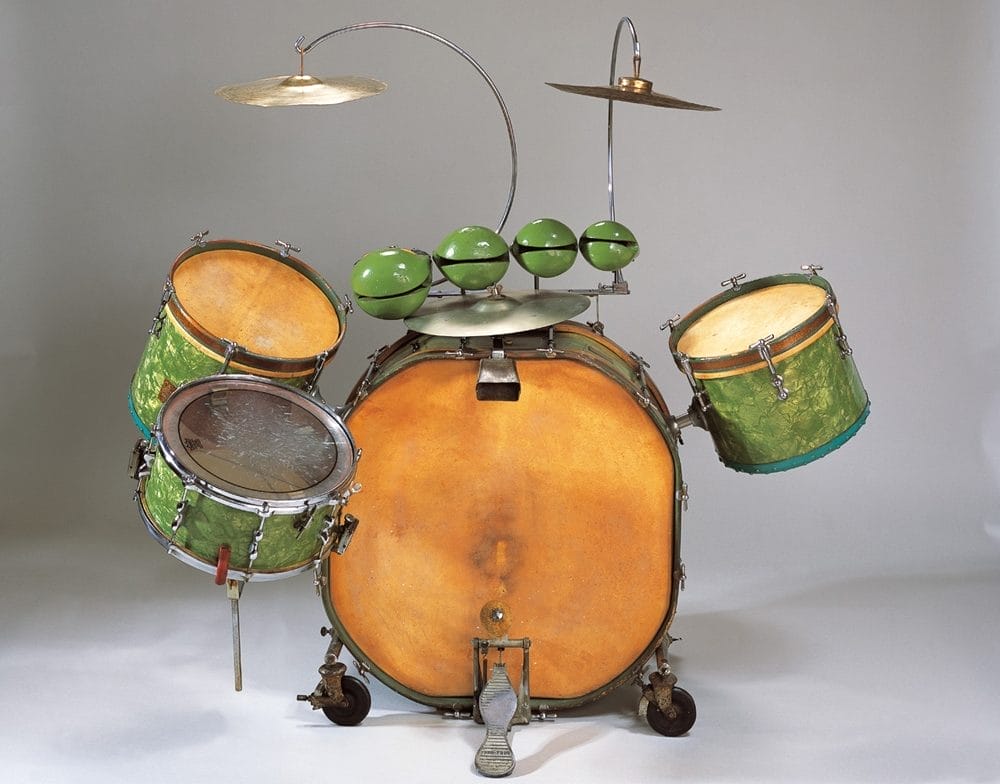
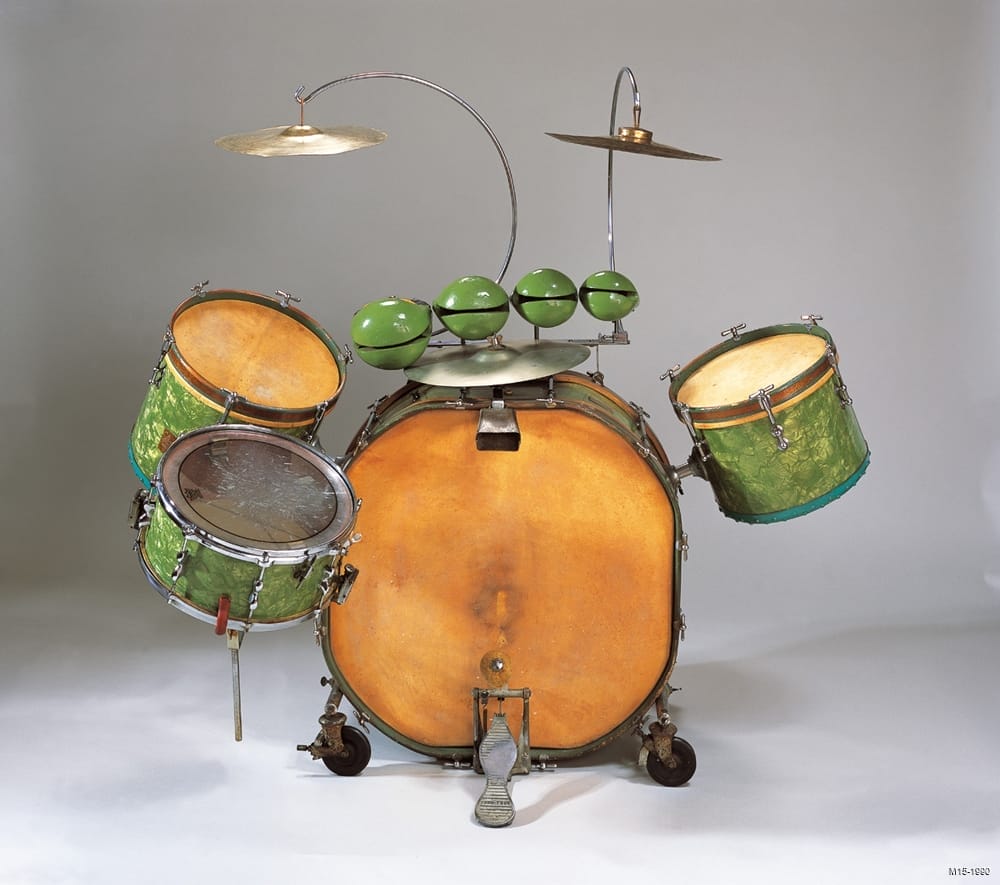
Animal hide
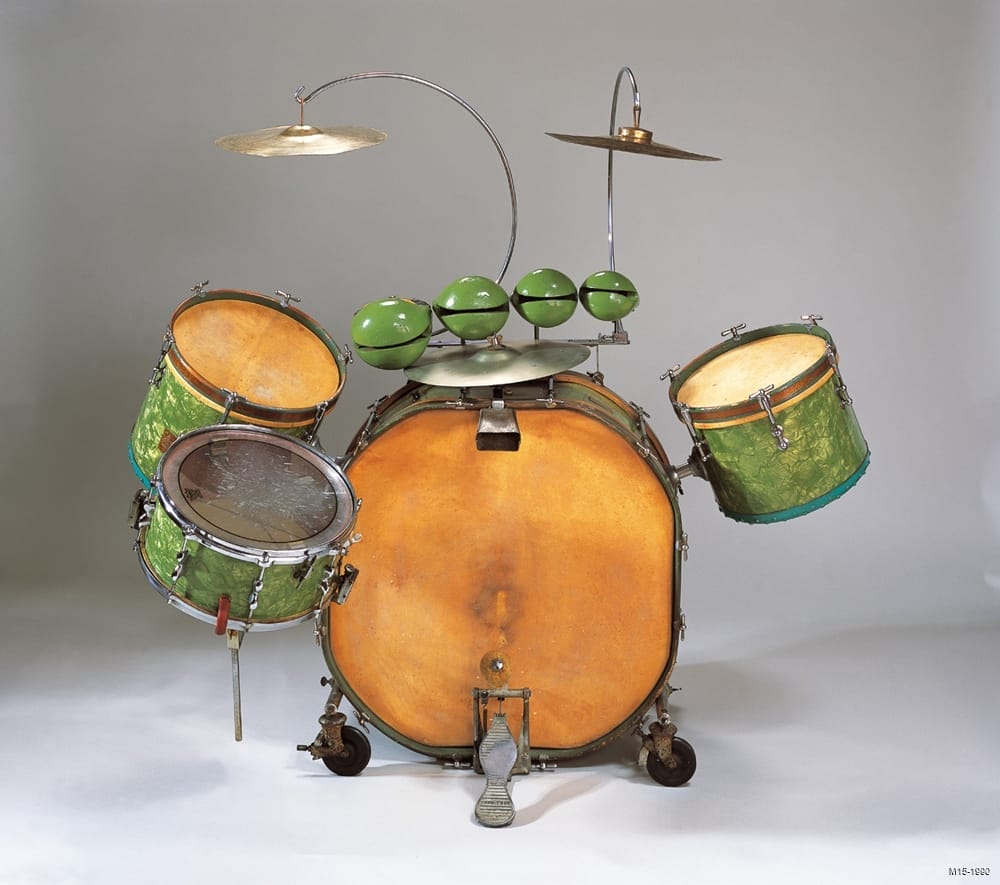
Farming gave people in the New Stone Age (Neolithic) even more resources. This included more animal skins, which were used in different ways. The stretched animal hide on this drum makes a noise when you hit it. What other instruments can you find that use natural resources?
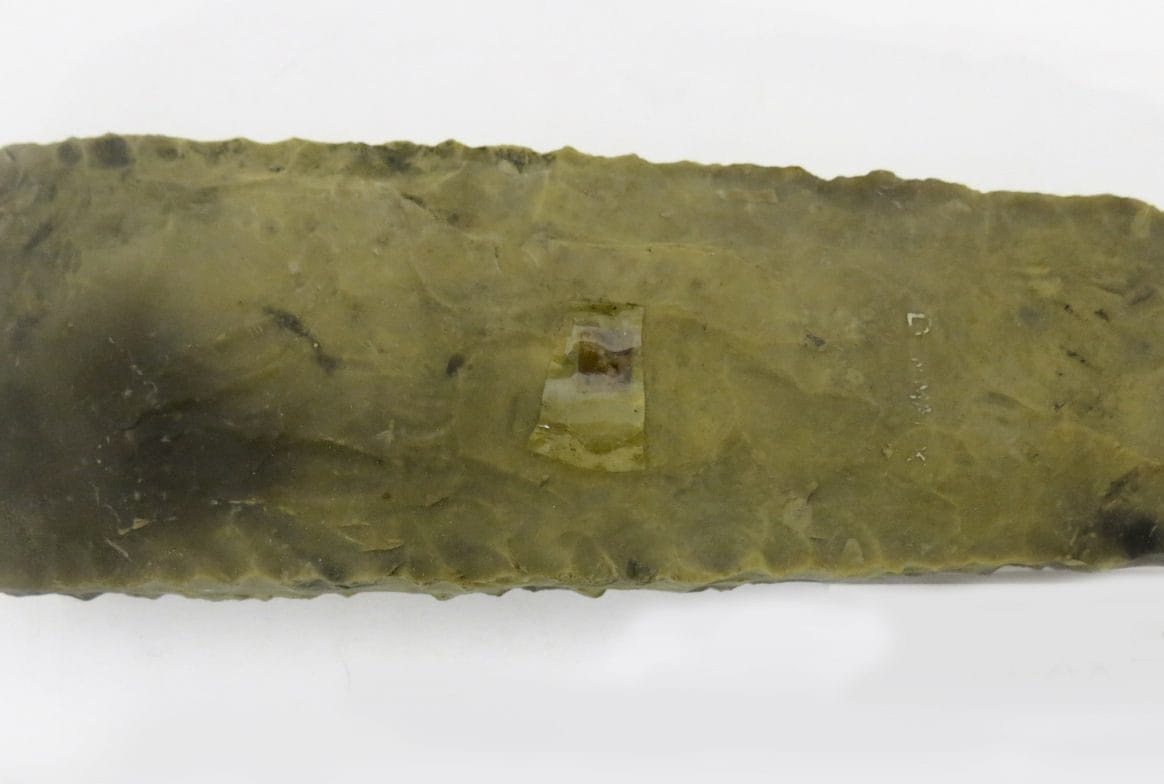
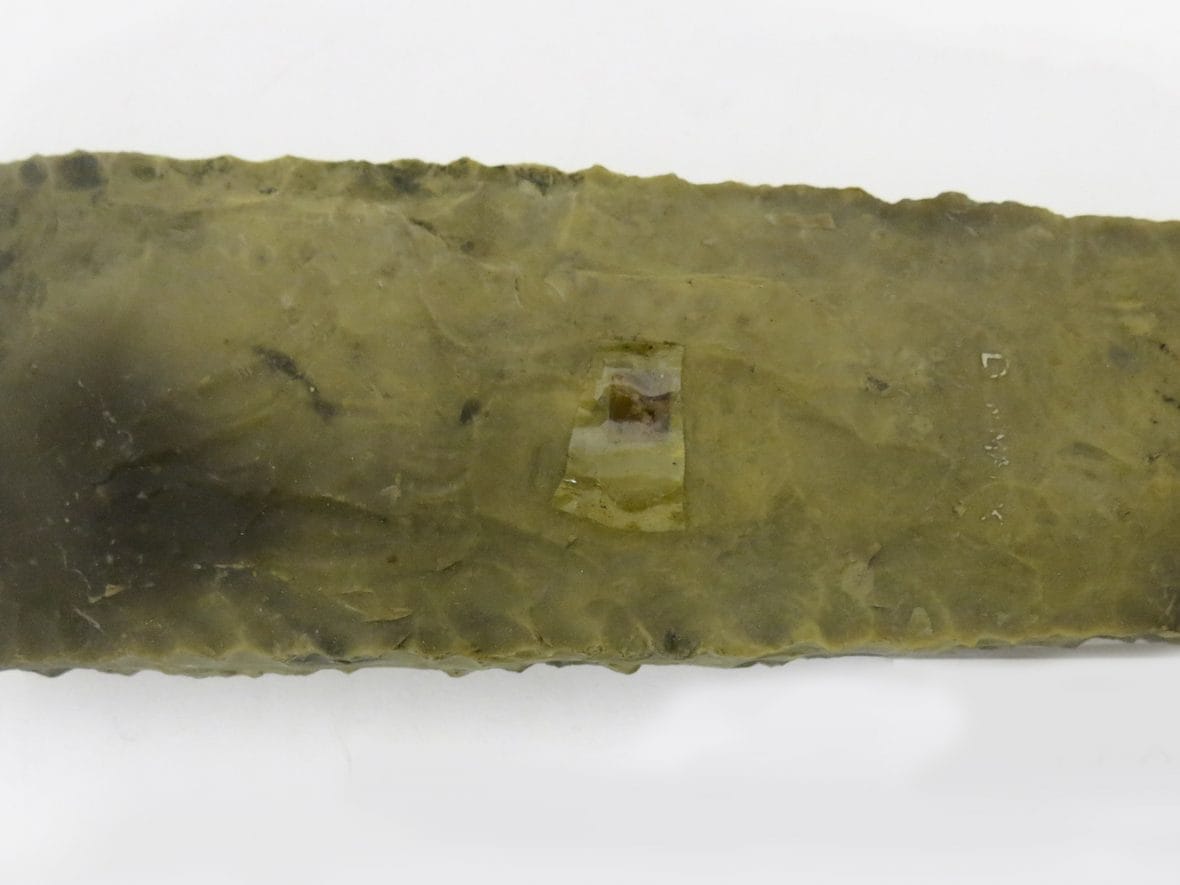
Axe head
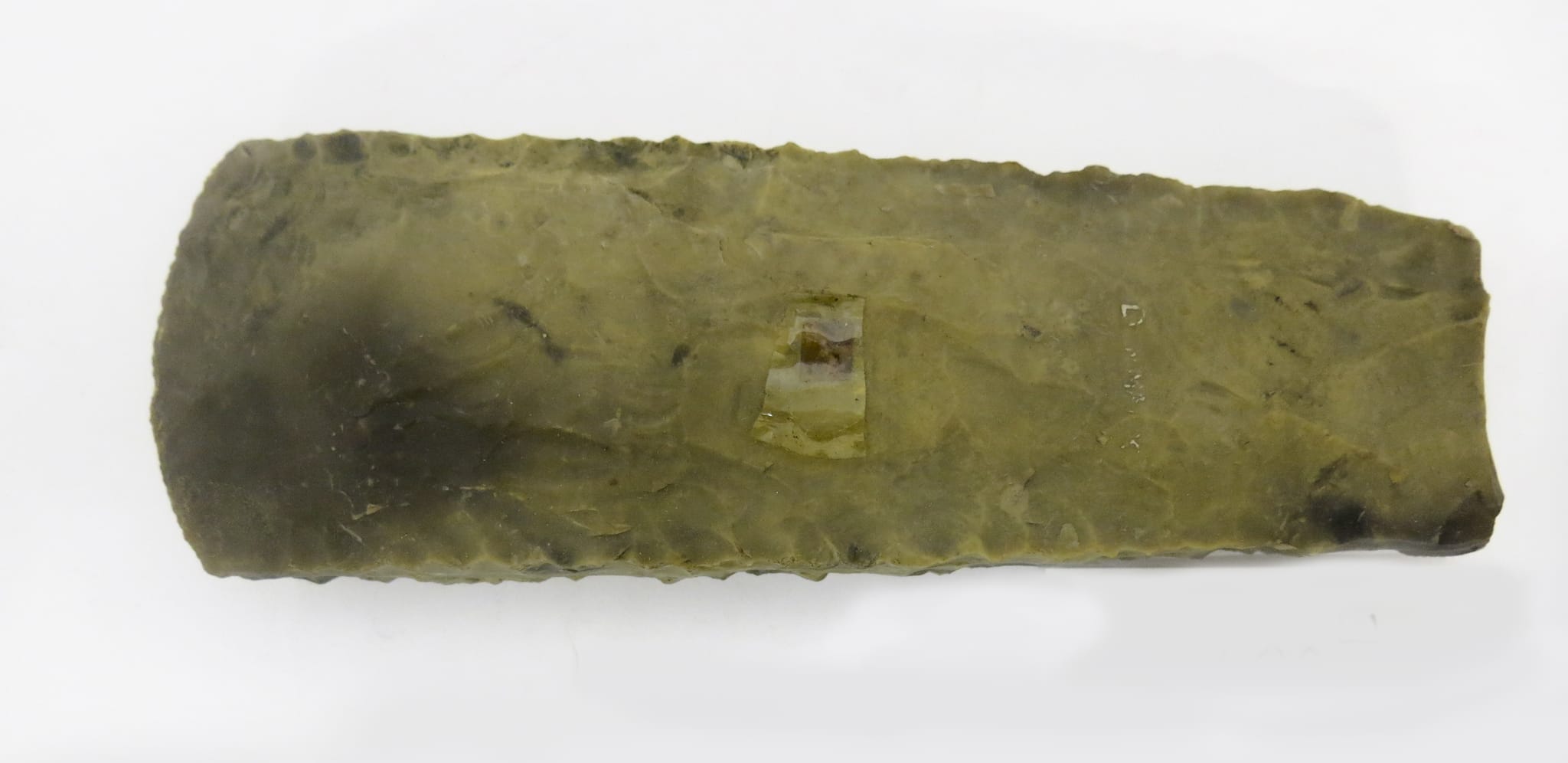
The shape of this Neolithic axe head was made by slowly and carefully chipping away at a big piece of flint. This process is called ‘knapping’. The finished axe head would then be fixed (hafted) to a handle. What may have happened to this axe head’s handle?
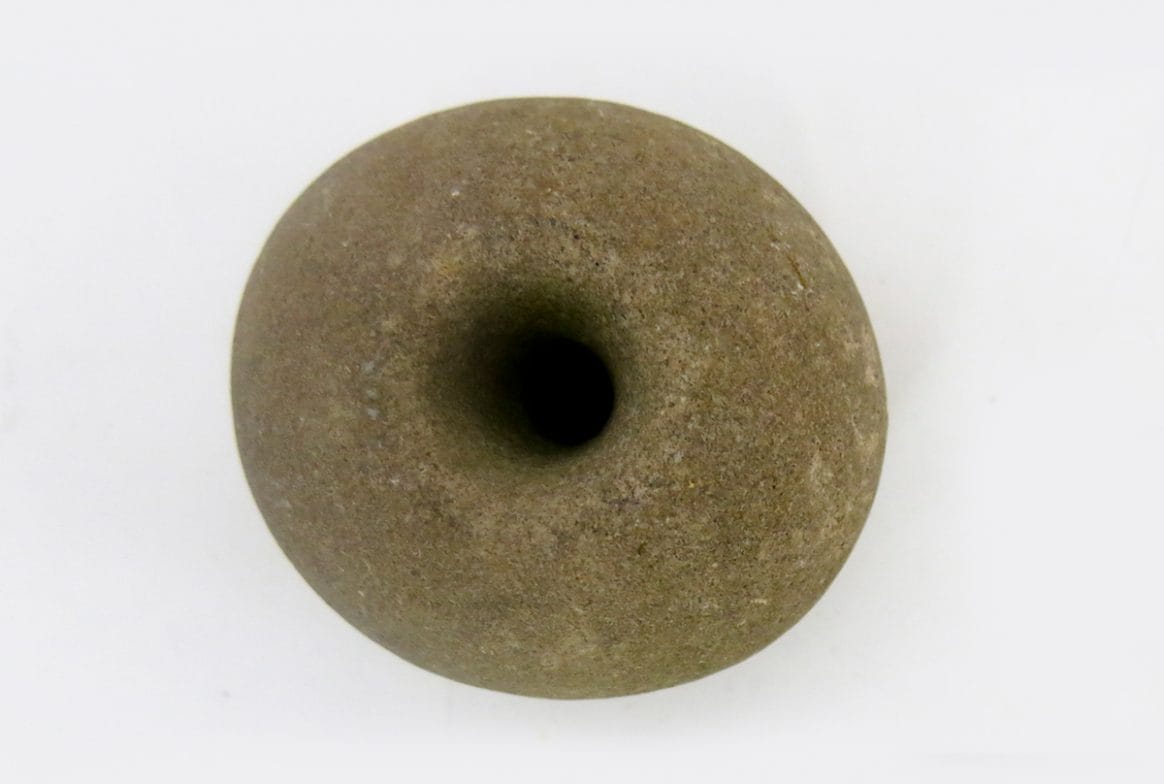
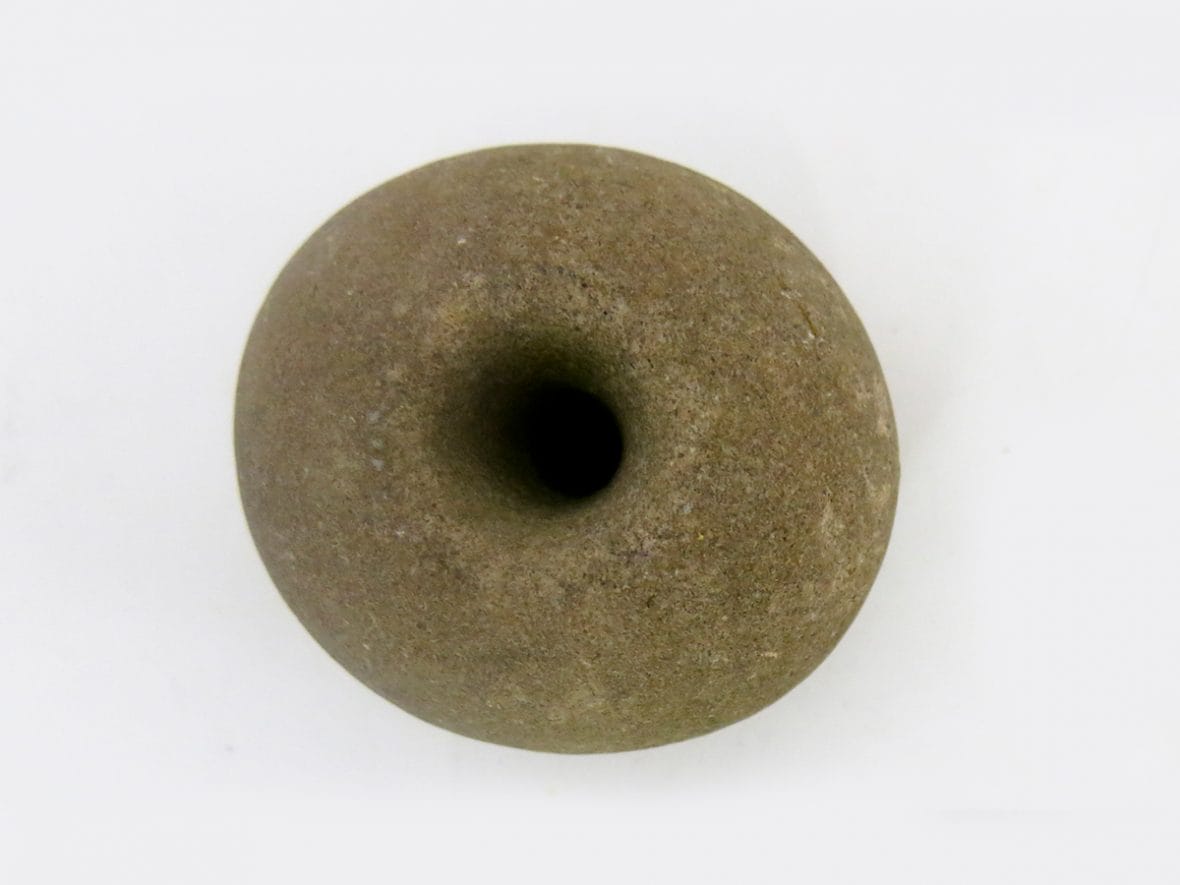
Loom weight
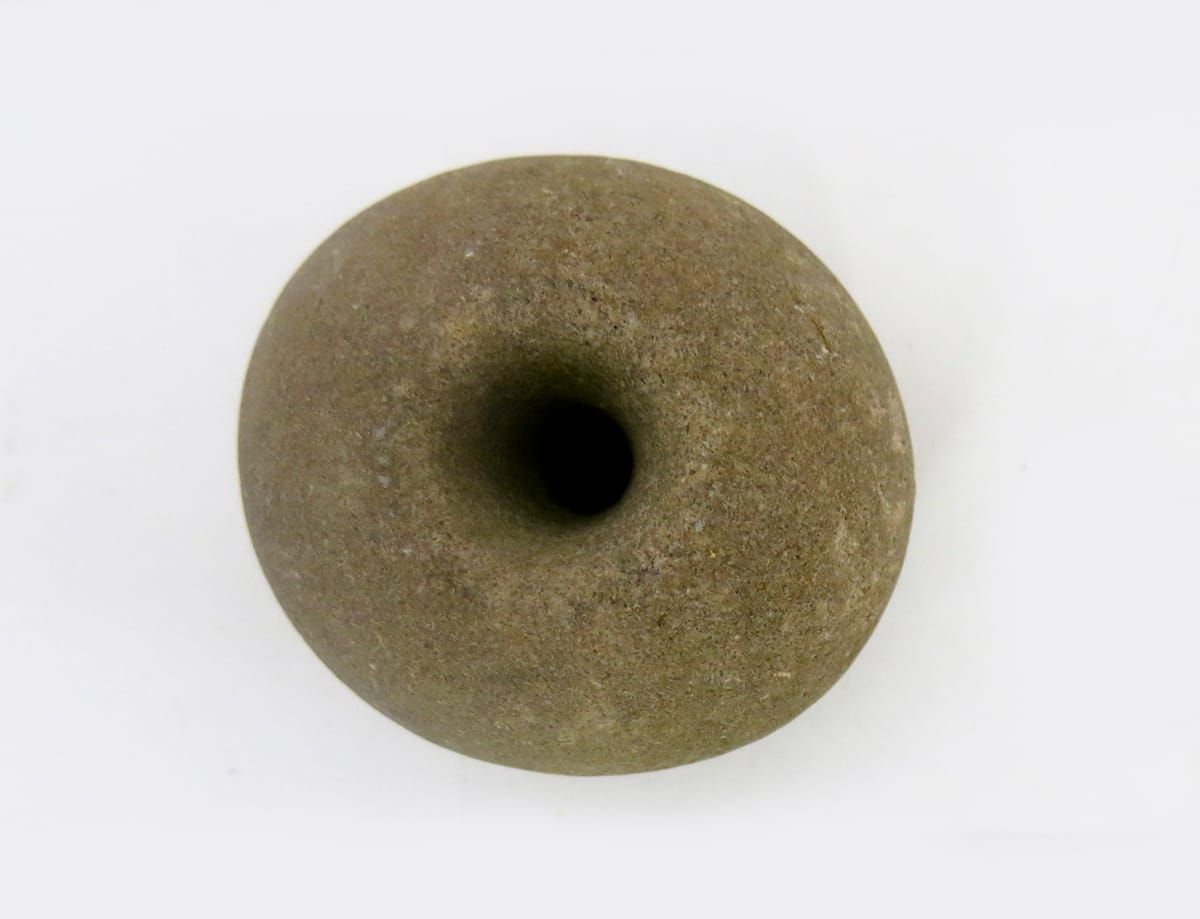
Neolithic people began making clothes from woven sheep’s wool. The wool was spun into threads that were woven together on a frame called a loom. These weights were tied to hanging threads to pull them tightly, making them easier to weave around. Do you have anything made of wool at home?
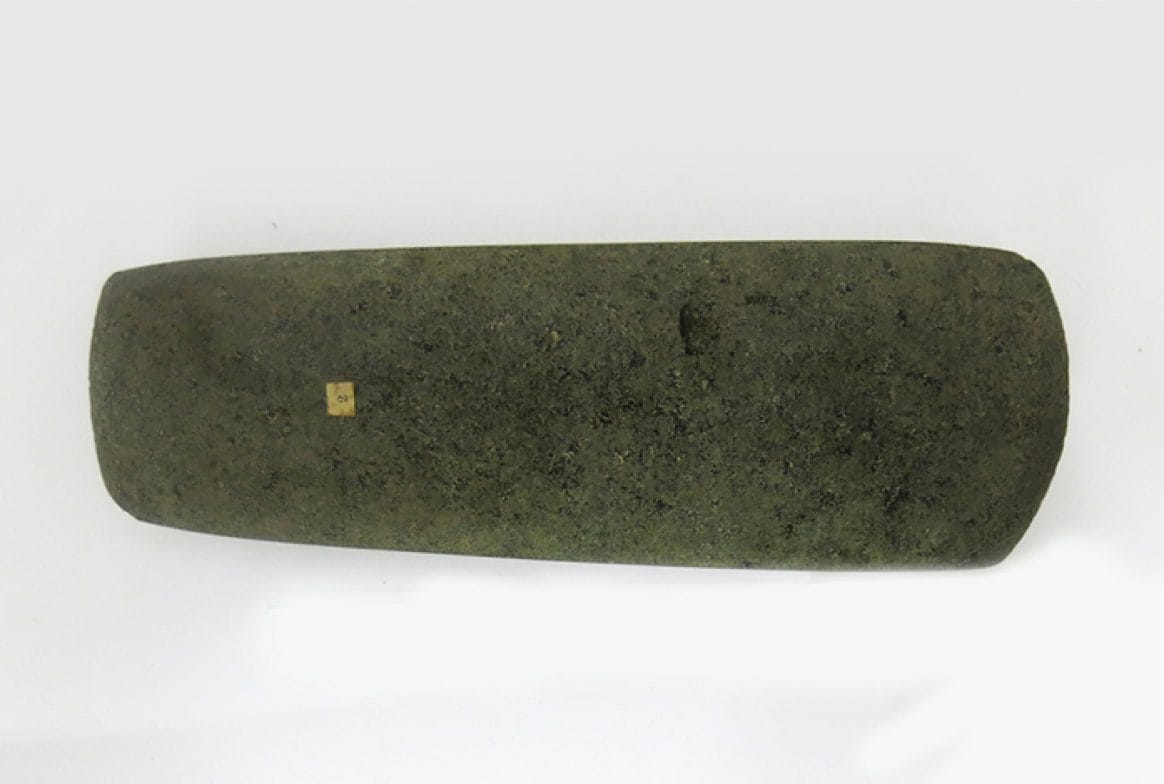
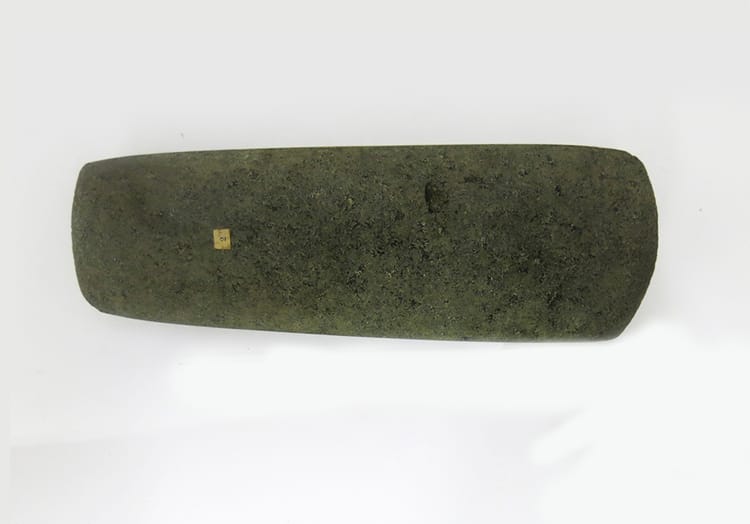
Bronze Age axe head
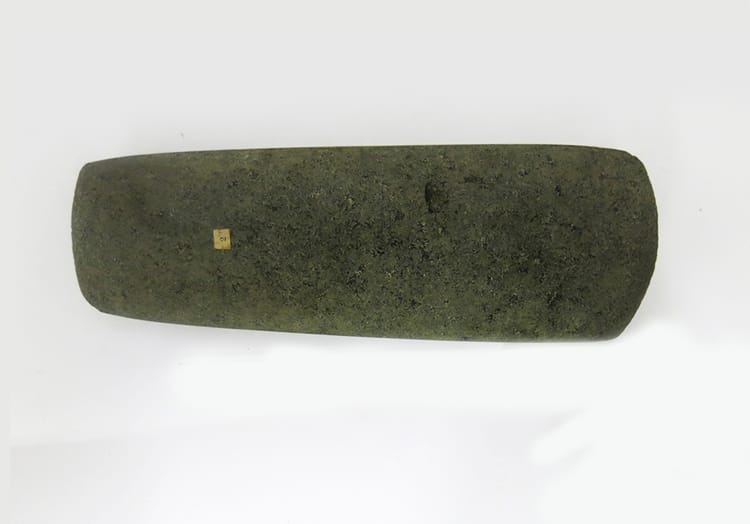
During the Bronze Age (c.2500 – 800BCE), people learnt to make tools from metal. They still made tools out of stone, though, like this stone axe that has been polished to make it smooth and strong. It would have taken about 100 hours to make this axe head. What have you made that took a long time?
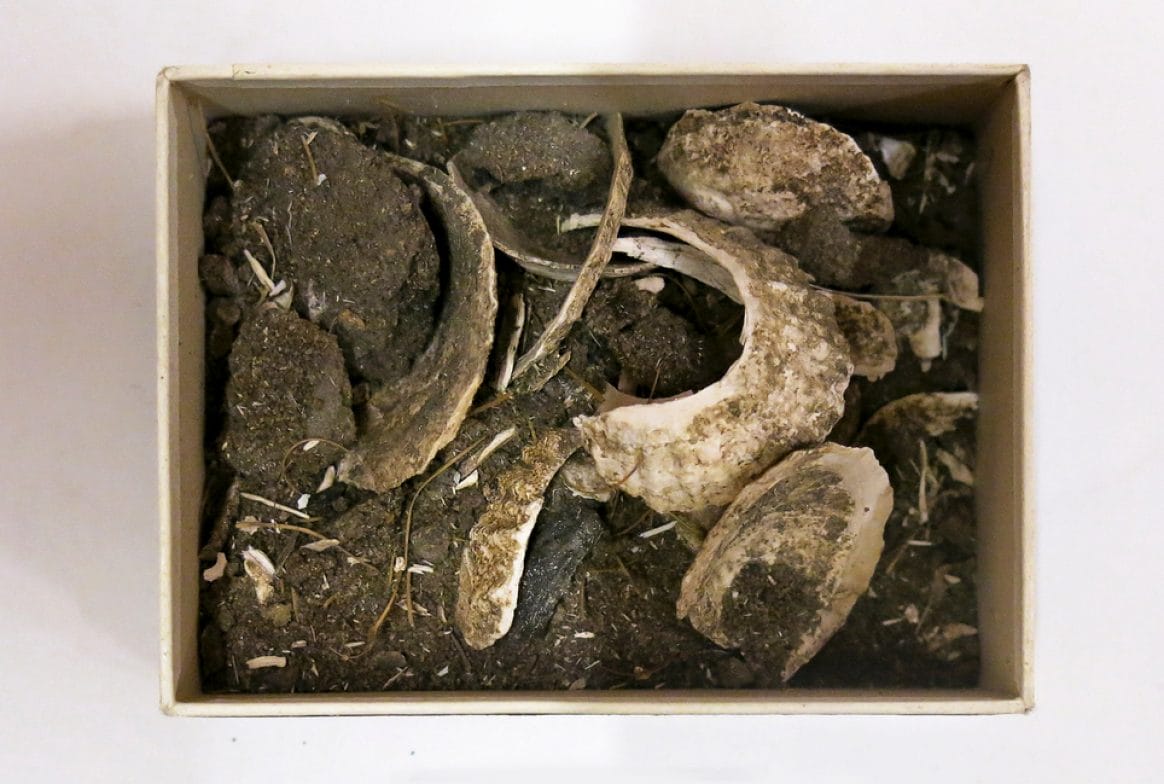
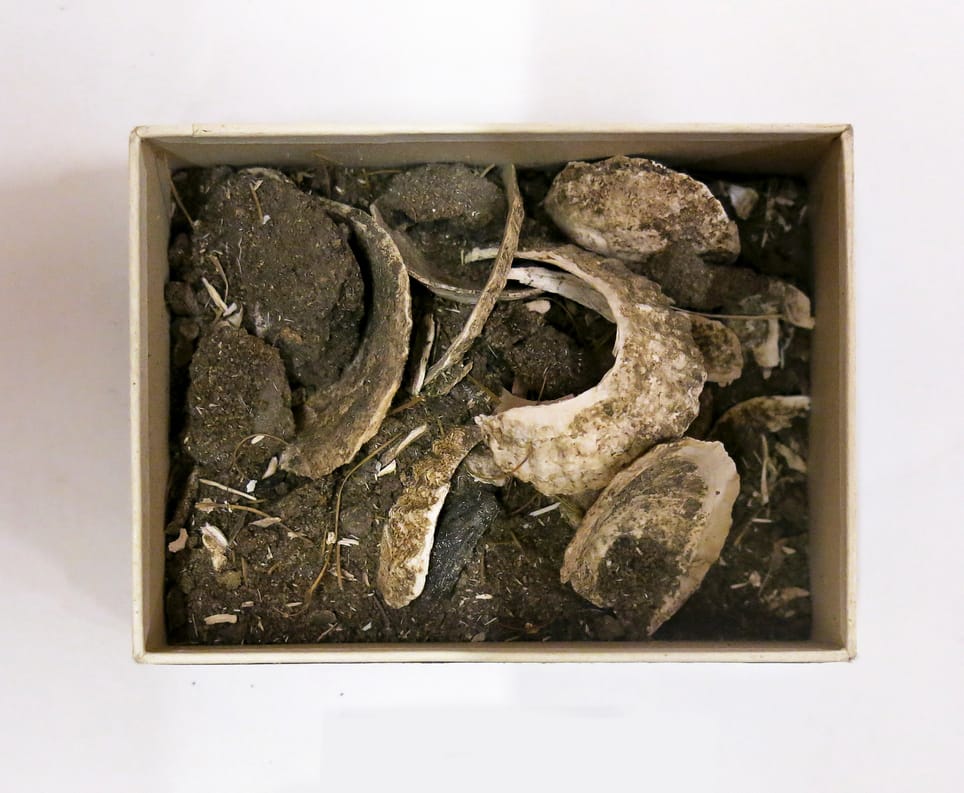
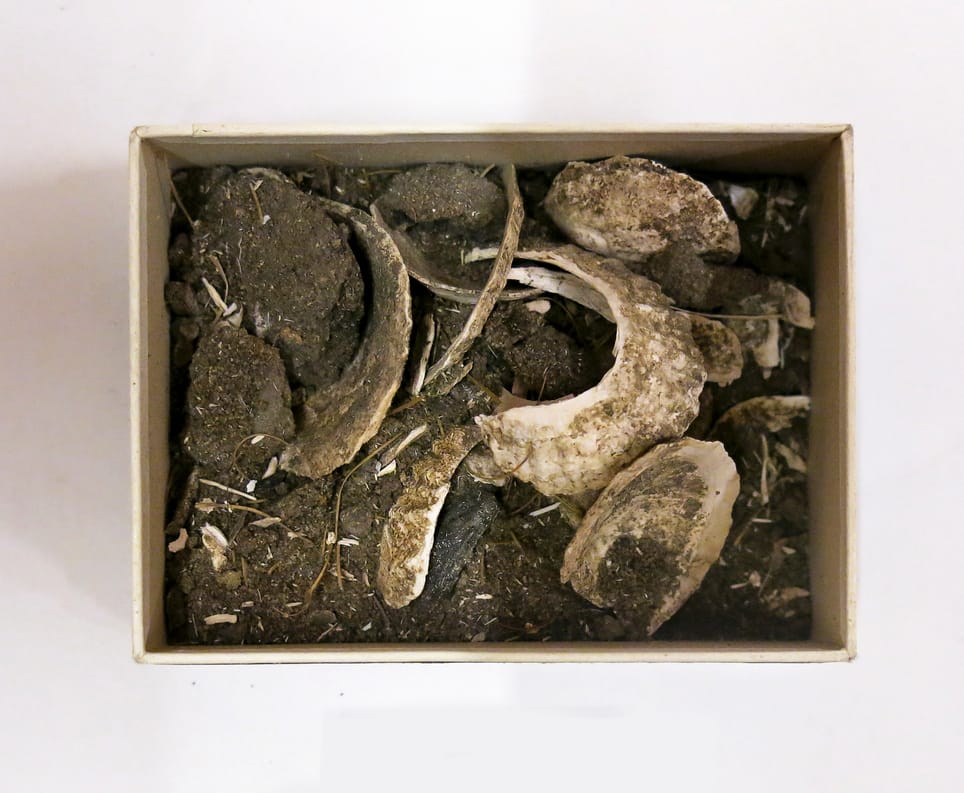
Limpet shells
These shells are evidence of a prehistoric dinner! Hunter-gatherers ate shellfish when they stayed by the sea. Animals’ shells, bones and teeth survive long after the meat has been eaten or rotted away. What survives from the food we eat today?
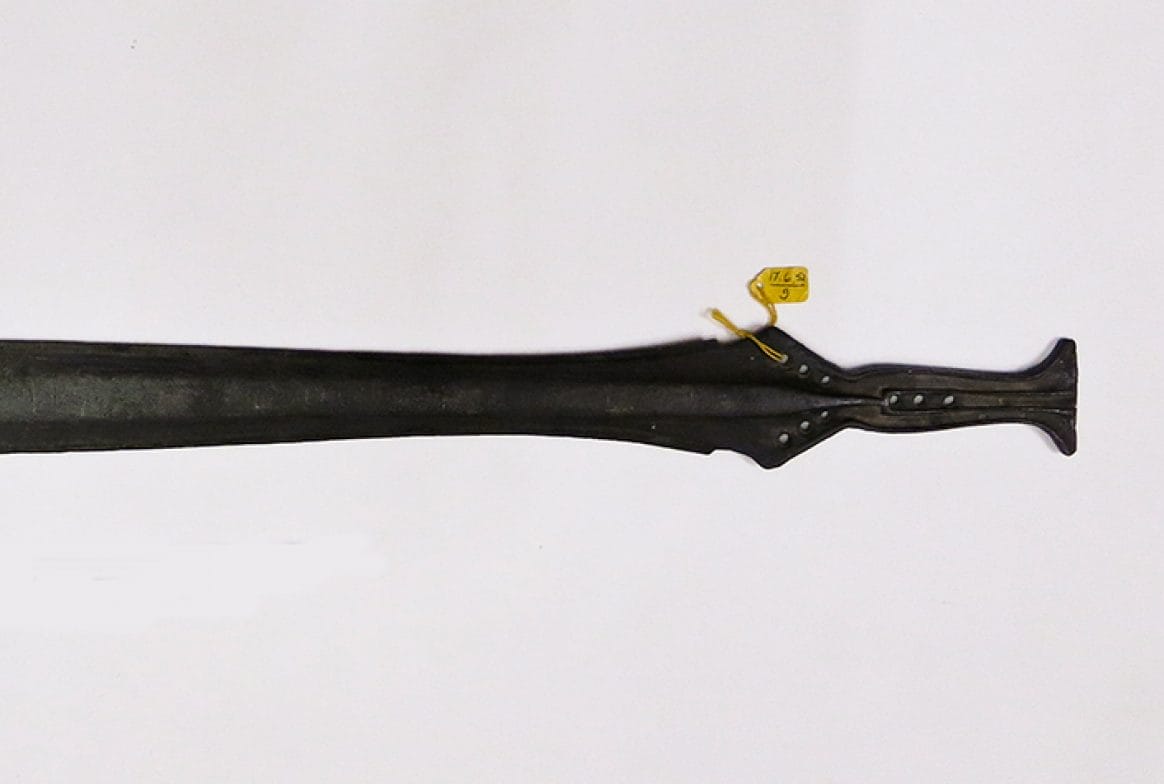
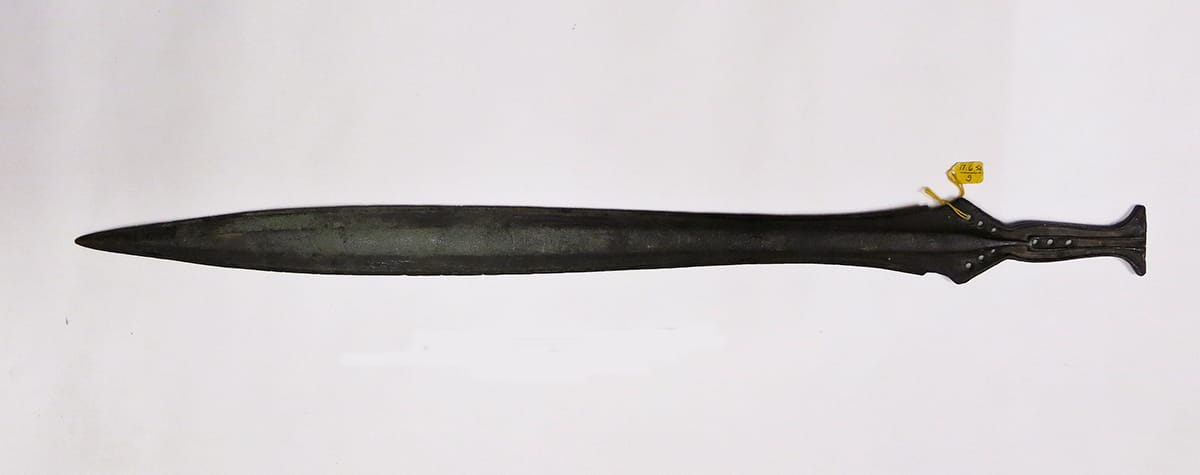
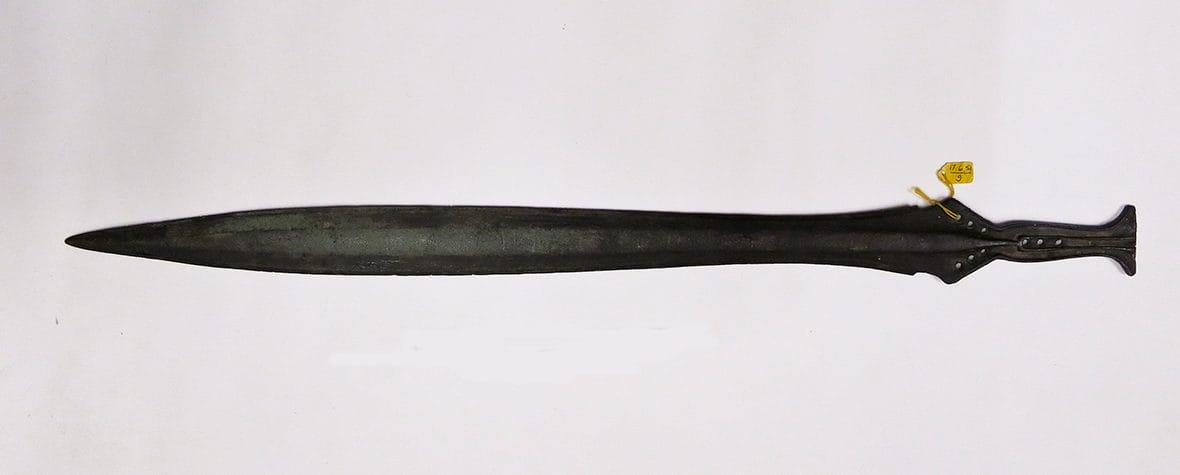
Bronze Age sword
This sword’s long, thin shape was made by filling a mould with hot, liquid bronze. People couldn’t make shapes like this from stone, and metal tools were sharper and longer lasting. Later, in the Iron Age (c.800BCE - AD50), iron was used to make even stronger tools and weapons.