


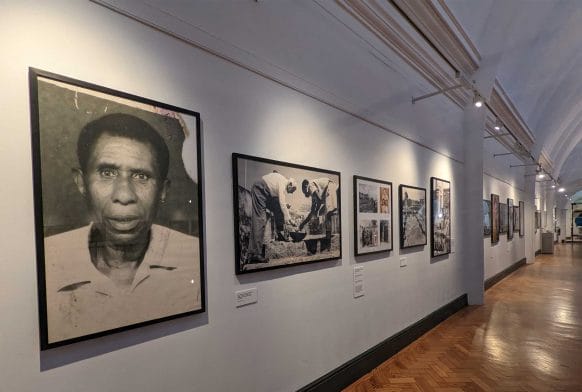
This collection comprises records created by the Brain family during their time in Sudan, between 1953-1959, Nigeria, between 1959 and 1969, and their stays in Paris, Britain and Zurich up to the 1980s. The collection was put together by the Brain family, largely Roger Brain and Audrey Brain, donated by their daughter, Lucy Dana in 2016.
The archives created in Sudan were made during Roger Brain’s tenure at the Faculty of Agriculture, University of Khartoum, much of it on fieldwork in the South where he was surveying local land use to inform future agricultural policy. The family left Nigeria in 1969 during the final years of the Biafran war, moving to Paris where Roger worked as an agricultural advisor for UNESCO.
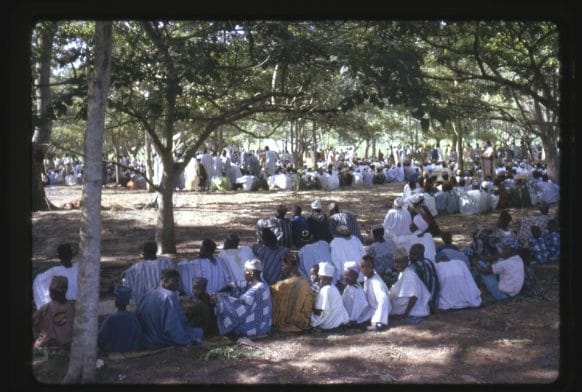
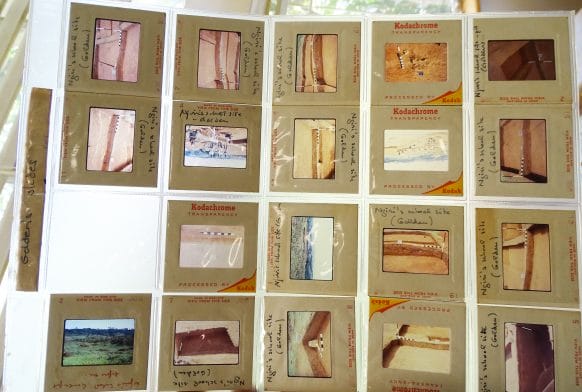
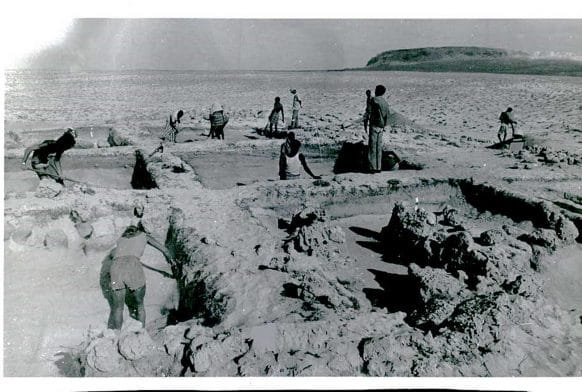
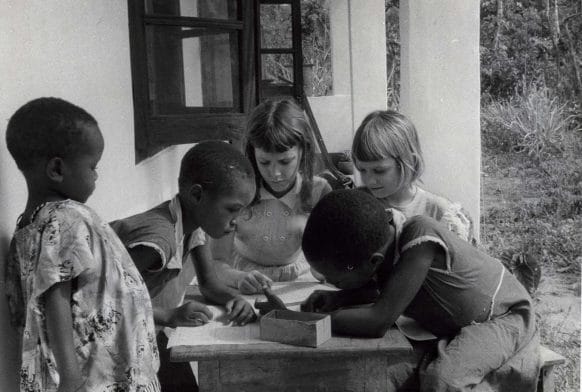
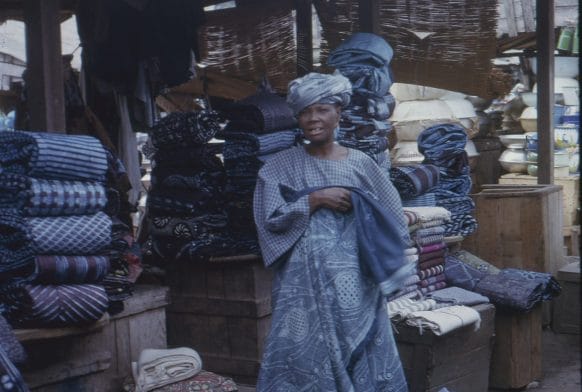
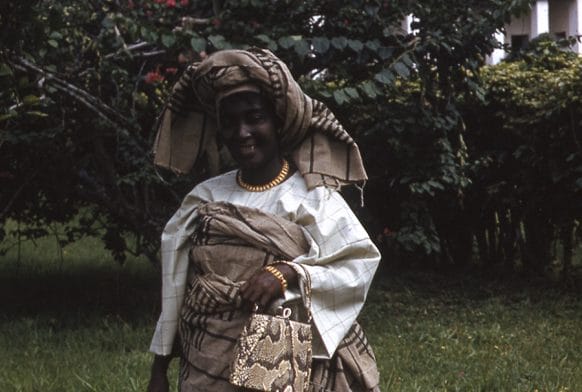
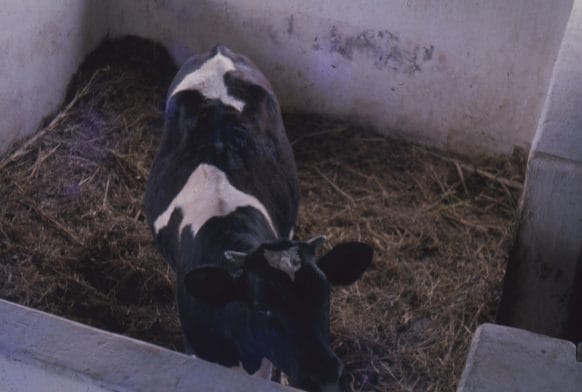
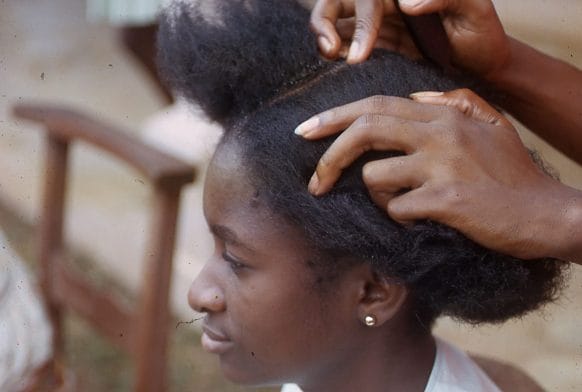
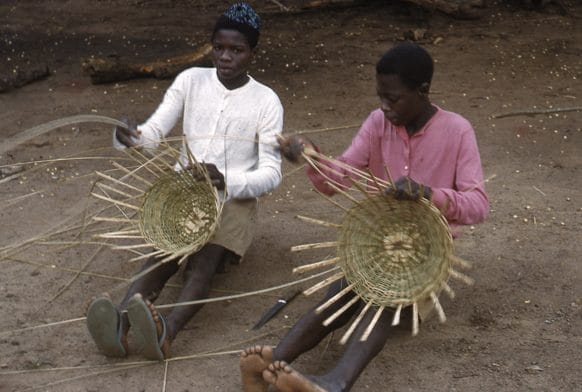
This collection was acquired at the same time as the objects proposed at the ADCM on 5th December 2018 (E1630). The photographs and footage are a visual record of the places the Brain family would have acquired these objects. The letters provide Roger Brain’s account of his views and experiences in Nigeria at this time.
The Brain family had a close relationship with field anthropologist Nancy Stanfield, who was based in Nigeria around the same time. Stanfield was commissioned by the Horniman Museum in 1966 to make a collection of the tools, materials and apparatus used in the crafts practised in the Western region of Nigeria. Objects collected by Stanfield are held in the permanent collection and her photographs and sketches are held in the Museum’s archive.
Roger and Audrey Brain Collection
Continue exploring archive
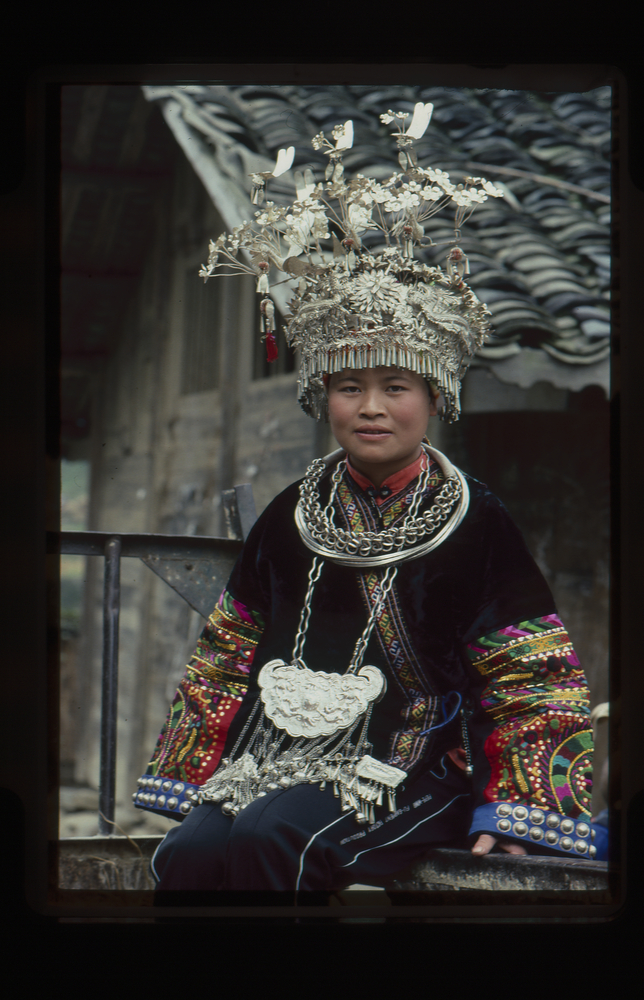
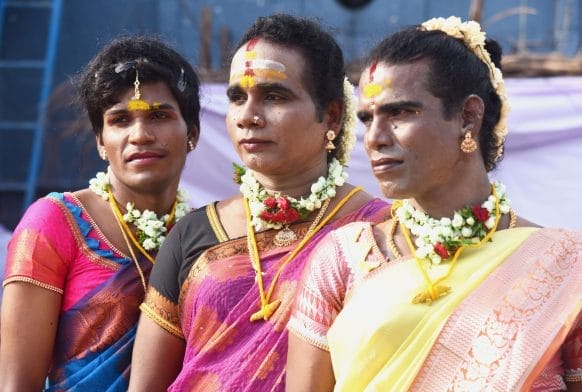
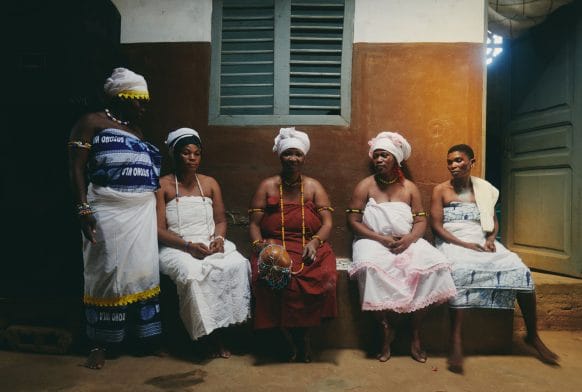
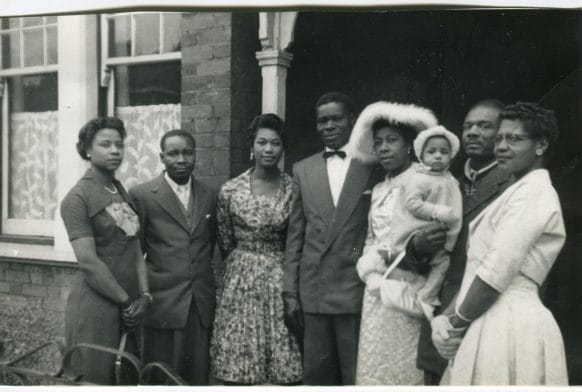
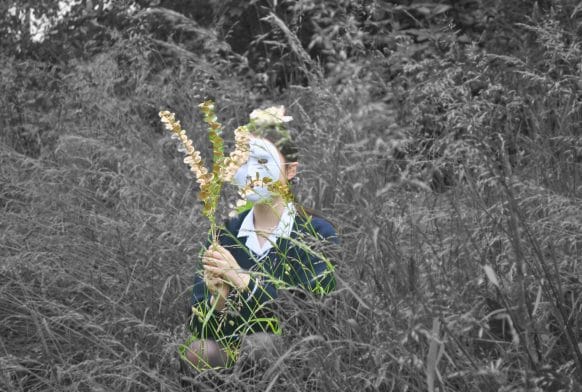
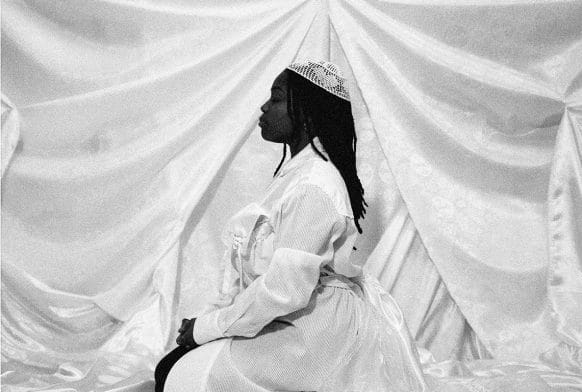
35mm slide: Bride, as above. Medium shot
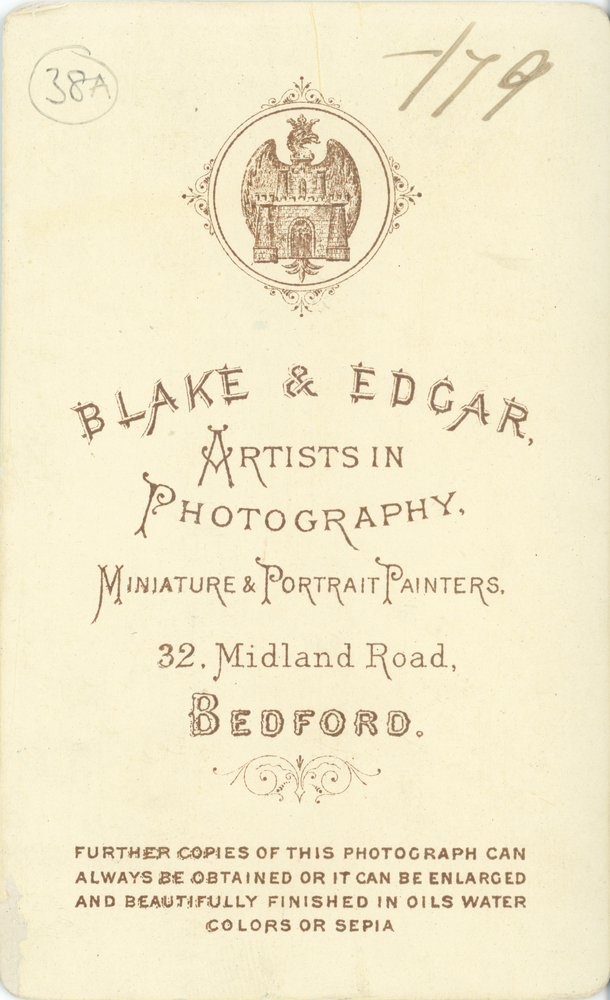
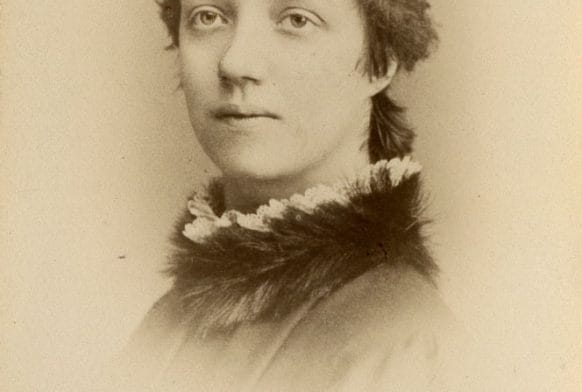
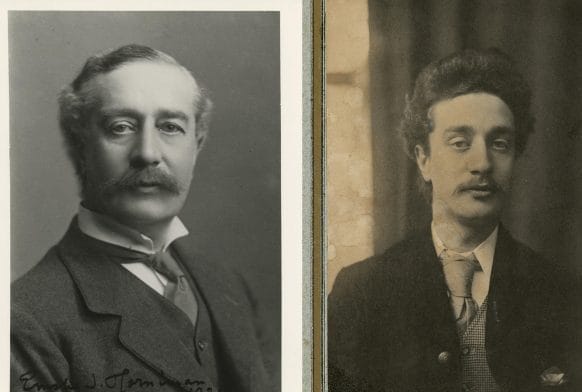
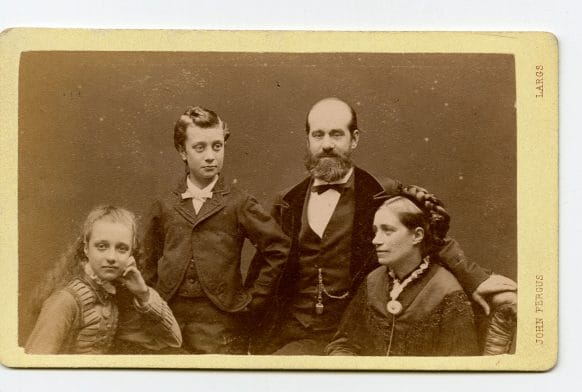
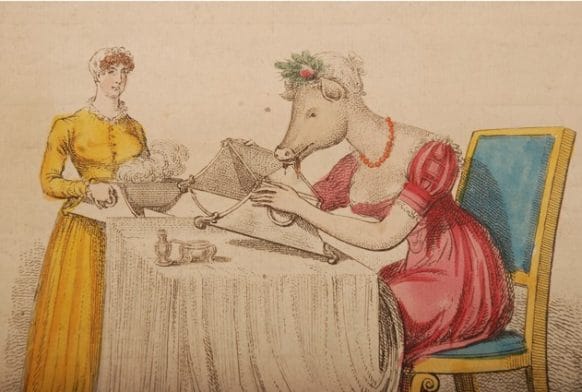
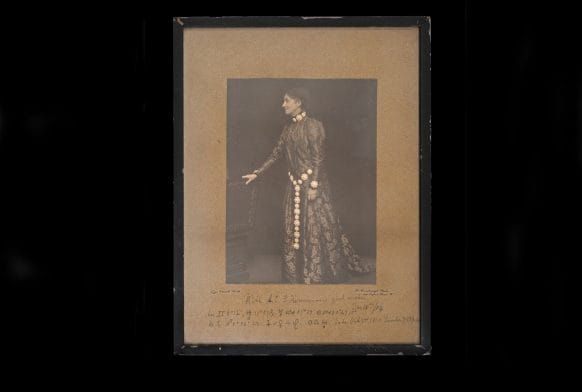
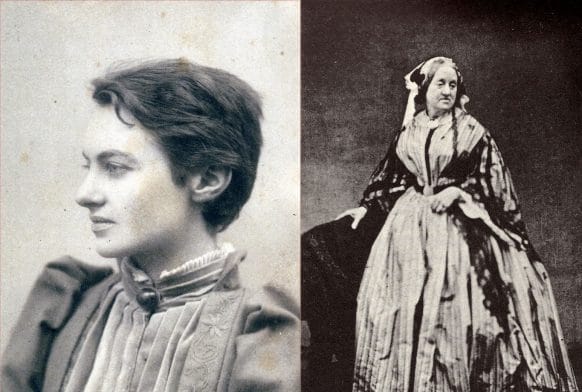
Carte de visite featuring a photograph of an unknown woman
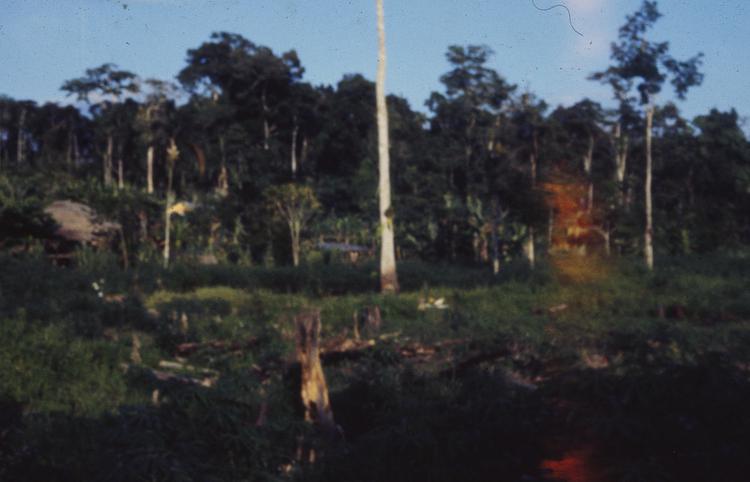
Amazon Marañon Columbia village nr Leticia pm (25/1)
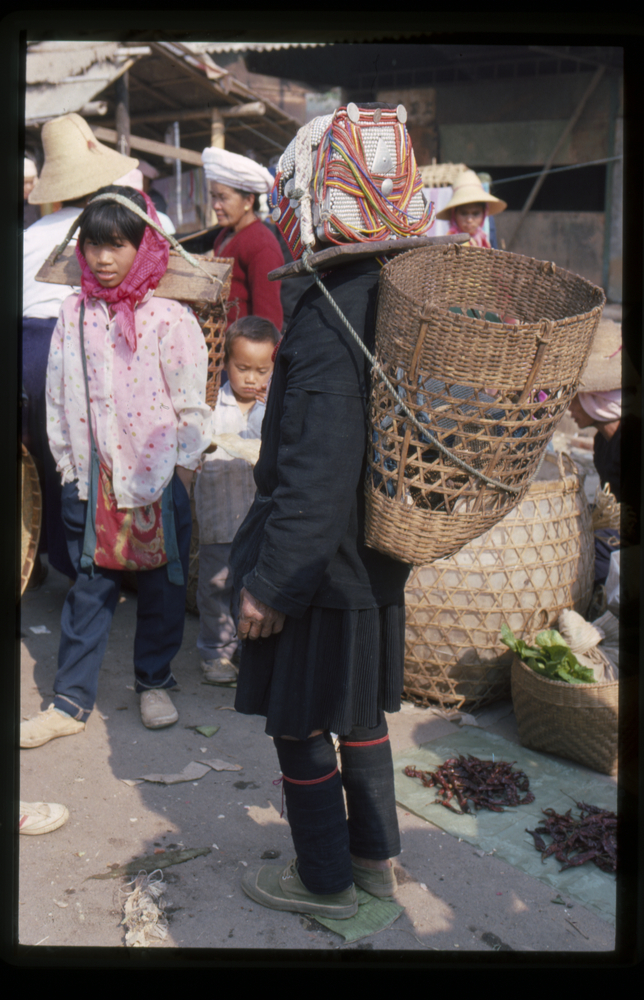
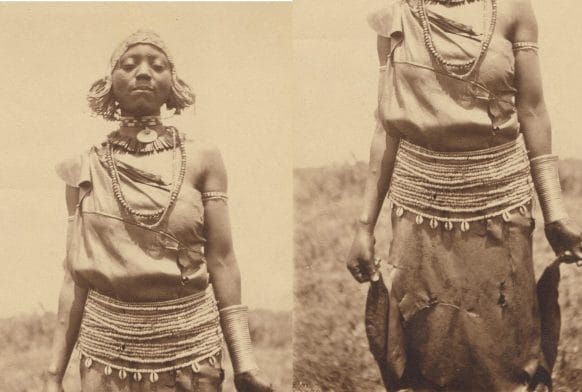
Ake woman with back basket. April 6th.
Featured





















































































































































Collection Information
These objects are only a part of our collections, of which there are more than 350,000 objects. This information comes from our collections database. Some of this is incomplete and there may be errors. This part of the website is also still under construction, so there may be some fields repeated or incorrectly formatted information.
The database retains language taken from historical documents to help research. Please note that some records may feature language and reflect systems of thinking that are outdated and offensive. The database also includes information on objects that are considered secret or sacred by some communities.
If you have any further information about objects in our collections, can suggest corrections to our information or if you see content requiring immediate action, please contact us: enquiry@horniman.ac.uk